Wellness 16th December 2025 by Aicha Chalouche
Understanding Gastroschisis: The Abdominal Birth Condition
"We knew there would be complications"
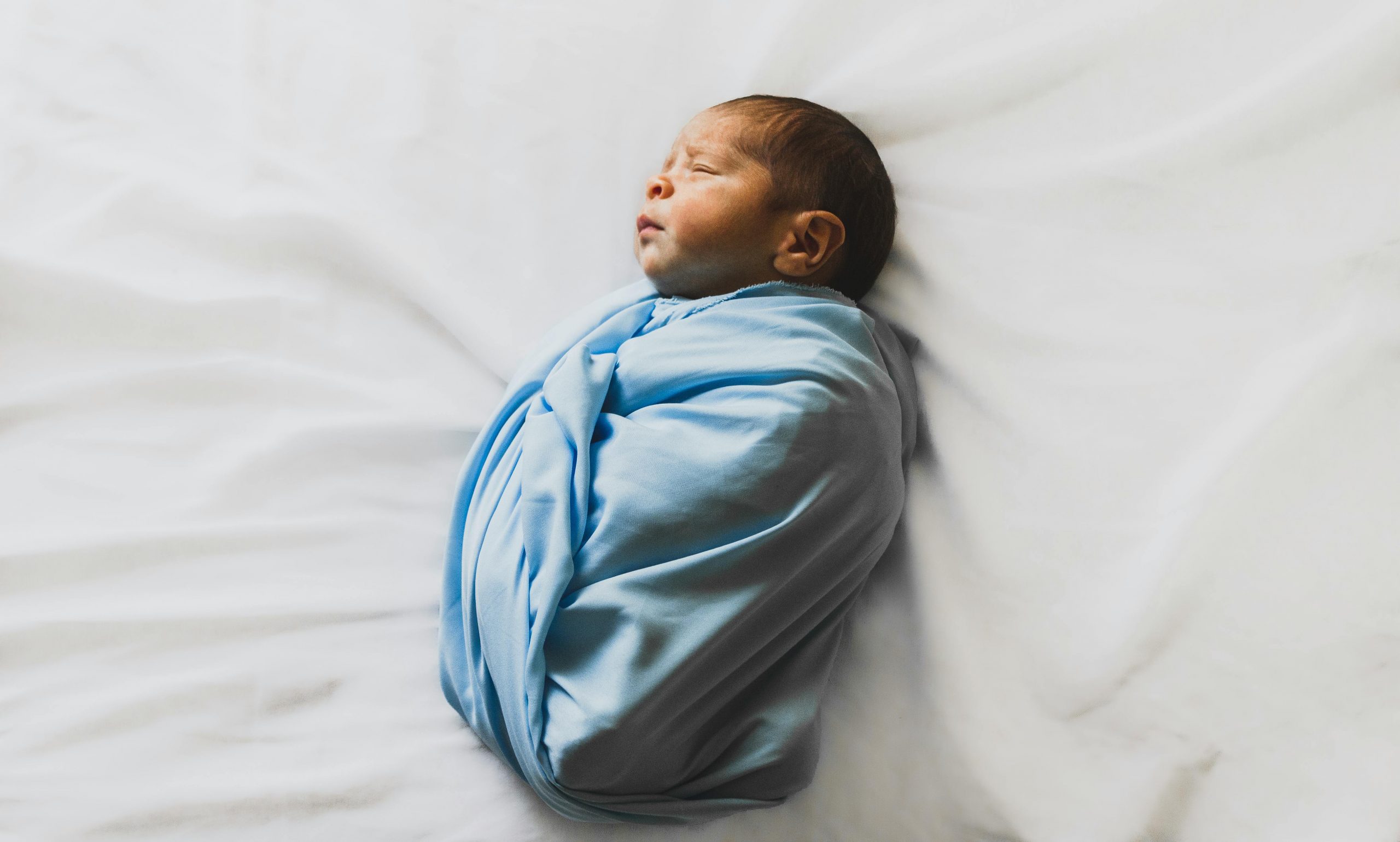
via Pexels
This weekend, Johnny ‘Smacks’ McMahon from The Two Johnnies announced to fans that he and his wife Annie had just welcomed a baby boy into their world.
In an emotional post on the comedy duo’s Instagram, Johnny shared that he was ‘officially a dad’, and wrote: “It’s been a whirlwind, but the best kind. From early in the pregnancy, we knew there would be complications, and when JJ was born he was diagnosed with gastroschisis.”
“He needed a couple of operations straight away, and he’ll be in hospital for a while yet, but he’s already shown unbelievable fight.”
The comedian also shared his gratitude towards the staff at Children’s Health Ireland in Crumlin for the care his son and family have received so far.
“The care, support and kindness they’ve shown us has been outstanding, and we’ll never be able to thank them enough,” he said.
The comedian continued on to praise his wife Annie, who he married in 2022, for her strength through the whole journey.
“She’s been incredible throughout everything – strong, calm and absolutely heroic. JJ is lucky to have her as his mam.”
View this post on Instagram
Gastroschisis is a birth defect where a baby’s organs (typically their intestines) protrude out of their body through a small hole near their belly button during fetal development. This defect can occur during early stages of pregnancy if the baby’s abdominal wall doesn’t fully develop. While in the womb, these organs float around in amniotic fluid, which can cause them to become irritated and swell.
Once a baby with gastroschisis is born, they undergo immediate surgery to replace the organs back inside their body. Gastroschisis has an extremely high survival rate, but treatment depends on how complicated the baby’s condition is. Ideally, a baby will receive surgery immediately after they are born to move their organs back into their body and fix the hole in their abdomen.
However, if a baby isn’t healthy enough for an operation, or if their abdomen is still not big enough to hold all of their organs, they will probably undergo staged repair, where surgeons will perform any necessary operations gradually in stages.
In all cases, the baby’s organs are protected in between surgeries by a plastic pouch called a silo which will prevent infection, damage and dehydration.
In some cases, a baby might suffer other conditions as a byproduct of gastroschisis, mainly around their intestines and bowels. Conditions such as intestinal blockage and short bowel syndrome might accompany gastroschisis, and will require additional surgeries and treatments to repair.
Right now, there is no known direct cause for gastroschisis. It is not a hereditary condition. Some studies done by the Centers for Disease Control and Prevention suggest that the defect might be more common in younger people who are pregnant although more research needs to be done to confirm this.

 100vw, 1270px" />)
 100vw, 1462px" />)
 100vw, 2560px" />)
 100vw, 830px" />)
 100vw, 1420px" />)