Trending 11th February 2026 by Jade Hayden
Wuthering Heights Review: Not Fully Fennell… Or At All Feral
The film lands in cinemas this weekend
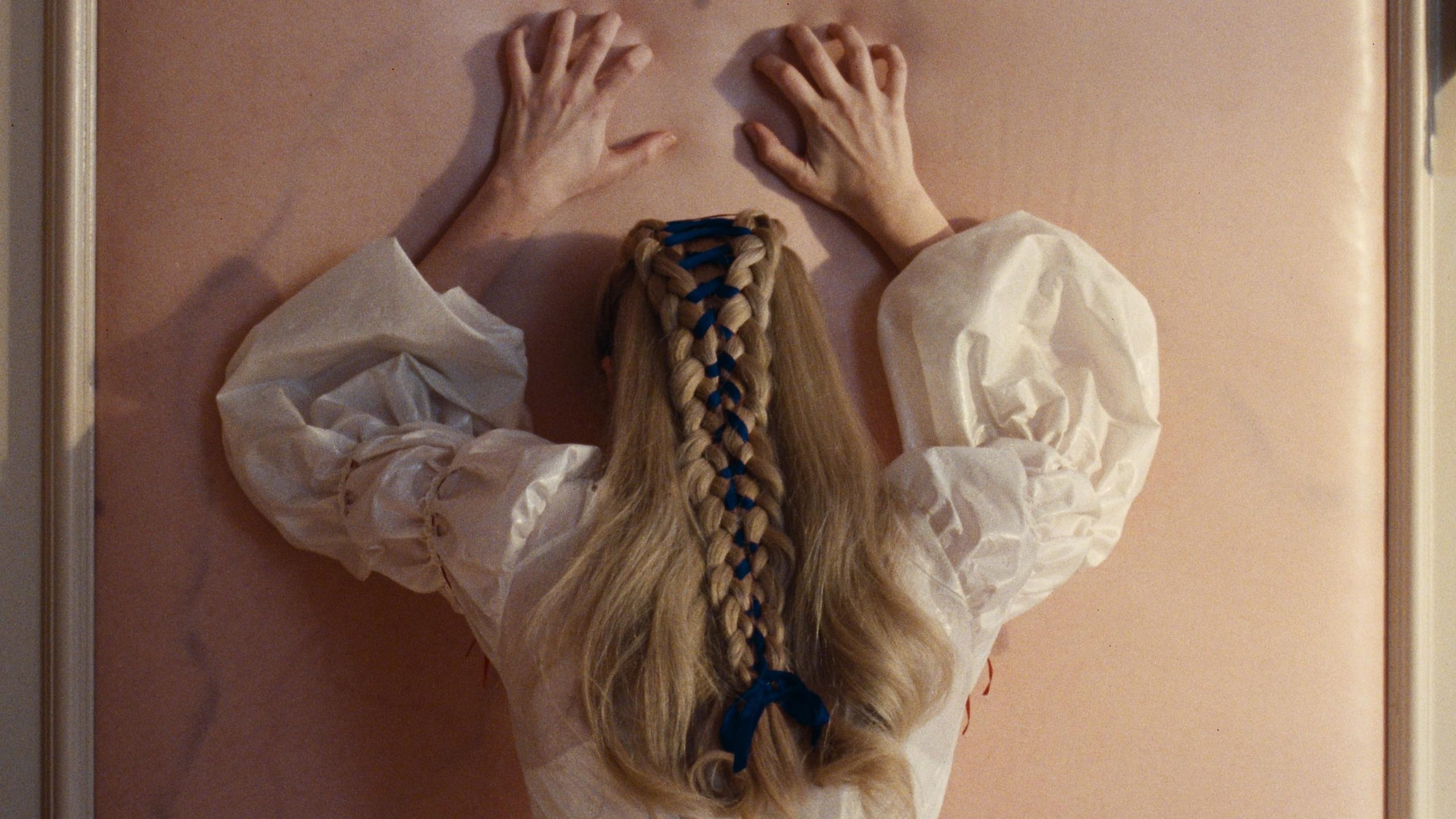
via Warner Bros
Let me be clear: I have not read Wuthering Heights.
I haven’t picked up the book, I haven’t seen the film from the 90s, I have not watched the movie featuring Effy from Skins. And so I presumed I would be the ideal audience for Emerald Fennell’s Margot Robbie and Jacob Elordi adaptation. No relationship to the source material. No expectation whatsoever.
From the woman who brought us Barry Keoghan thrusting a grave and Carey Mulligan indulging in a murderous rampage, one would expect Fennell’s next project to exhibit the same depravity.
But for all of the promise of a Wuthering Heights adaptation that was absurd, grotesque, hyper sexual, and all out primal, the film itself left me desperately wanting, well… something more. Feral or otherwise.
Where Promising Young Woman provided a searing commentary on the prevalence of rape culture, and Fennell’s wildly popular Saltburn said as much about class as it did about Keoghan’s willingness to do pretty much anything on screen, Wuthering Heights fails to provide that same shock – that feeling of leaving the cinema and thinking ‘I don’t know what I just watched, but I know I liked it.’
Instead, what we’re left with is a film that feels half baked – not quite the perfect Brontë adaptation fans knew they were never going to receive, but not fully Fennell either.
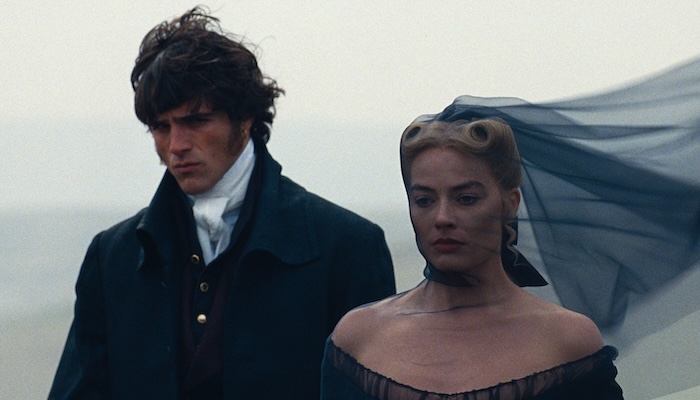
via Warner Bros
Maybe it was the director’s love for the novel that stopped her from easing into total debauchery. Or perhaps the casting (which has received its own fair share of criticism over the past few months) didn’t allow for the madness of her previous projects.
Sure, Alison Oliver has a moment or two of extremity, but they’re not as outrageous as early reviews of the film would have led us to believe – and certainly not worthy of the screams and rabidity Robbie was sure they would elicit.
That’s not to say Wuthering Heights isn’t an enjoyable watch. Mostly, it is. Robbie’s performance is assured. Her love for Heathcliff feels appropriately desperate, her longing for her “pet” is felt in every breathless gasp, each wet kneading of dough.
Elordi is also incredibly believable as the domineering, tortured antihero, even if his fury is quieter, his rampage less palpable. His performance may even be on par with Owen Cooper’s, who plays his younger self, who you might recognise as the radicalised pre-teen from Adolescence, a role that gained him international fame.
via Warner Bros
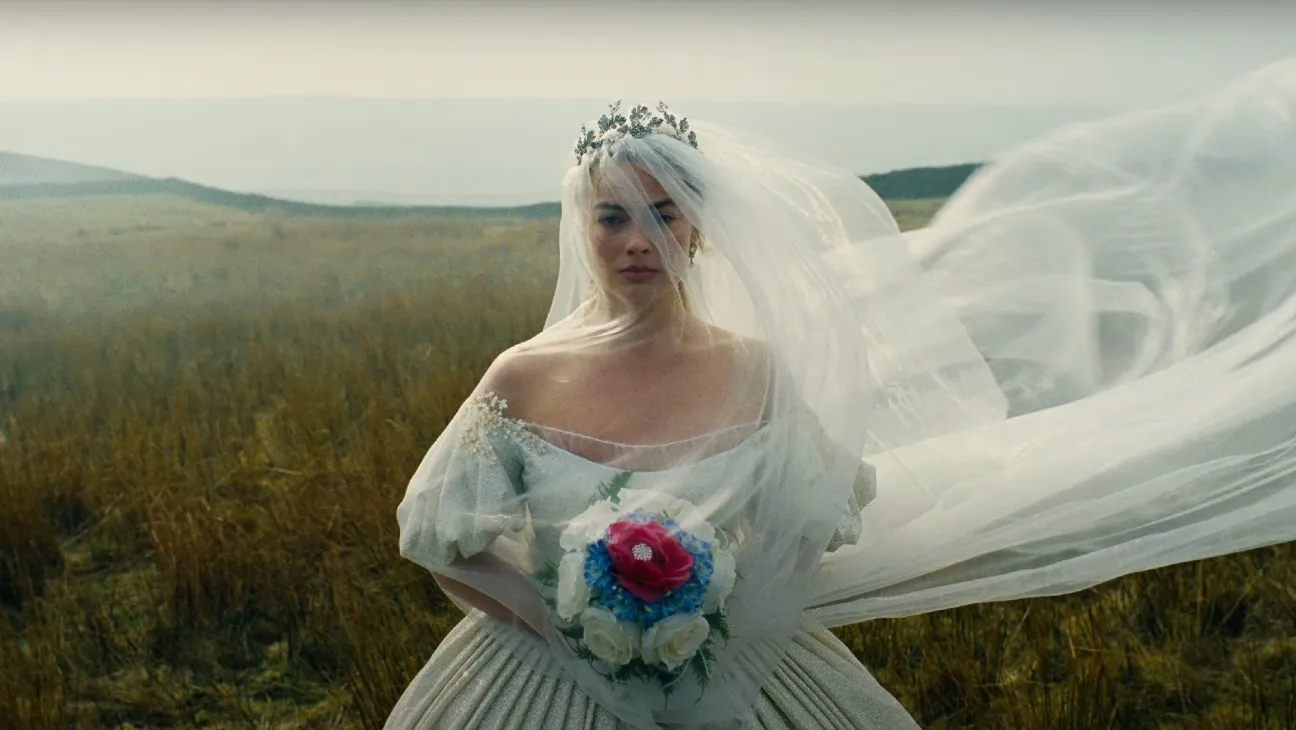
The costumes are beautiful. Not era appropriate, no, but they were never going to be. There’s a playfulness in the styling and a boldness to the colour that makes this so much more than a tragedy on the moors.
Cathy’s escape from her idle father is proven not only by her marriage to Edgar, but by her luscious corsets, latex gowns, and a ridiculous yet also remarkable wedding night outfit that deserved far more than a half a second of screen time.
The film’s attitude towards sex is invigorating, at times, while also feeling a little shallow. What is the connection between death and arousal? What does it mean to have power? Who has it? Fennell poses these questions without committing to answering them, leaving us with no more than a finger in a fish, a mess of eggs.
Wuthering Heights has been talked about long before its release, and will no doubt continue to be thereafter. For the right crowd it may just be as raucous and satisfying as was intended, but it was a little bit soft for my taste.
Wuthering Heights arrives in Irish cinemas on February 13.

 100vw, 1408px" />)
 100vw, 1218px" />)
 100vw, 1590px" />)
 100vw, 1136px" />)
 100vw, 2560px" />)