Fashion and Beauty 5th May 2026 by Jade Hayden
How Do You Know If You’re Over-Exfoliating?
We asked an expert

via Pexels
It can sometimes be hard to know exactly what your skin needs.
With ever changing weather, the prevalence of #SkinTok, and countless new products landing on shelves, pinning down a simple routine is proving ever-more difficult.
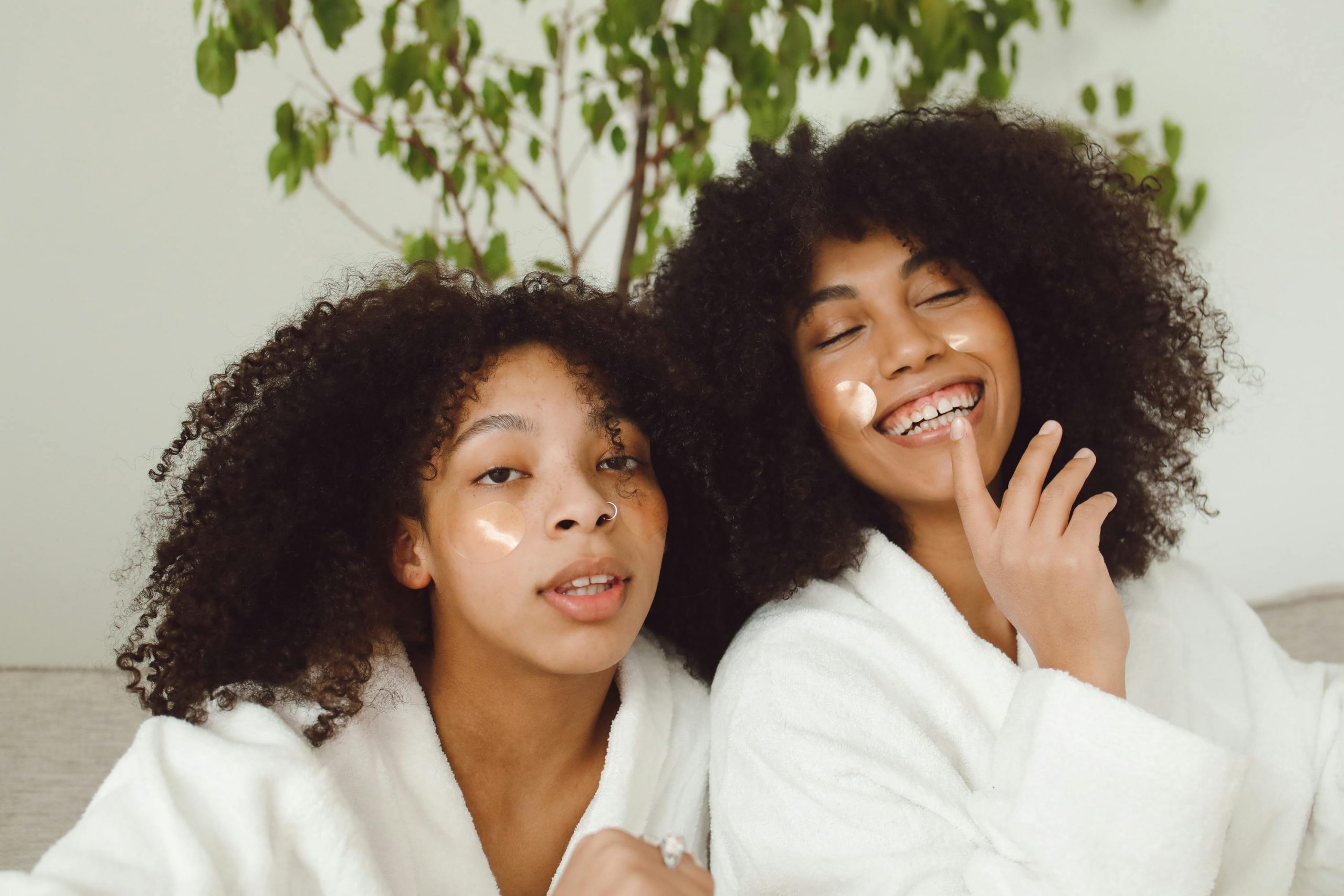
There’s serums, masks, under eye patches, overnight glow treatments, cleansers, spritzes, and of course exfoliators.
And while the idea of removing all of that dirt and dead skin cells daily is incredibly enticing, there is such a thing as over-exfoliating. And it could actually be ruining your skin barrier.
Lead Skin Specialist at Eden Medical Clinic Lauren Reily, says she sees over-exfoliation in her clinic – a lot.
“Over-exfoliation is actually a significant and increasingly common issue in the skincare world,” she tells us. “With so many active ingredients and treatments readily available, it’s easy for people to unintentionally push their skin too far.
“Instead of achieving that healthy glow, the skin becomes inflamed and reactive. A lot of what we see clinically now is less about ‘problem skin’ and more about over-treated skin.”
So, what does a compromised skin barrier mean? Well, it can lead to persistent redness and sensitivity, dehydration, tightness, and even breakouts.
It also means the skin is less able to heal and protect itself, leaving it open to pollutants and bacteria.
via Pexels
Lauren says that most people who over-exfoliate have good intentions, but that the “more is more” mindset could actually be doing more harm than good.
“People often think that if a product works, using it more frequently will give faster results,” she says. “It’s rarely deliberate, just a lack of clarity around how much is enough.”
She says that layering acids and using multiple retinols and treatments together can also become an issue when the actives in these treatments overlap. Exfoliation, she says, can also appear as a quick skin fix.
While most people can exfoliate 2-3 times week (those with dry skin should generally exfoliate less and those with oily skin can exfoliate more), many of us are over-exfoliating far beyond what our skin needs.
“People are chasing instant results,” Lauren says. “Exfoliation gives quick smoothness, so it becomes addictive in a way. Then breakouts or texture from irritation are often mistaken for congestion, leading to even more exfoliation.”
Of course, TikTok has a role to play in the prevalence of skincare misinformation out there, but according to Lauren it’s not the only culprit.
“The fast-paced trend cycle encourages overcomplicated routines, a lack of context (what works for one person may not suit another) and short-form education that skips nuance, especially around skin barrier health.
“That said, social media has also made skincare more accessible and has increased awareness overall. The issue isn’t the platform itself, it’s that viral content often prioritises results over education.”
So the next time you’re taking tips from that creator with perfect skin, or scrubbing your face with your favourite exfoliator just because it feels good, consider what your skin actually needs.
And if you’re unsure, always ask an expert.

 100vw, 1242px" />)
 100vw, 1186px" />)
 100vw, 1920px" />)
 100vw, 1062px" />)
 100vw, 1186px" />)