Telly 22nd June 2026 by Jade Hayden
Why I Kissed A Girl Is Essential Queer TV
The show returns this week
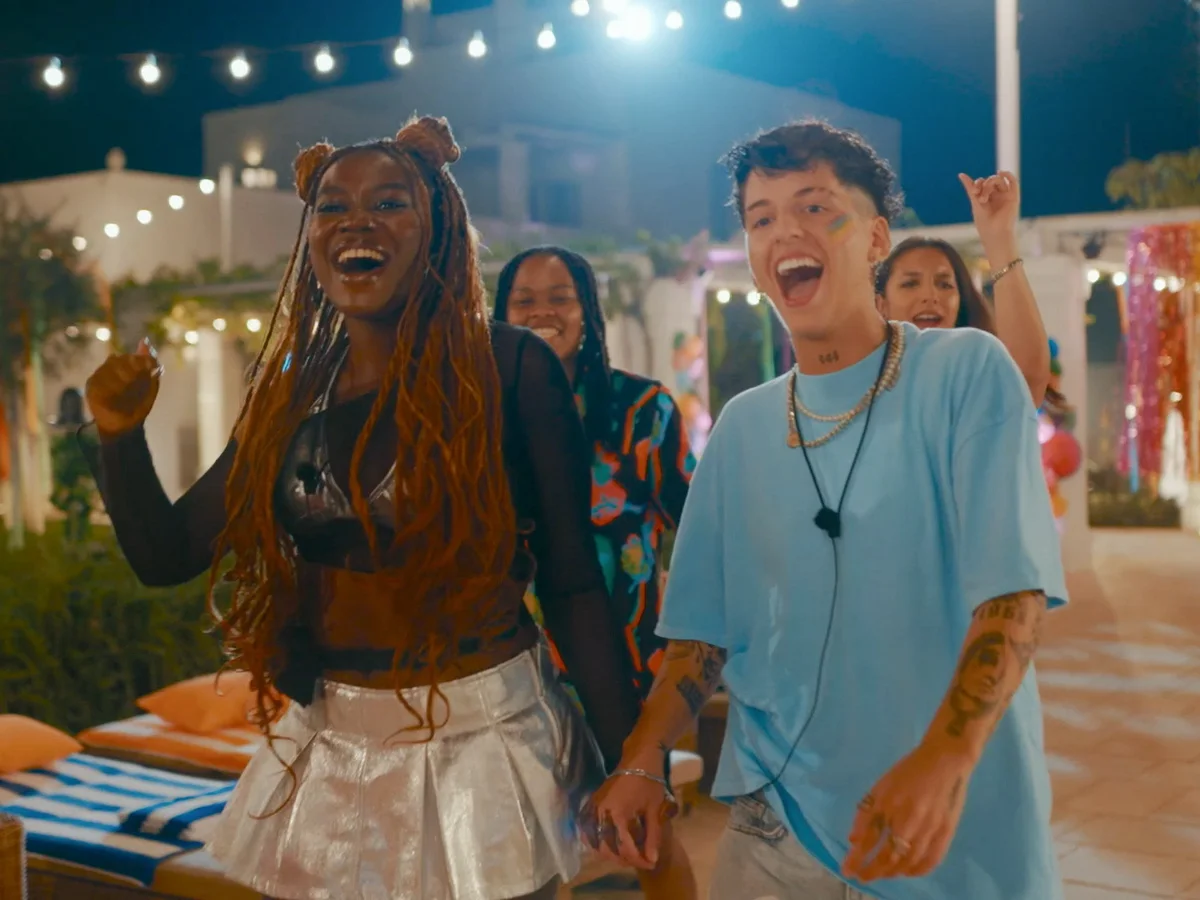
via BBC Three
June is Pride Month, and what better time for a queer reality dating show to return to our screens?
I Kissed A Girl season two is landing this week, giving 10 queer gals a chance at love in a beautiful Italian masseria, while LGBT ally icon Danni Minogue looks on.
The show isn’t dissimilar to Love Island: single people live in a villa, get to know each other, and hopefully form relationships worth exploring outside of the show.
Upon entering the masseria, each contestant is immediately matched with somebody else, and as the show’s title suggests, they kiss. The rest of the series follows them as their connection grows, or they move onto someone else.
I Kissed A Girl (and its male counterpart, I Kissed A Boy) are among the small pool of reality dating shows actually focused on queer couples.
Generally these types of shows are reserved for straight people only – the Love Islands and Love Is Blinds of the TV world that thrive on appealing to as large an audience as possible, their casts largely reflective of this need for universality.
View this post on Instagram
And look, I get it. Introducing queer people into a regular season of Love Island wouldn’t really work. The show has its format, and its unlikely its producers are going to want to mess with that format too much.
It’s also built itself an audience that expects to see men and women flirt, date, and maybe even fall in love. But that doesn’t mean that there’s never been an audience for a queer version of a show like this.
I Kissed A Girl and I Kissed A Boy have been major successes for BBC3, bringing in double the channel’s average ratings on both of their respective premiere nights.
Both series also received overwhelmingly positive critic receptions, most notably for their diverse casts even within the LGBTQ+ community, and the general lovely vibe of the show.
Yes, there’s drama, but the programmes are generally about queer people making connections, rather than constant triangles, bombshell chaos, and what brand deal you can secure after leaving.
It’s also just genuinely so nice to see positive queer love on TV – particularly when it comes to wlw (women loving women) representation.
I Kissed A Girl is the UK’s first ever dating show featuring exclusively lesbian and bisexual women, and its significance shouldn’t be ignored.
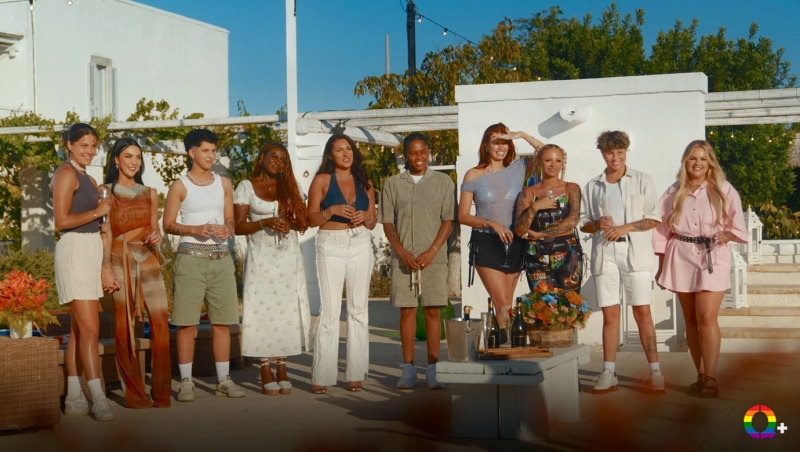
via BBC Three
When we talk about queer culture and queer spaces, so much of that tends to be male focused.
And that’s not the fault of gay men. Maybe we’re just not seeing enough sapphic relationships in media, enough to make us sit back and think, oh yes this kind of love exists and is worthy of our time. And can actually be quite entertaining too.
The BBC announced earlier this year that I Kissed A Girl (and I Kissed A Boy) will not return after their upcoming seasons due to budgetary constraints.
The move has been harshly criticised by viewers and members of the LGBTQ+ community who have never even seen the show, who argue that queer representation is already massively undermined in media.
And in a world where queerness is actively being suppressed in certain countries, and the rights of LGBTQ+ people are constantly threatened, surely the least we should be allowed to do is enjoy some queer people on TV.

 100vw, 1200px" />)
 100vw, 748px" />)
 100vw, 1410px" />)
 100vw, 2560px" />)
 100vw, 1232px" />)