Trending 6th January 2026 by Jade Hayden
Are Wearables Worth It?
Happy January
via Pexels
It’s January. You’re in the gym. You’re there for the first time in a few months, and look, that’s okay. There are plenty of people around you, pounding on treadmills and climbing on stairmasters. You do a session on the cross trainer. A good session. Better than you thought you could have done after a good long workout break.
Your face is red, there’s sweat on your brow, and you feel good. Your body is sore, but in that nice way that tells you you’ve moved, you’re alive. You’re proud of yourself, and you look down at your wearable fitness device to confirm that yes, you should be proud of yourself. You’ve done well.
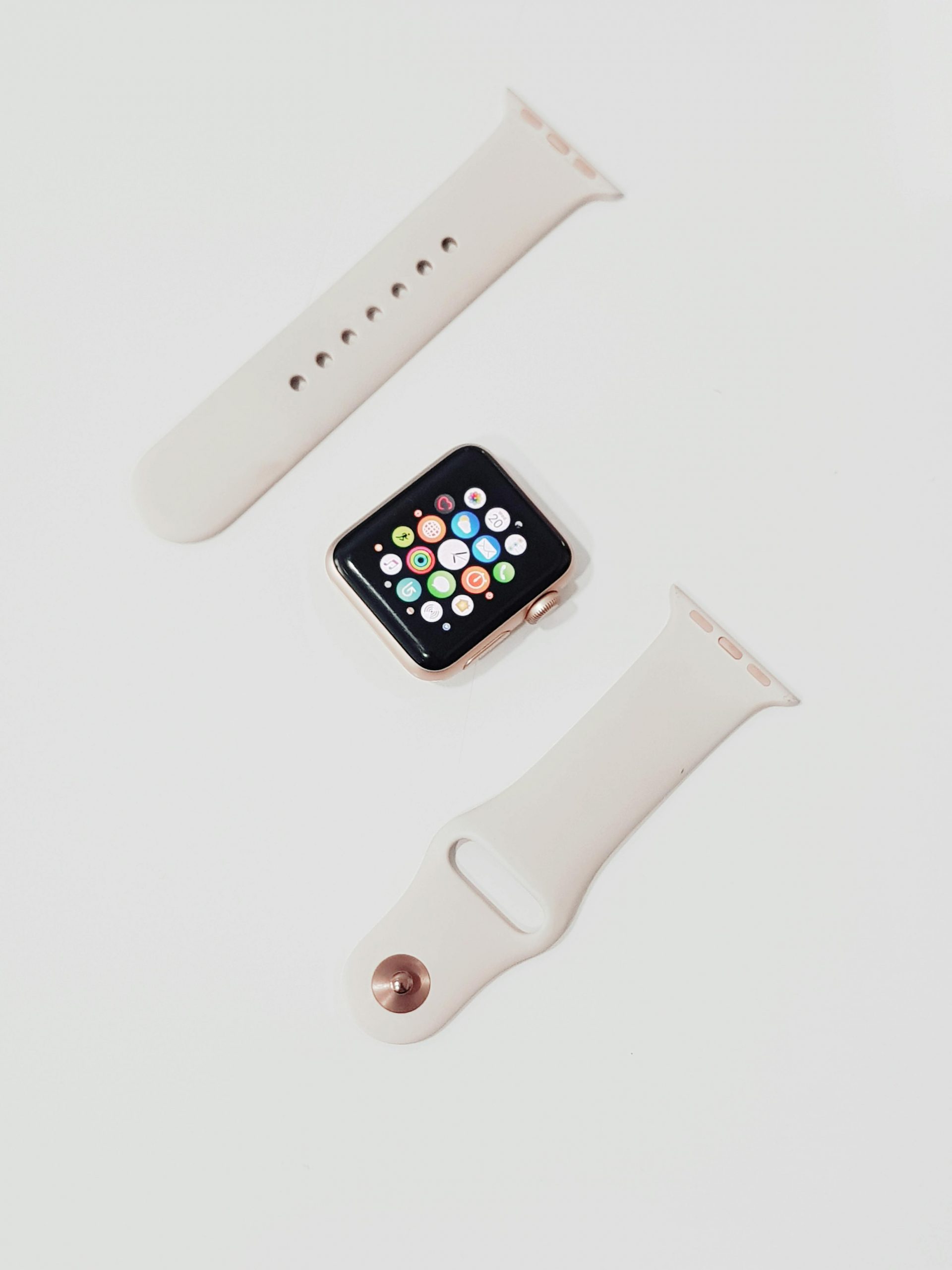
Wearables are not a new concept. For over a decade now we’ve been obsessing over our sleep habits, sharing our runs to social media, and logging our rest days. There’s something deeply satisfying about working out, feeling good about it, and then getting to delve deep into all of the reasons why you should feel good about it.
You broke a personal record, you pushed your body beyond its regular strain limits, you only had three ‘wake events’ the night before so, therefore, you were well able for exercise – such are the things you become enamoured with when you wear a wearable, whether you’re running 10k, or simply walking to work.
I got my first wearable about six months ago – a WHOOP 5.0 wrist strap that provides insights on my active moments, my recovery, and of course, my sleep. My package is ‘Life’, meaning that I can also learn about medical grade health insights, and even take an ECG. Yes, really.
via Pexels
I won’t lie – I really like my wearable. It’s the first type of this device I’ve ever used and even though my ‘performance’ is generally restricted to long walks, short gym sessions, and packing goodie bags for events (or, ‘power lifting,’ as my WHOOP likes to suggest), it’s been interesting to see what activities tire me out the most, and what days I’m back on form.
This wearable also operates as a period tracker, a heart rate monitor, a personal coach, a pedometer, a stress monitor, and lots of other things I probably haven’t even tapped into because I am not a high performance athlete. Basically, it’s got a lot going on, and I’m as clued in on my workouts as I’ve ever been.
Other wearables offer similar insights. The Fitbit Charge 6 provides fitness tracking, heart rate monitoring, and sleep scores, all connected to your Google account. It’s a simpler alternative, but for the average person who just wants to get a bit more active, what more do you need?
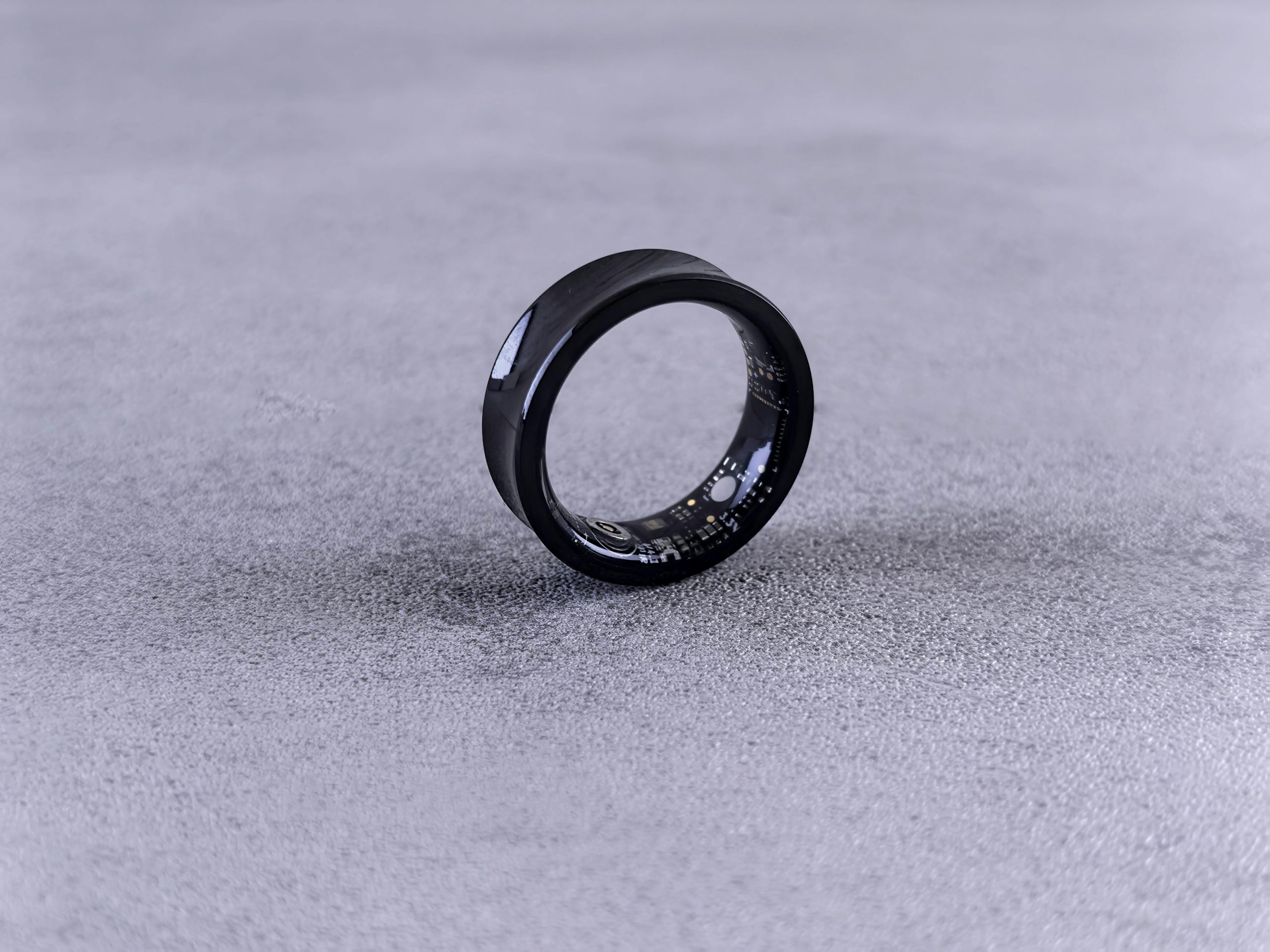
Then there’s the Oura Ring: the brand that said the wrist wasn’t discreet enough and created a device that you can wear on your finger. And for its size, it’s seriously powerful. The Oura Ring 4 collects data from over 50 wellness metrics from readiness and sleep scores to movement tracking to much needed moments of stillness throughout the day.
via Pexels
I didn’t even mention the Garmin wearables, the Galaxy Watches, or the temporary tattoos that will apparently be able to determine muscular exertion, fatigue, and hydration levels in the near future. And I don’t need to – the point is that the world is obsessed with wearables. But are they really worth it?
For me personally, yes – to an extent. While it’s been helpful to see how much my body has recovered and how my energy levels affect how active I could be, it hasn’t made me more active. Sure, I don’t want to let my strap down by telling it that I, once again, had three alcoholic drinks last night and as a result, had a poor sleep, but that doesn’t stop me from having those drinks… and from skipping the gym the next day.
My wearable has also been handy in monitoring my anxiety. Where once I was convinced that my heart rate must be through the roof during a particularly stressful period, more often than not over the past six months, when I’ve checked it, it’s been fine. Does this mean that I’m not anxious? No, but it might mean that my body is dealing with that anxiety better than I give it credit for.
However, there is such a thing as too much information. Clinical psychologist and professor in cardiology Lindsey Rosman told the BBC that for some people, when presented with statistics about their own body that they don’t quite understand, it can make their anxiety worse.
“If we see stats about ourselves that we don’t really understand then, of course, we are going to want to know more,” she said. “We check, we check again – it becomes a self-fulfilling prophecy.” Another professor added that these devices could easily turn us into “the worried well.”
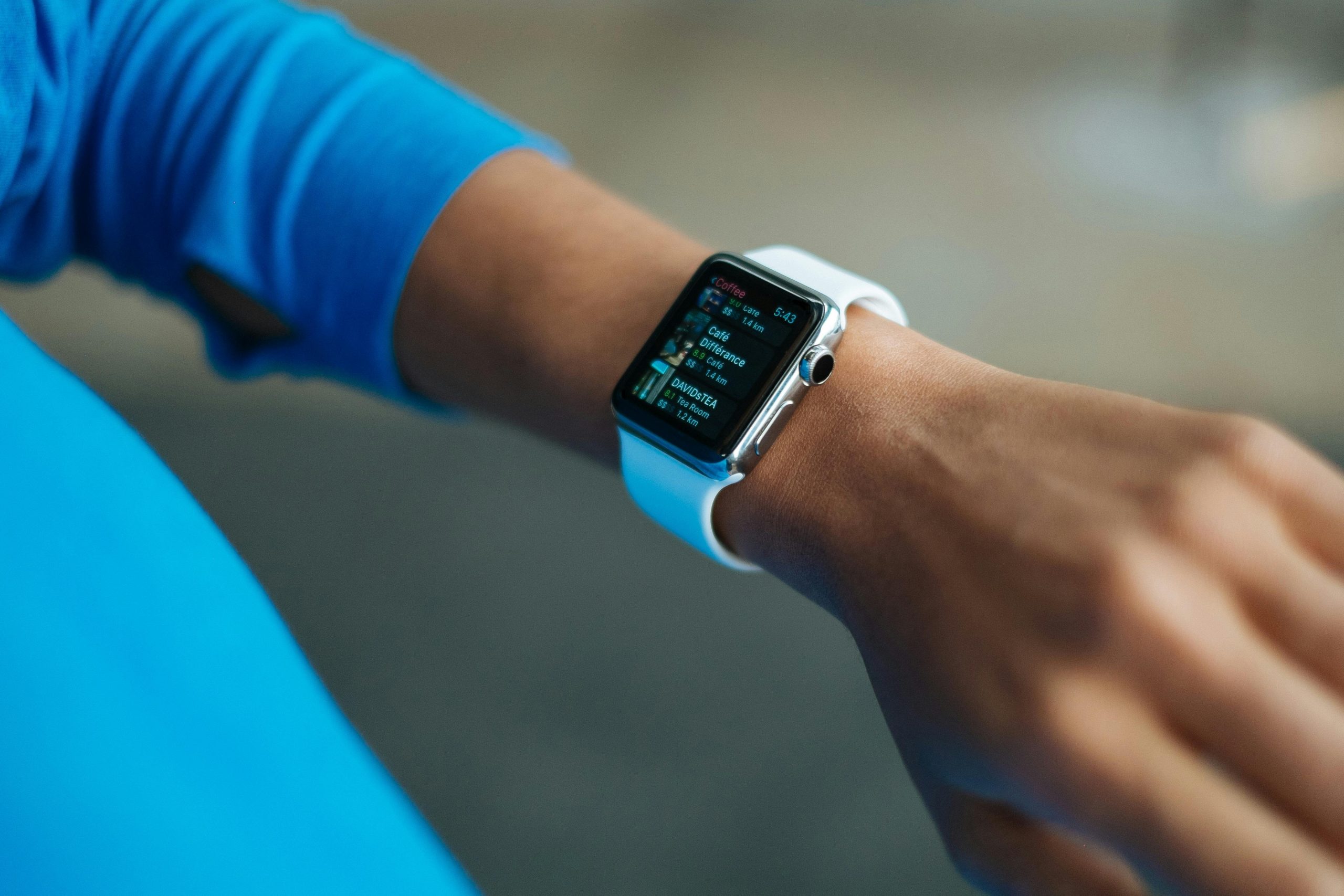
But they could also be lifesaving. A man in the US credits his Apple Watch with saving his life when it told him to seek medical attention due to his irregular heart beat. Another man, an endurance cyclist, says his watch woke him up in the middle of the night, and “told me it had detected atrial fibrillation.”
Whatever your POV, wearables are here to stay. And if the current acceleration of the tech industry is anything to go by, they’re only going to get more advanced. Whether that means more useful – or more stressful – remains to be seen.

 100vw, 1264px" />)
 100vw, 972px" />)
 100vw, 2560px" />)
 100vw, 1504px" />)
 100vw, 2560px" />)