Trending 21st January 2026 by Aicha Chalouche
Unpacking The Wuthering Heights Controversy
An insult to the original novel, or a celebration that strays from the original text?
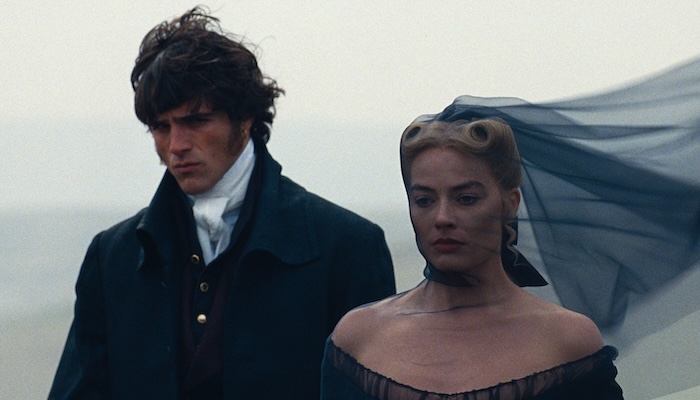
Wuthering Heights. One of the most praised and memorable classic novels of all time. Groundbreaking for its time, Emily Brontë gave us nuanced characters and a complex plot that has left a mark on readers for centuries. And now, Saltburn director Emerald Fennell is bringing it to the screen. But not everyone is too pleased with her plans for the film.
Saltburn was an explosive hit because of its disturbing, almost depraved nature. While it covered, at least on a surface level, themes of classism and an eat-the-rich point of view, the real buzz around the film was caused by its cinematography and shocking sexual scenes (nothing could have prepared me for that grave scene…). Judging by the first trailer for her new adaptation of Wuthering Heights, it looks like Fennell definitely has a specific style of filmmaking, because it is giving Saltburn. Unsurprisingly, fans of the novel are not happy.
Many believe that Fennell is completely disregarding key aspects of the original story that are crucial to its message. One argument, which is honestly pretty valid, is the fact that Jacob Elordi is playing Heathcliff. A central part of Heathcliff’s character, and therefore of the story, is that he is described as “dark skinned”, and although Brontë never shares where exactly he came from, there are a number of instances in the book where the narrator implies that he looks different to the other characters.
View this post on Instagram
Heathcliff is ostracised and mistreated by his family and neighbours because of this difference, and this is likely at least one of the reasons that he becomes so bitter and spiteful in his later life. Basically, him not being white is a massive part of his character and has a huge impact on the story. Fennell’s decision to ignore this fact and cast Jacob Elordi, a white man, strips the story of a very important theme and naturally has fans questioning her intent behind this choice. It’s also quite puzzling because, even though this book was written 179 years ago, mistreatment and hostility towards people of colour and foreign people is still as relevant as ever, so it was definitely an interesting choice.
Another reason fans are angry is because, judging by the trailer, there’s going to be a lot of sex in this movie. This argument doesn’t really come from a place of prudery, but many readers believe that the oversexualisation of the story will sacrifice a great deal of context and themes from the original novel. The more time we spend watching Margot Robbie and Jacob Elordi getting busy with each other, the less time we have to explore the deeply flawed and complicated relationship they have with each other and everyone around them. It’s also believed that the sole purpose of all this erotic imagery is to garner the same reaction and buzz that Saltburn received. Again, Fennell clearly has a style.
On that note, there’s the idea that this adaptation is a “TikTokified” version of the original. Basically, Fennell has dumbed the story down, shedding important themes and messages in exchange for shock value, easily digestible characters and a focus on cinematography. A question arises then on whether Fennell is simply ignoring a beautifully written, complex plot and warping it into a surface level adaptation packed with scenes that will make their rounds on TikTok for their depravity or cinematography, or is she trying to encourage new generations to embrace classic literature in their own unique and modern way, if that’s what it takes to prevent them from leaving it behind altogether.
View this post on Instagram
Without disregarding the criticisms above (the race argument especially), we need to think about the necessity of word-for-word exact copy adaptations, or whether there is a necessity at all. Of course, we all have our favourite books that we’re dying to see brought to life on the screen, but we already have an adaptation like that of Wuthering Heights, and particularly with a novel as complex and deep as this one, no two hour film will ever be able to fully encapsulate all the intricate messages and feelings that Emily Brontë managed to through her writing. So why try?
We should be celebrating modern recreations of old literature, as this is probably the exact thing that’s preserving that sort of literature in the first place. What Fennell is doing (possibly) is taking an amazing piece of literature that seems almost inaccessible or tedious to people who don’t read classics, and packaging it in a way that will appeal to them. Maybe this is undoubtedly TikTokification in front of our very eyes, but if that is what it takes to spread the amazing literature of older periods of time then maybe it’s the best thing to do. Classics lovers have more than likely read the book already, and have possibly watched the earlier film adaptation of it too, so why are we looking for another exact copy of the same text?
I hope that through her film Fennell manages to hold on to the core messages of the book and do the characters justice, but I don’t see why her adaptation needs to be identical to the book. Just think about how many people have decided to read the book in the lead up to the film. It just shows that even if this film does end up being a disappointment, it still managed to remind us to embrace different kinds of literature in its own way.

 100vw, 1176px" />)
 100vw, 2560px" />)
 100vw, 1176px" />)
 100vw, 2560px" />)
 100vw, 766px" />)