Love & Sex 14th May 2026 by Stellar Magazine
Is Modern Dating Killing The Classic Romcom?
Can romcoms survive in the current dating climate?
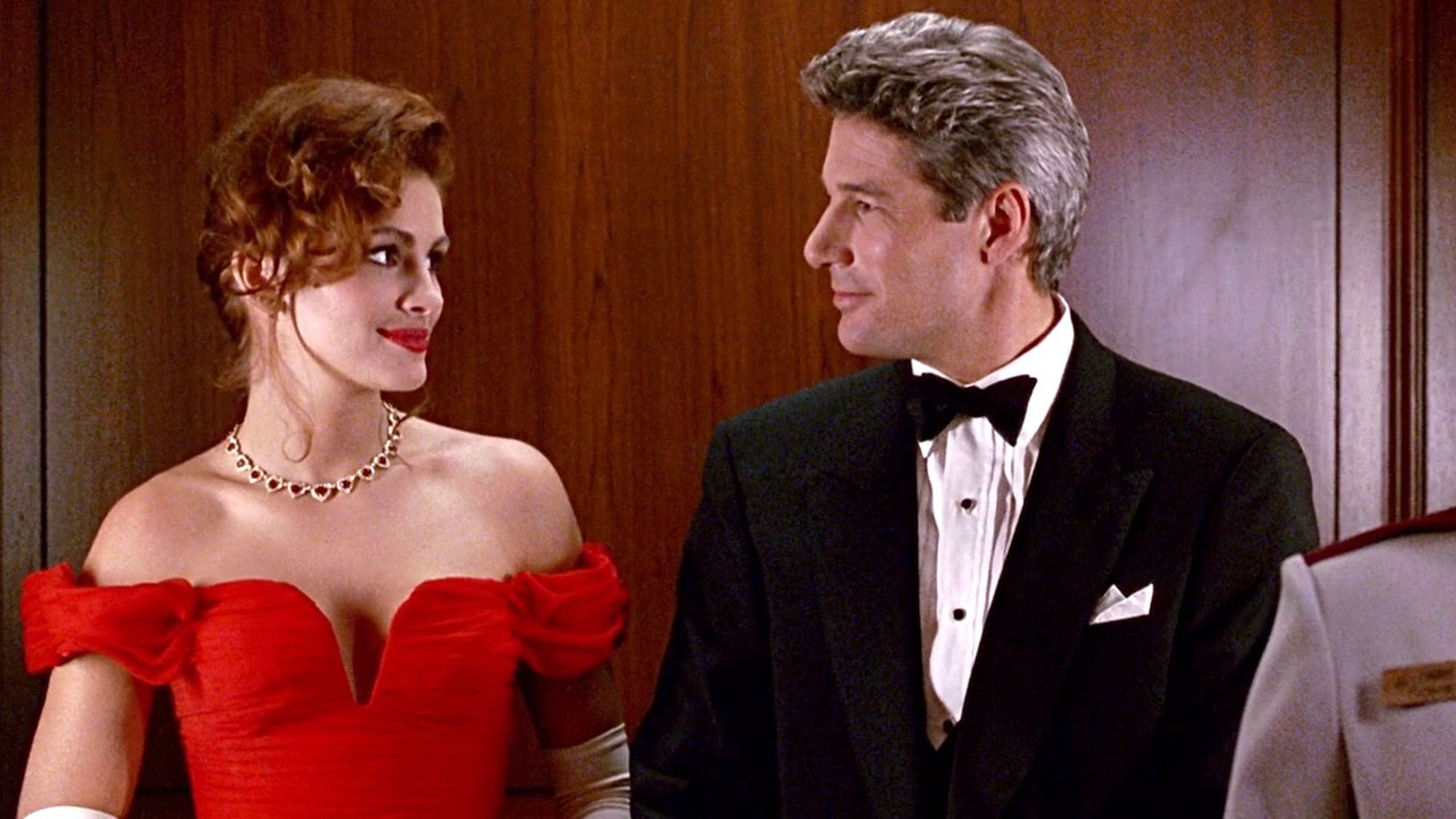
via Disney+
There was a time when romantic comedies made love look easy.
Not realistic, obviously. Nobody was watching Pretty Woman, The Proposal or Two Weeks Notice because they thought this was exactly how their dating life was going to unfold, even if the prospect of accidentally falling for a suspiciously humble millionaire did admittedly sound quite appealing.
But even within the fantasy, there was still something grounded about them. Two people meet, something awkward happens, feelings slowly develop, someone makes a dramatic confession and, usually, everyone lives happily ever after.
Now, try placing many of these classics in 2026 and most of them either fall apart immediately or need to be rewritten to the point where they would barely resemble the original stories and characters.
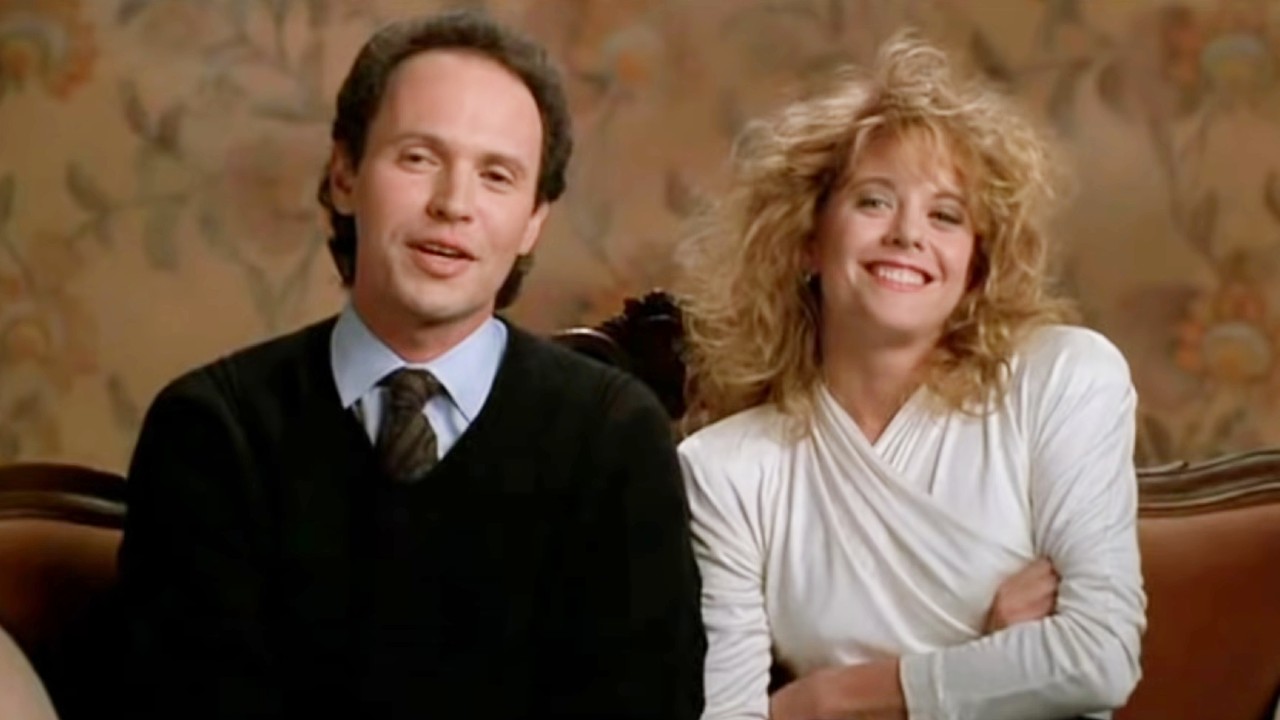
via Prime Video
Modern dating has changed a lot.
The meet-cute, once the foundation of almost every classic romcom, feels almost impossible now. In When Harry Met Sally, Harry and Sally meet by chance, popping in and out of each other’s lives, building a friendship and slowly realising they want a romantic relationship. It works because it there is patience, history, commitment and conversation on both sides.
Today, that same story probably starts with an Instagram follow, a few story replies and a couple of weeks of dry texting before one person decides the other is too clingy.
Not quite the makings of a classic romcom.
That might sound dramatic, but the genre was made for a dating world where people actually needed to risk looking interested. If you liked someone, you would have to say it eventually. You would have to call, show up and take a chance at possibly embarrassing yourself. That vulnerability was endearing and the reason so many people found themselves in these characters.
But now looking too invested is social death. The exact opposite of what classic romcoms were built on.
@hulu Go big or go home. Now streaming: #SayAnything #MovieScene #FilmTok #RomCom #80s ♬ original sound – hulu
The grand gesture is probably the clearest example of how much things have changed. Take the 80s classic Say Anything, where Lloyd stands outside Diane’s window holding a boombox above his head. One of the most iconic romantic images in cinema. The gesture symbolising his desire to communicate his feelings and commitment to her even if it results in him looking foolish.
In 2026, it might also say, “Why is this man outside my house?”
The same goes for Love Actually, where Mark silently confesses his love to Juliet using cue cards while her husband, who is also his best friend, sits inside. For years, it was treated as one of the great romantic Christmas movie moments. But watching it now, it feels much harder to ignore how deeply unfair and uncomfortable the whole thing is.
Even the film’s director, Richard Curtis, has since admitted the scene is “a bit weird.” And honestly, that feels generous.
The problem with so many old romcom tropes is that things that once read as passionate are now understood as inappropriate or emotionally chaotic. Chasing someone through an airport used to mean you had finally realised what mattered. Now it means you should respect their decision and not waste their time. Also, you might get arrested.
But it’s not just modern audiences being more cynical. It is that modern dating has trained people to always look out for red flags at every turn.
Dating is more optimised now. Dating apps have opened people up to the world and to the knowledge that a better match might very well be out there. If one conversation gets awkward, slow or slightly disappointing, there are quite literally plenty more fish on the screen.
There are less “unlikely matches”, people search by preference and before even meeting will be judged on their photos, prompts, height and music taste. And if they don’t meet the requirements you won’t have to see their profile ever again. Basically, making your profile a dating CV.
via Pexels
This critical assessment leaves much less room for surprises. And to be fair, some of that is for good reason. Modern dating has made people more aware of safety, red flags and power dynamics. But this also detaches this theme of wildly unlikely character pairings that older romcoms were built on, making them much harder to accept. Because yes, it is a comedy, but at some point, audiences are going to ask how Adam Sandler keeps pulling women who look like Penélope Cruz.
This is also the reason films like Pretty Woman feels so hard to imagine now. Yes, the premise was always pure fantasy, but the reason it worked was because it allowed two people from completely different worlds to change how they saw each other. In a modern dating context this would be much harder to image, as assumptions would be made too quickly, and the whole thing would be over before the shopping montage.
Even Bridget Jones’s Diary understood why imperfection matters in romance. Bridget does not fall for Mark Darcy because he is some perfectly packaged dating app fantasy. At first, she thinks he is rude, awkward and wearing a genuinely unforgivable Christmas jumper. But the film gives them room to change their minds about each other. In modern dating, that kind of slow shift feels much harder, because people are often written off before they ever get the chance to surprise us.

via Universal Pictures
A lot of modern dating culture does that. Between ghosting, situationships, “icks” and TikTok dating advice that turns every tiny behaviour into a warning sign, romance has become something people want but are also terrified of admitting they want. Everyone wants effort, but nobody wants to look desperate. Everyone wants honesty, but nobody wants to send the message first. Everyone wants connection, but only if it arrives without risk.
Romcoms cannot really survive in that environment.
Because romcoms need people to care too much. They need someone to make the speech, send the message, run through the rain, say the embarrassing thing and risk being rejected. They need sincerity, and sincerity is exactly what modern dating often makes feel cringe.
Perhaps this is why classic romcoms still leave a lasting impression on many of us. Certainly not because they are realistic but because but because they exist in a world where ridiculous grand gestures and over the top speeches are allowed to exist unadulterated.
Maybe the real loss is not the romcom itself, but the sincerity modern dating has made us embarrassed of.
Words by Andrew Connolly

 100vw, 1176px" />)
 100vw, 2560px" />)
 100vw, 1176px" />)
 100vw, 2560px" />)
 100vw, 766px" />)