Trending 22nd May 2026 by Bronwyn O'Neill
By The Book: Wendy Erskine On Writing ‘Full Contact Life’
"If you're a realist writer, it needs to be full contact life"
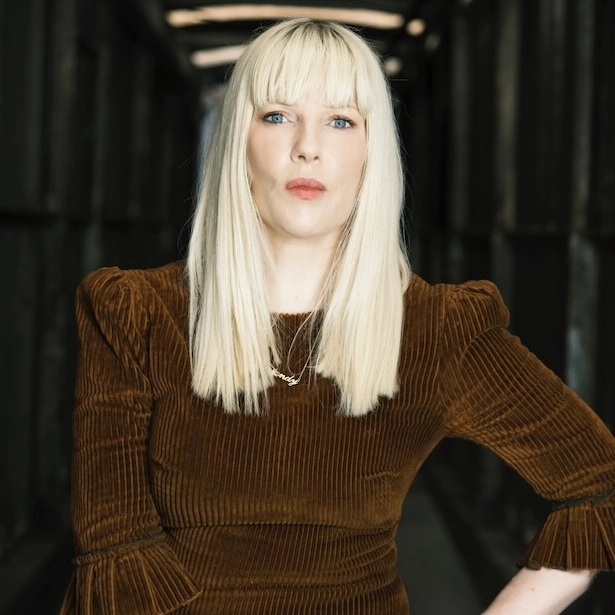
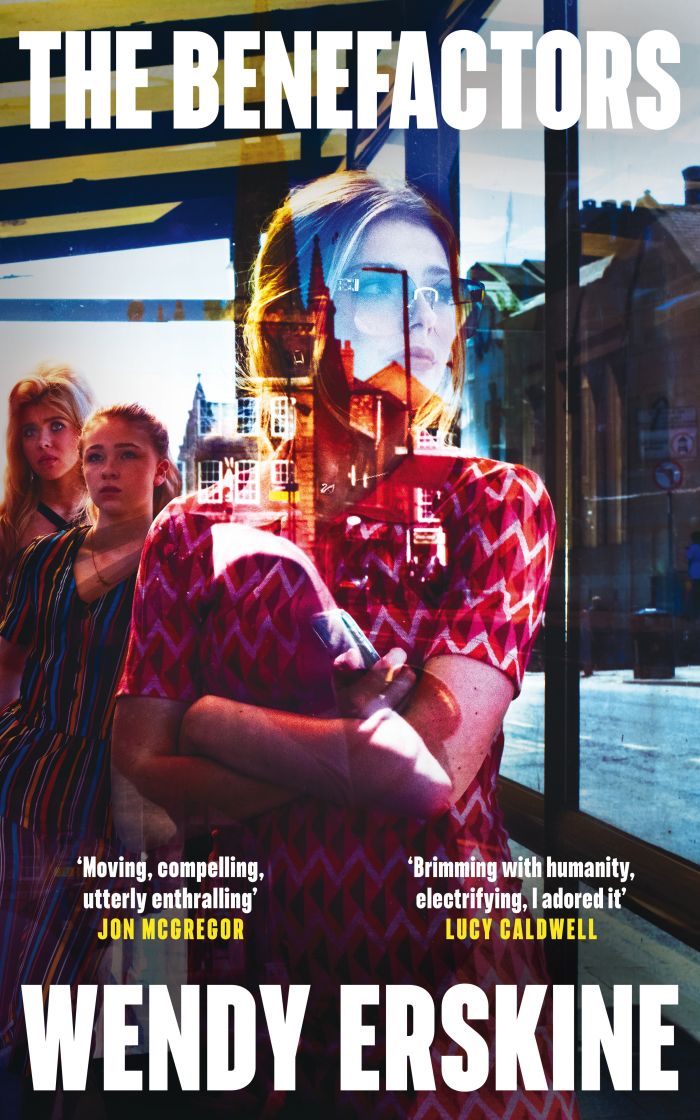
Wendy Erskine published her first novel, The Benefactors in 2025. A sweeping story about a teenage girl who accuses a group of rich boys of sexual assault in Belfast, narrated by anonymous characters and the accused boys’ mothers.
But before her first novel, Wendy had been publishing short story collections for over a decade.
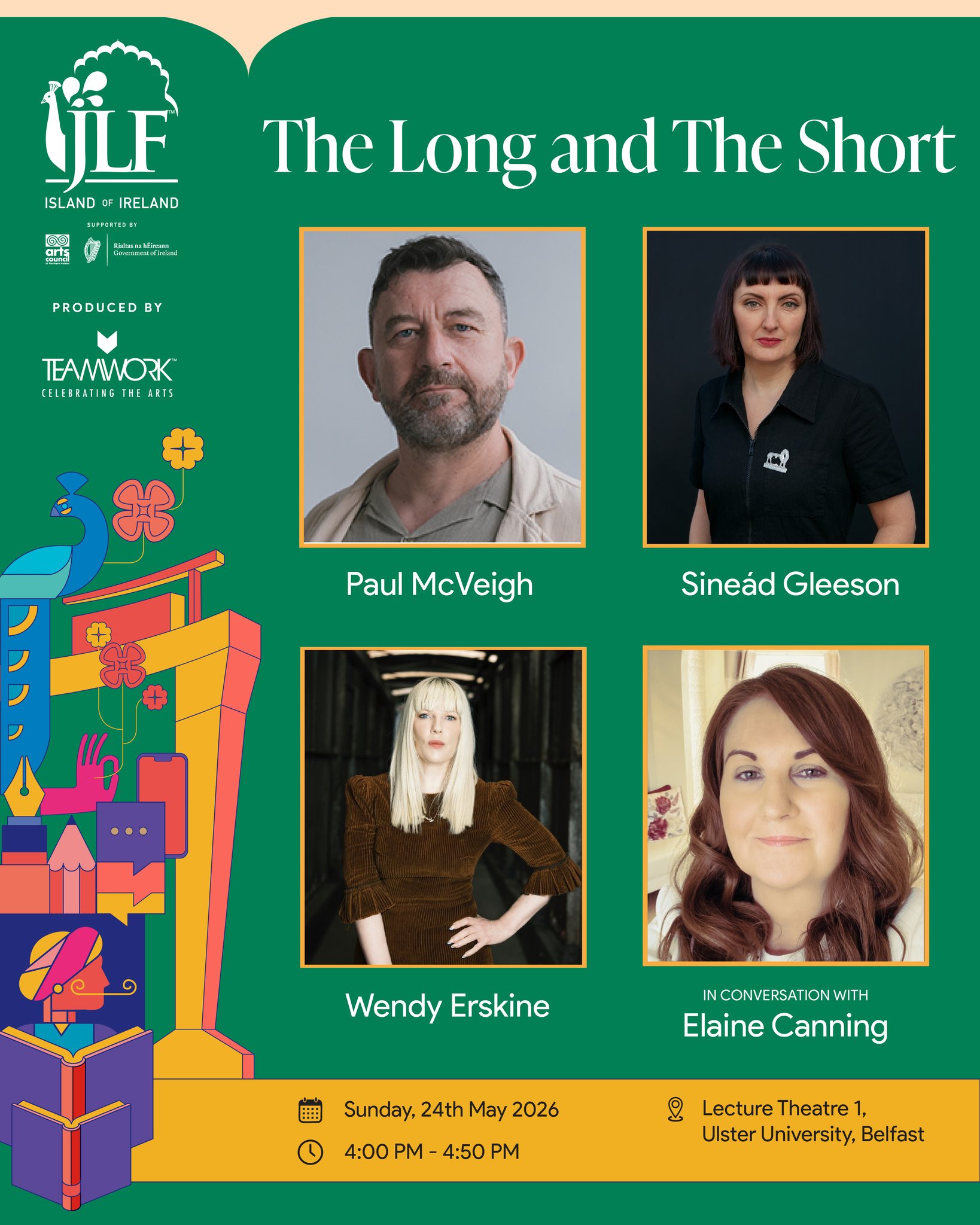
She will appear at the JLF Festival in Belfast to chat about writing short and long-form. Here we chat about the books that made her…
Talk to me about JLF Festival!
It’s terrific. It’s a fabulous literary festival from India, that holds event around the globe. It’s so nice that something like that is coming to Belfast.
Your debut novel, The Benefactors came out last year. What inspired you to write a novel and move away from short stories?
I’m used to writing short stories, I’ve probably written maybe about 30 of them. I thought that if I want to write a novel, there’s no point in me writing something that’s essentially a long short story, because why not just write another short story? I knew I had to write something that was going to be quite complex with lots of different voices and lots of different ideas and people in it. If you’re a short story writer, you create something new every two months or every six weeks, but you’re starting from scratch every single time. You’re having to create entirely new worlds and entirely new people and get to know them. That can be kind of quite exhausting. It seemed like it would be such a luxury just to stay in the same place with the same people for maybe a year and a half. It felt lovely just always going back to the same world all of the time.
The topic of the novel can be quite intense. How do you not get bogged down in writing tragedy?
I wanted to reflect life. I’m a realist writer, and so if you’re a realist writer, you need to engage and it needs to be full contact life. So that means dealing with the things that are really difficult, but also dealing with the things that are really wonderful in terms of love and connection and kindness. It sounds terribly kind of cliched but in a way, for me, writing is life and life is kind of writing. It’s like asking somebody how can you get through your day whenever you see all of the dreadful things that are happening you know in the world. There were some parts of the novel that were quite challenging to write, but at the same time there were other parts that were a total delight to write because they were to do with the best aspects of humankind.
What is the first thing you do when you sit down to write?
I make a cup of coffee, I normally write in my kitchen. If I’m working early days on a first draft, it’s quite exciting because I’m writing quite freely without too many restrictions. I never have any music playing. I always get too caught up in music, so it’ll either be silence or maybe talk radio playing and I just get on with it really.
Do you have a childhood book that you just still love to this day?
I had a book of poetry that came out for the International Year of the Child in 1979. That was probably my favourite book as a child because it was a selection of poems that had been picked by children, and they’re grouped in terms of age and underneath was a bit of a description as to why someone had picked that particular poem. I still go back to it and I still find it quite interesting to read why the people picked those particular poems. I lost it and then I ordered it again on the eBay!
Do you have three authors who inspire you?
Sara Baume inspires me because she’s a true artist. Nothing ever seems to be driven other than by her particular interests and artistic concerns so I think she’s absolutely brilliant. The poet Liz Berry really, really inspires me. She wrote a book that’s like a novel but in verse, The Home Child. It’s about children who were who were sent at the beginning of the 20th century to be servants in Canada. It’s the most beautiful, wonderful book. Then I would say Colin Barrett, I find incredibly, incredibly inspiring. He does things that I couldn’t ever do. I find his use of language really pretty thrilling.
Do you have a favourite character that you’ve written?
There’s a character called Paula in a story called Secrets Beneath a Beach by Crystal Cancun. This story is about a woman who has a Chinese takeaway on a Friday night with her friend. Paula used to be married to a man that she still loves very much but she can’t actually be in a relationship with him because he’s just too troubled, essentially after a very difficult childhood. I probably like her the best!
Is there a book universe you’d like to go into?
I’d like to go into a world that seems sort of hyper hyper controlled in terms of manners and decorum, like an Edith Wharton or maybe an Austin. I’d really like to observe that, but I’d probably like to be a servant! I’m getting all the info on all of the characters!
Do you read reviews?
I’ve always thought that if you put your book out into the world, people are going to have different opinions, and I’ve always factored that in. I’ve found that some people can be dismissive of Goodreads, and of course, you can get absolute nonsense on it. But also you get people who have in some ways understood my mind in a way that’s more sophisticated than perhaps “serious critics”.
Do you have a favourite genre to read? And is it similar to what you write?
I don’t have a favourite genre at all. There’s things that I don’t particularly enjoy. I’m not interested in hearing about university exploits. I’m not into reading the point of view of little children because I can’t be bothered dealing with these wise little individuals. I just find that unconvincing. However, are there books that are within those particular genres that I’ve absolutely loved, so never say never! There are always exceptions! I’m pretty open to everything.
From 22- 31 May, JLF returns to Ireland for one of its most ambitious projects yet: JLF Island of Ireland, a cross-border literary festival supported by the Government of Ireland and the Arts Council of Northern Ireland. Find out more here.

 100vw, 1264px" />)
 100vw, 972px" />)
 100vw, 2560px" />)
 100vw, 1504px" />)
 100vw, 2560px" />)