Trending 16th June 2026 by Stellar Magazine
Why People Connected With Oliver Tree So Much
The internet has spent years trying to figure out Oliver Tree.
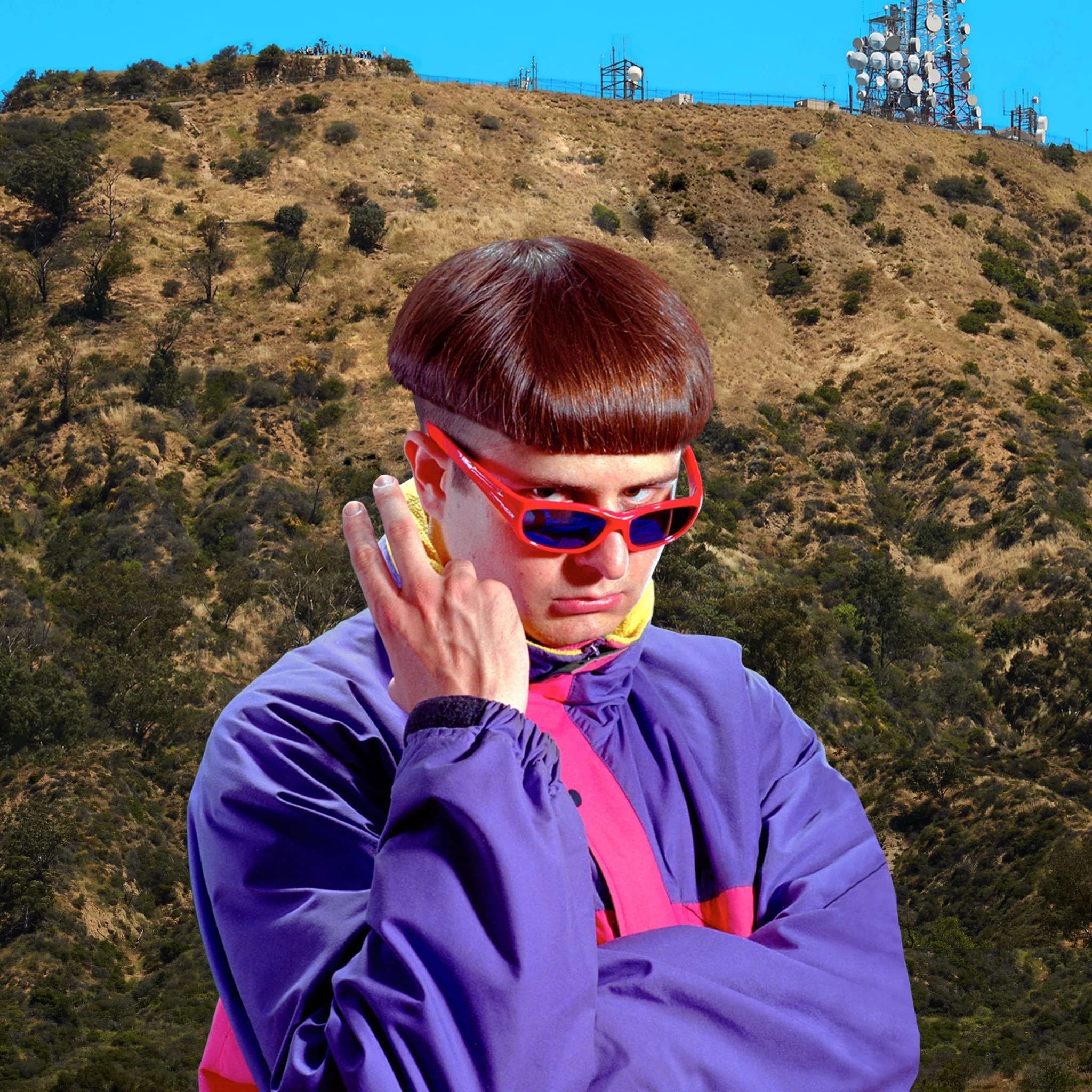
via MCD
Was he a musician? A comedian? A professional troll? An elaborate performance art project that somehow ended up with millions of streams?
Oliver Tree had been in Brazil as part of what he called the biggest tour of his career when he was reportedly killed in a helicopter crash in Rio de Janeiro. He was 32.
According to reports, Oliver was among six people believed to have died after two helicopters collided over Rio de Janeiro on Sunday morning. The aircraft later crashed into a car dealership below, with footage from the scene showing one helicopter spiralling out of control before plummeting to the ground and igniting a fire that engulfed several vehicles.
Just days earlier, Tree had been posting clips from Brazil. In one, he was playing football. In another, he was getting a haircut. The videos were light, chaotic and very Oliver Tree, which is probably why they now feel so difficult to watch.
The answer to what he actually was, really, was all of the above.
View this post on Instagram
With his signature bowl cut, oversized clothes and complete commitment to the bit, Tree built a career by doing the exact opposite of what most artists are told to do. He leaned into being strange. He blurred the line between sincerity and satire. He made videos that felt more like bizarre short films than music videos, and somehow, it worked.
Songs like Life Goes On, Miss You, Alien Boy and When I’m Down became massive online, while albums like Ugly Is Beautiful, Cowboy Tears and Alone In A Crowd showed there was more to him than just the joke.
That is probably why his death has hit fans so hard. Because even if you did not fully understand Oliver Tree, you remembered him. And in an internet full of people trying very hard to look effortless, that is not nothing.
Tributes quickly poured in from across music, entertainment and social media. KSI, who collaborated with Tree on the track Voices, wrote: “You still had so much life to live. So much music to make. So much content to make. You’re a legend and will always be a legend.”
Producer Diplo shared one of the most emotional tributes, calling Tree his “dream collaborator” and describing him as “cooler than everyone”.
View this post on Instagram
“He was like a brother I never had,” he wrote. “I don’t think we’ll ever have another human like this again. No rules. No apologies. He was 1000% himself.”
And maybe that is what people connected with most.
In an internet increasingly dominated by carefully managed personal brands, Oliver Tree felt refreshingly strange. He never seemed particularly interested in looking cool, saying the right thing or fitting into whatever version of celebrity culture happened to be trending at the time.
The irony is that one of the most revealing things we have learned about him emerged only after his death.
In an interview just two months ago, Tree revealed that he had arranged for his wealth to be used to support future artists through a creative foundation after he died.
“The idea is when I die, all the money is going to go back on artists,” he said. He even admitted he believed artists are often appreciated more once they are gone. “People finally appreciate you when you’re not there anymore,” he reflected.
View this post on Instagram
It is an uncomfortable quote to read now.
Because while millions of people knew the character Oliver Tree created, the reaction to his death suggests they were connecting with something much deeper all along. Behind all the theatrics and chaos, was a through and through entertainer, who was always unique and encouraging others to embrace their differences.
And in an industry where so many people are happy chasing second place, never taking risks or straying too far from the norm, there is something powerful about an artist who never seemed interested in doing that.
For someone who built his career on refusing to fit neatly into a box, that might end up being the legacy that matters most.
Words by Andrew Connolly

 100vw, 2560px" />)
 100vw, 1146px" />)
 100vw, 1462px" />)
 100vw, 980px" />)
 100vw, 1192px" />)