Trending 7th July 2026 by Stellar Magazine
Has Hollywood Forgotten How To Make A Movie Star?
Every few months Hollywood seems to decide it has finally found the next movie star.
Instagram / @tchalament
Timothée Chalamet. Glen Powell. Sydney Sweeney. Jacob Elordi. Tom Holland.
The titles get handed out so often that they have almost lost their meaning. Because the more interesting question might be whether Hollywood even knows how to make a movie star anymore.
Because fame and movie star power are not necessarily the same thing. And while these big names are famous, fame alone does not mean people are buying cinema tickets just to see them.
A movie star is somebody that has the ability to convince people to go see a movie purely because their name is attached to it. Their name becomes bigger than the movie itself. Think of the way the audiences followed Leonardo DiCaprio throughout the late 1990s or how Tom Cruise has spent decades turning every release into an event.
View this post on Instagram
The difference today is that audiences are no longer showing up for actors. They are showing up for franchises.
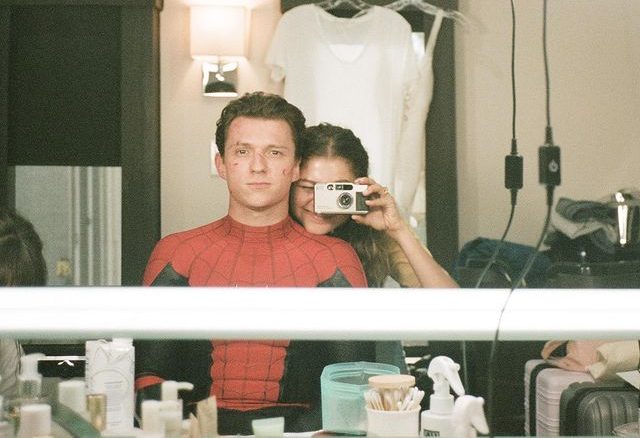
Tom Holland is a great example, as one of the most recognisable actors in the world. He may be the face of Spider-Man, but when he steps outside the Marvel machine, the results are often far less certain. And that is not just a Tom Holland problem. The same can be said for a lot of actors who take on these huge legacy roles, because the character can become so much bigger than the person playing them.
That is where the whole idea of the movie star starts to get a bit blurry. Instead of audiences seeing Tom Holland and Emma Watson in a rom-com, it becomes, “How on earth did Spider-Man and Hermione Granger end up together?” Funny, yes, but also kind of the problem. When the franchise character follows an actor into every other role, it becomes harder for them to sell a film as themselves.
And that is the issue with legacy roles. Once an actor becomes too closely tied to one famous character, audiences can struggle to meet them as anyone else. They are not watching Tom Holland play a troubled young man in a Netflix drama, they are watching Spider-Man look sad in a different outfit.
Instagram/@tomholland2013
And streaming has further accelerated the shift. Movie stars were built in cinemas. Going out to see a new film always came with a bit of risk. Would it be good, or would it end up feeling like a waste of time and money? One-way audiences curbed that risk was by trusting big-name actors, because their presence usually meant the film was at least worth a watch.
But now many films are released now arrive on streaming platforms, trend for a weekend and disappear by the following week. Actors no longer dominate the conversation in the same way because the content itself moves too quickly.
Social media has also changed the rules.
Part of what made classic movie stars so fascinating was the mystery surrounding them. Fans knew very little about their daily lives. There was always a sense that they existed somewhere slightly out of reach.
But now celebrities are expected to share everything about their lives. Sydney Sweeney might be one of the most talked about actresses in Hollywood, but everyone knows what brand deals she is doing, where she went on holiday and who she might or might not be dating. Every aspect of their lives are documented and the mystery that once helped create movie stars has largely disappeared.
View this post on Instagram
That is not necessarily the actors’ fault either. Studios increasingly view social media followings as part of an actor’s value. Being talented is important, but so is bringing millions of followers who can help market a project.
And this results in actors that feel more like influencers than movie stars.
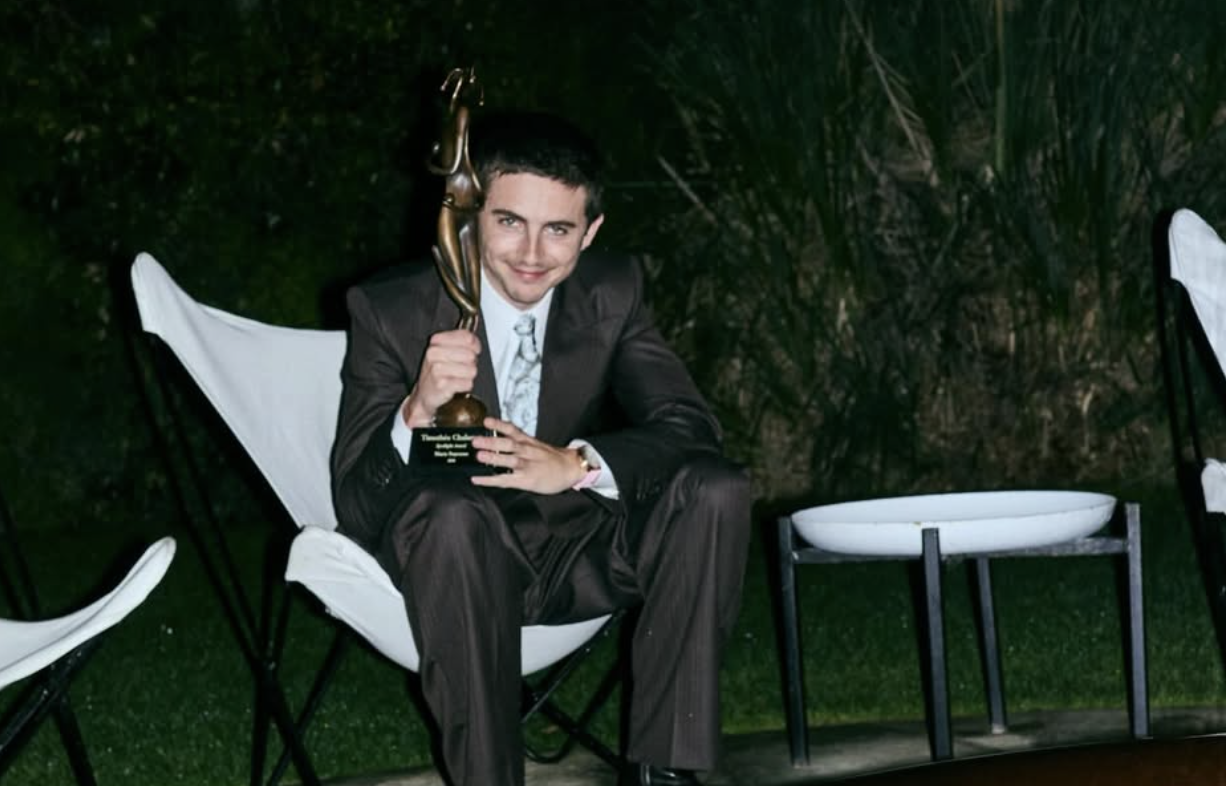
Perhaps the closest thing this generation has to a traditional movie star is Timothée Chalamet. He has managed to balance blockbuster franchises with prestige projects and remains one of the few actors whose name genuinely generates excitement. But even Chalamet exists in a different space than the movie stars, social media dominates and mystery is set aside in favour of engagement.
The reality is that Hollywood may not be failing to create movie stars at all. It may simply not want them anymore. Movie stars were powerful because audiences followed them. Franchises are powerful because studios own them.
And in an industry increasingly driven by streaming algorithms, cinematic universes and social media engagement, that might be exactly the point.
The next Tom Cruise probably already exists somewhere in Hollywood. The question is whether the modern industry would even allow them to become one.
Words by Andrew Connolly

 100vw, 1232px" />)
 100vw, 1588px" />)
 100vw, 1226px" />)
 100vw, 1422px" />)
 100vw, 1690px" />)