Trending 7th August 2026 by Jade Hayden
EYNTK About August’s Rare Irish Solar Eclipse
A once in a lifetime experience!
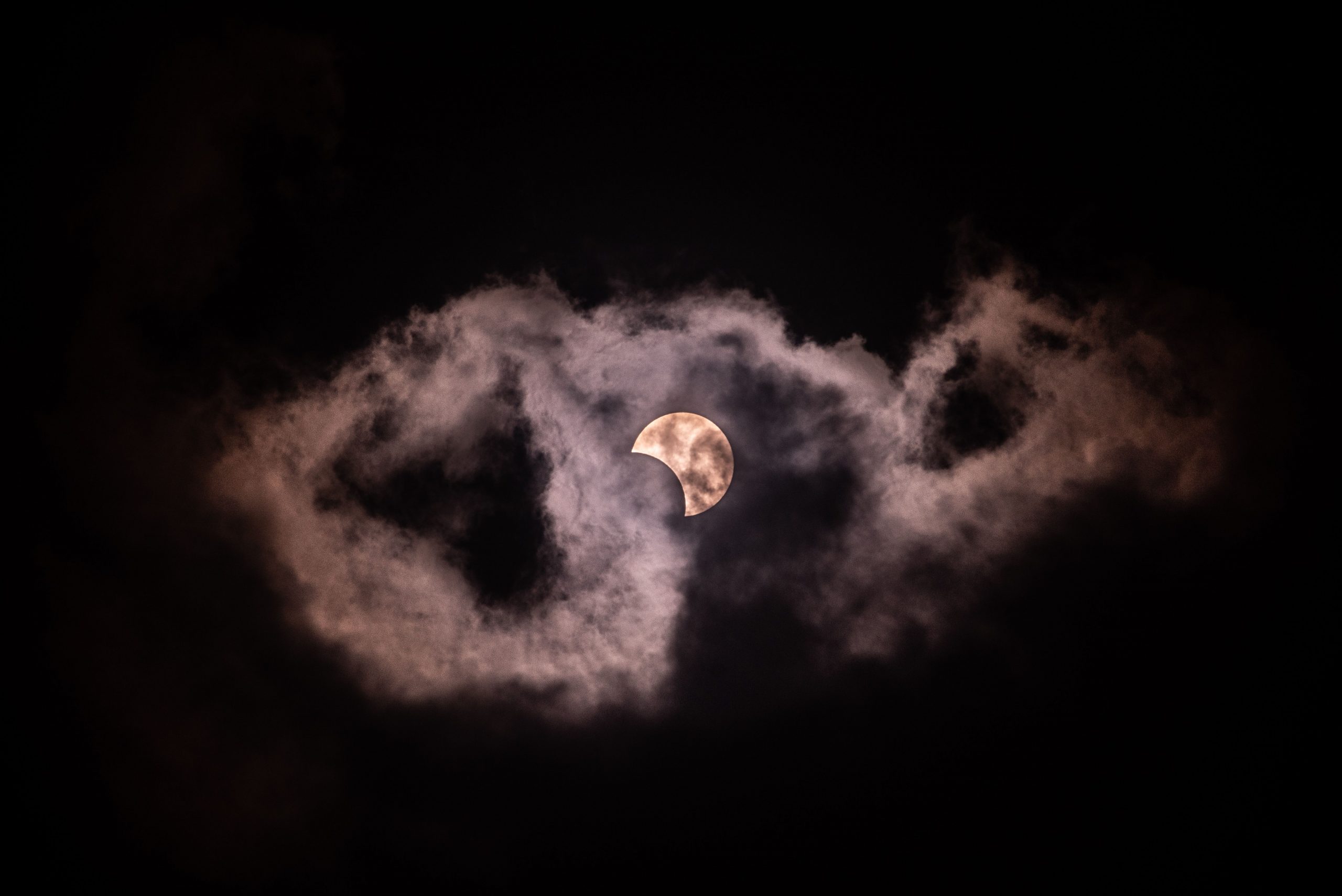
via Pexels
A solar eclipse – an event so rare and so exciting that we won’t see the likes of it for another 65 years or so.
This month, the moon will cross over the sun on the evening of August 12th, leaving shadows cast across the country.
Although this won’t be a total eclipse, it will still be fairly significant, with up to 97% visibility in the southwest of the country, and up to 98% in the likes of Kerry.
The event will begin just after 6pm and will last for approximately two hours, with maximum visibility kicking off halfway through the eclipse.
Prof. Peter Gallagher, said: “The 2026 eclipse is a rare opportunity for people across Ireland to connect with science and look up at the sky with a sense of wonder.
“Whether you’re attending an organised event or viewing it from your garden, we encourage everyone to do so safely and take a moment to appreciate the extraordinary alignment taking place above us.”
So, you want to watch the eclipse and enjoy a spectacle that won’t happen again in our lifetime? The Dublin Institute for Advanced Studies have some tips.
View this post on Instagram
1. Never look directly at the sun
Looking directly at the sun without proper protection can cause permanent eye damage, even when most of the sun is covered by the moon. Ordinary sunglasses do not provide sufficient protection.
Never point a camera, telescope, binoculars or mobile phone directly at the sun without the appropriate solar filters. Doing so can damage equipment and pose a risk to eyesight.
2. Use certified eclipse glasses or make your own eclipse viewer
Anyone planning to view the eclipse directly should either use internationally certified solar eclipse glasses or make your own eclipse viewer, using cardboard and a small pin-sized hole.
The cardboard projector projects an image of the sun onto a surface, allowing you to safely observe the changing shape of the sun as the moon passes in front of it.
Pinhole Projectors projects are easy to make, completely safe and a great way to get children involved in the event – for a tutorial on how to make on, visit the DIAS Dunsink Instagram page.
3. Choose your location carefully
The farther southwest you travel, the greater the percentage of the sun that will be covered by the moon.
Find a location with a clear, unobstructed view of the western horizon and try to arrive early if attending a public viewing event.
4. Make it a shared experience
The eclipse offers a fantastic opportunity to learn more about space science with family and friends.
Many astronomy groups and observatories around Ireland will host public viewing events on the day.
5. Learn the science behind the spectacle
During the eclipse, scientists will use a specially designed telescope known as E-CorMag to observe the outermost layer of the sun’s atmosphere, called the corona. They will investigate the magnetic fields that shape this super-heated region of the solar atmosphere.
The research will contribute to a better understanding of space weather and how activity on the sun can affect technologies here on earth.
Happy eclipsing!

 100vw, 1342px" />)
 100vw, 1598px" />)
 100vw, 2560px" />)
 100vw, 2560px" />)
 100vw, 2560px" />)