Trending 28th July 2026 by Jade Hayden
So, What Do You Do If You Can’t Use Retinol?
Dw, there's options
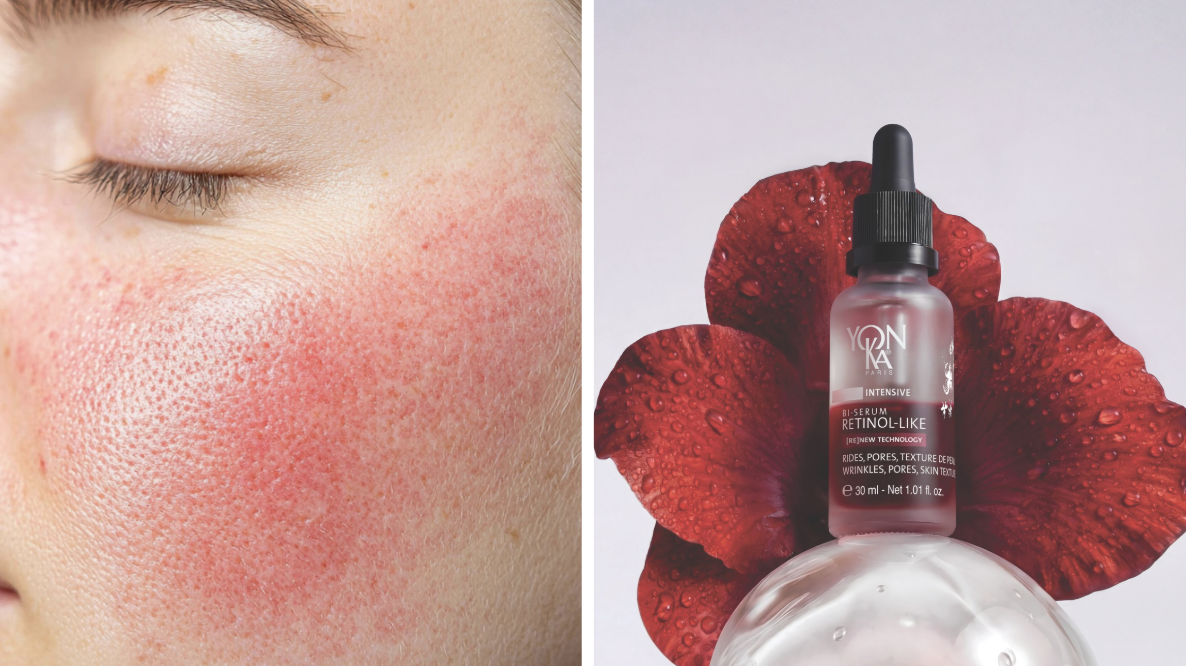
You can’t spell ‘skincare’ without ‘retinol.’
Well, at least that’s what they’d have you believe if you venture into SkinTok looking for some deets on how to begin your skincare journey.
You start slow. You build it up. You allow your skin to purge until you’re left with a plump, youthful glow alá only the best facial treatments, all from the comfort of your own home.
But what if the purging never stops? What if your face is overly sensitive to actives? What if your skin just doesn’t like retinol?
Vitamin A isn’t for everyone – whether because of skin issues like rosacea and eczema, or because of pregnancy and breastfeeding, there are plenty of reasons why retinol might not react well with your skin.
But when retinol has become the gold standard for top tier skincare, it can be frustrating to see so many people get so many results if you’re stuck using a low impact serum for sensitive skin.
According to Shannon McCreery, skincare expert and National Educator for Yon-Ka Ireland, there are a lot of people out there who want Vitamin A-like results, ideally without using Vitamin A.
@belzkys your sign to start usimg retinol too in your 20s✨🥹 #retinolserum #retinolskintific #rekomendasiretinol #retinolmoisturizer #acneskin ♬ original sound – Charlotte ᥫ᭡
“Retinol has absolutely earned its reputation as one of the most effective anti-ageing ingredients available, but the reality is that it simply isn’t suitable for everyone,” she says.
“Every week we speak to people who have experienced irritation, have very reactive skin or have been advised to avoid Vitamin A altogether.”
So, what’s the alternative? Well, you can either wish your dreams of collagen heavy, pore-less, smooth AF skin goodbye. Or, you can use an alternative.
Just because retinol is one of the most popular results-driven serums on the market, doesn’t mean it’s the only one. There are plenty of less harsh, more natural options out there, ideal for those of us with skin that can be a bit reactive.
Yon-Ka have just launched their own – Bi-Serum Retinol-Like, a product that gives the skin a break from Vitamin A, while still helping to maintain solid anti-ageing results using plant alternatives, Biomimetic Microalgae and an Active Fraction of Mastic Tree.
There’s also ELEMIS’s Pro-Collagen Renewal Serum, made using Padina Pavonica, red microalgae, alfalfa and stevia extracts, and L’Occitane’s Immortalle collection, which is made with 100% Organic Essential Oil – both promising to deliver retinol-like results with natural ingredients.
Or, if you want to get a little more concentrated, Bakuchiol and rosehip oil are well known alternatives to retinol, with benefits including skin regeneration, improved elasticity, and reduced fine lines.
Also, you don’t need to be easing your skin into these treatments.
Unlike retinol, there’s no building up needed. No changes to your nighttime routine, no wondering if you’ve left enough days between applying, no worrying if the breakout on your forehead is normal or a reaction worth being concerned about.
Shannon says that plant focused alternatives offer …”visible anti-ageing performance without the usual compromises.”
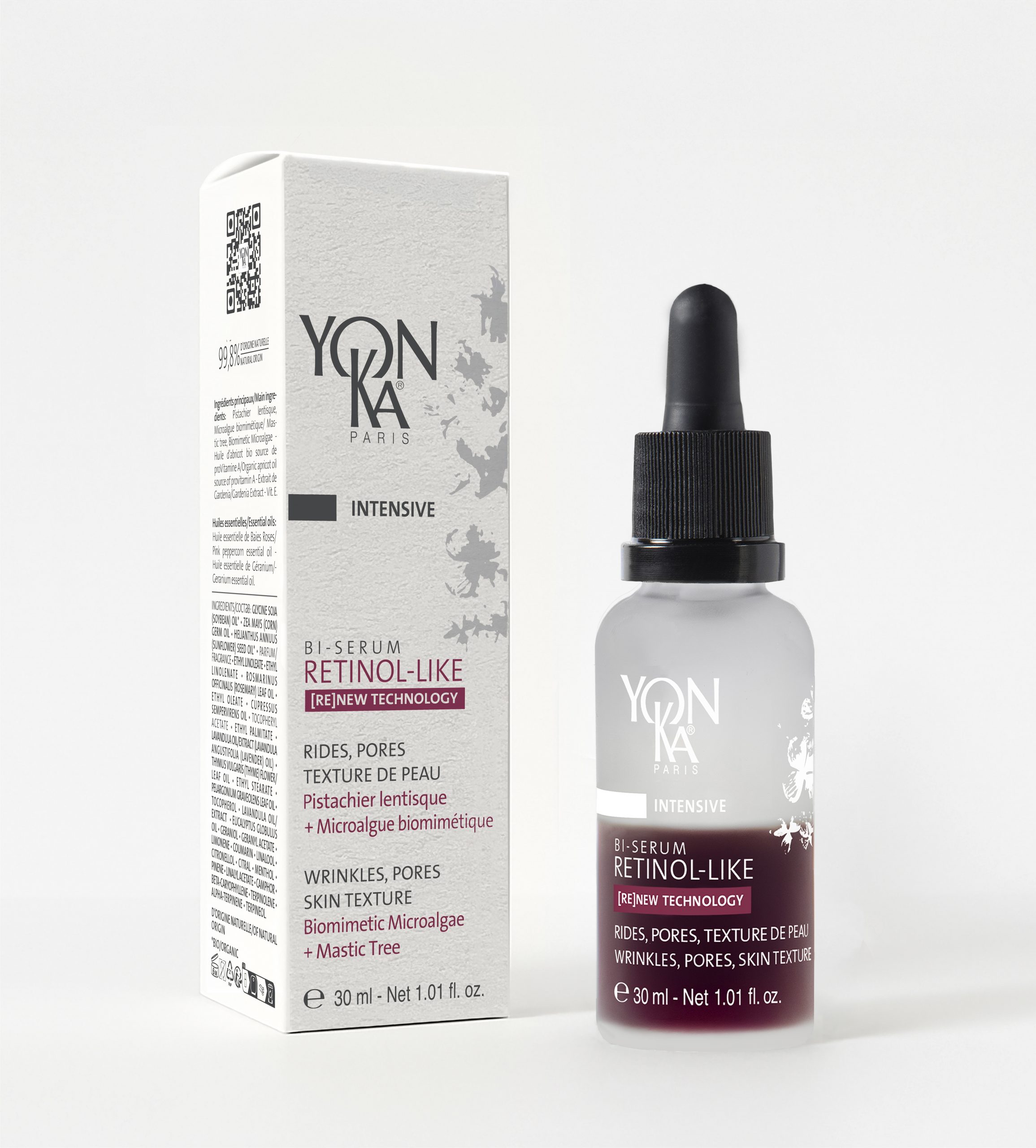
Yon-Ka Retinol-Like Bi-Serum – €129
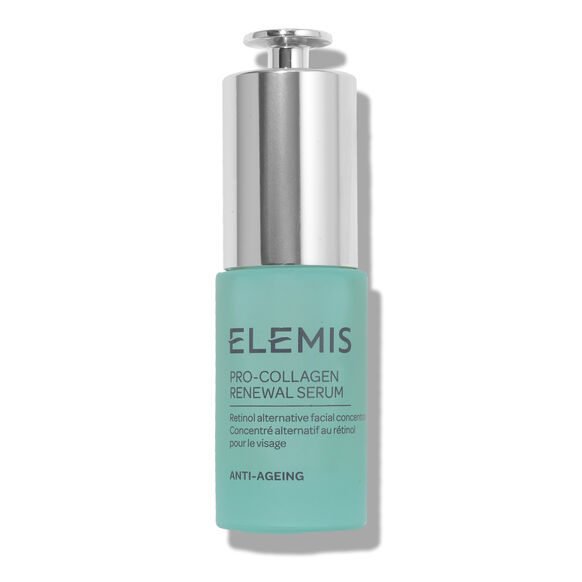
ELEMIS Pro-Collagen Renewal Serum – €89.70
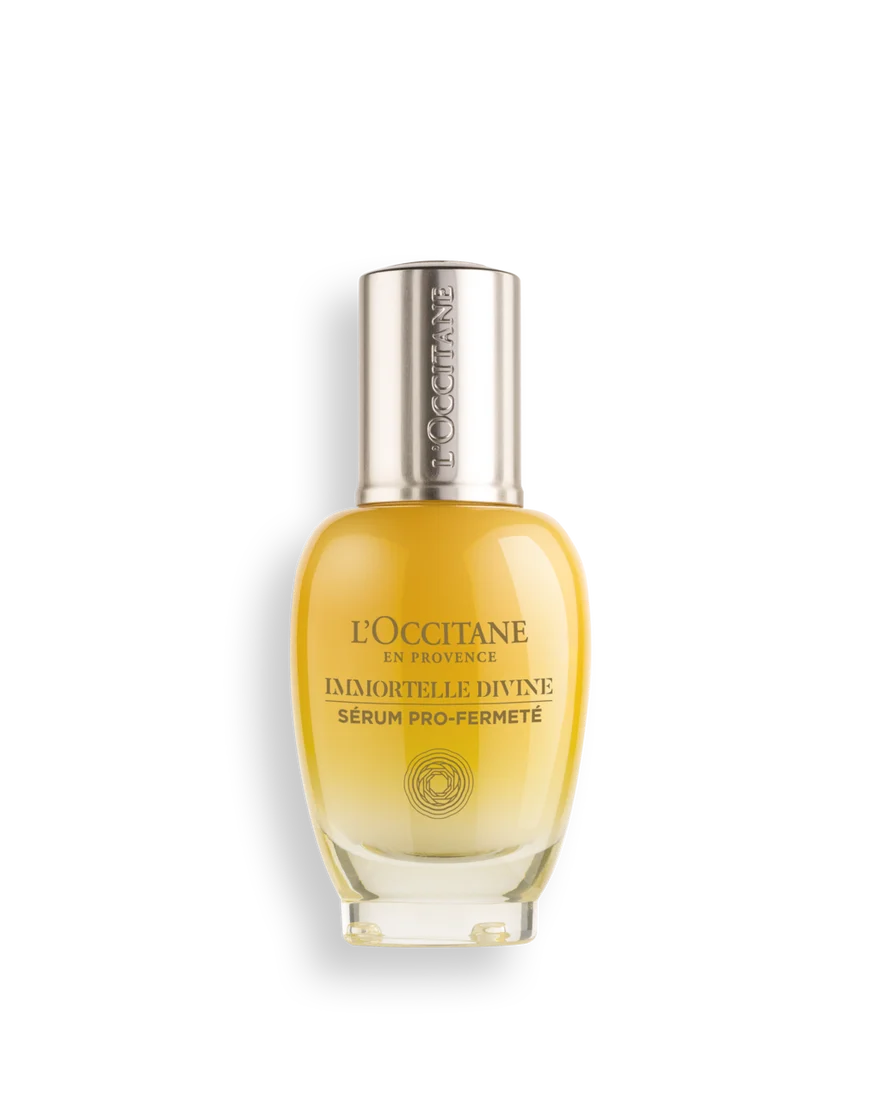
L’Occitane Immortalle Divine Pro-Firming Serum – €99
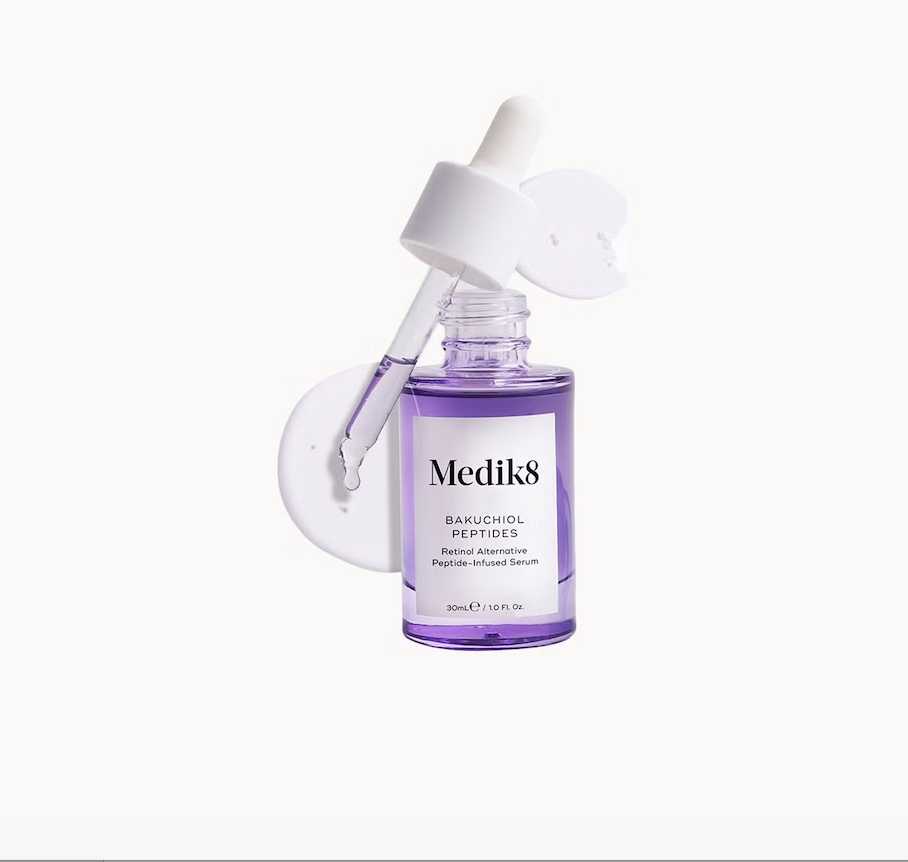
MediK8 Bachukiol Peptides – €63.25
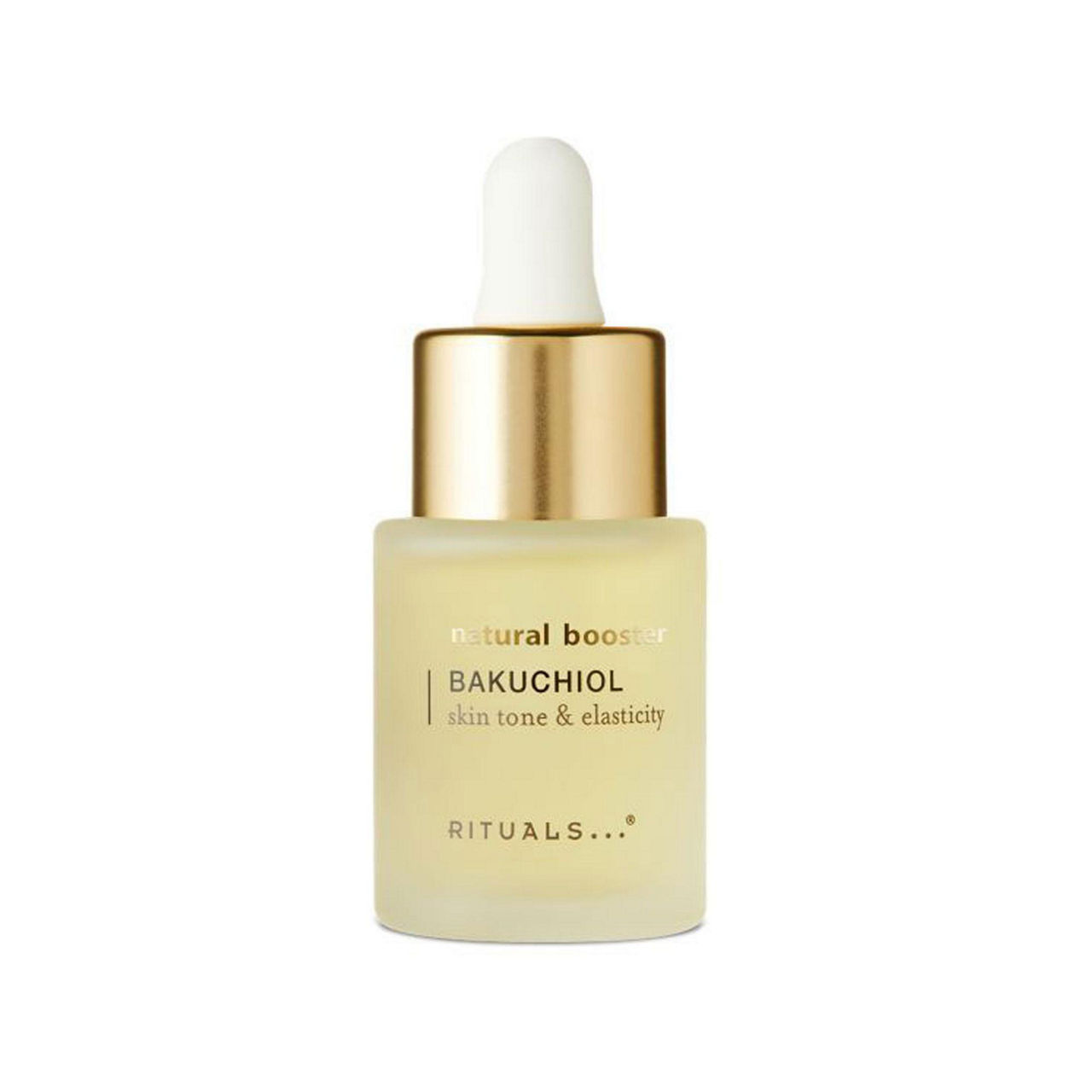
Rituals The Ritual of Namaste Bakuchiol Natural Booster – €22.90
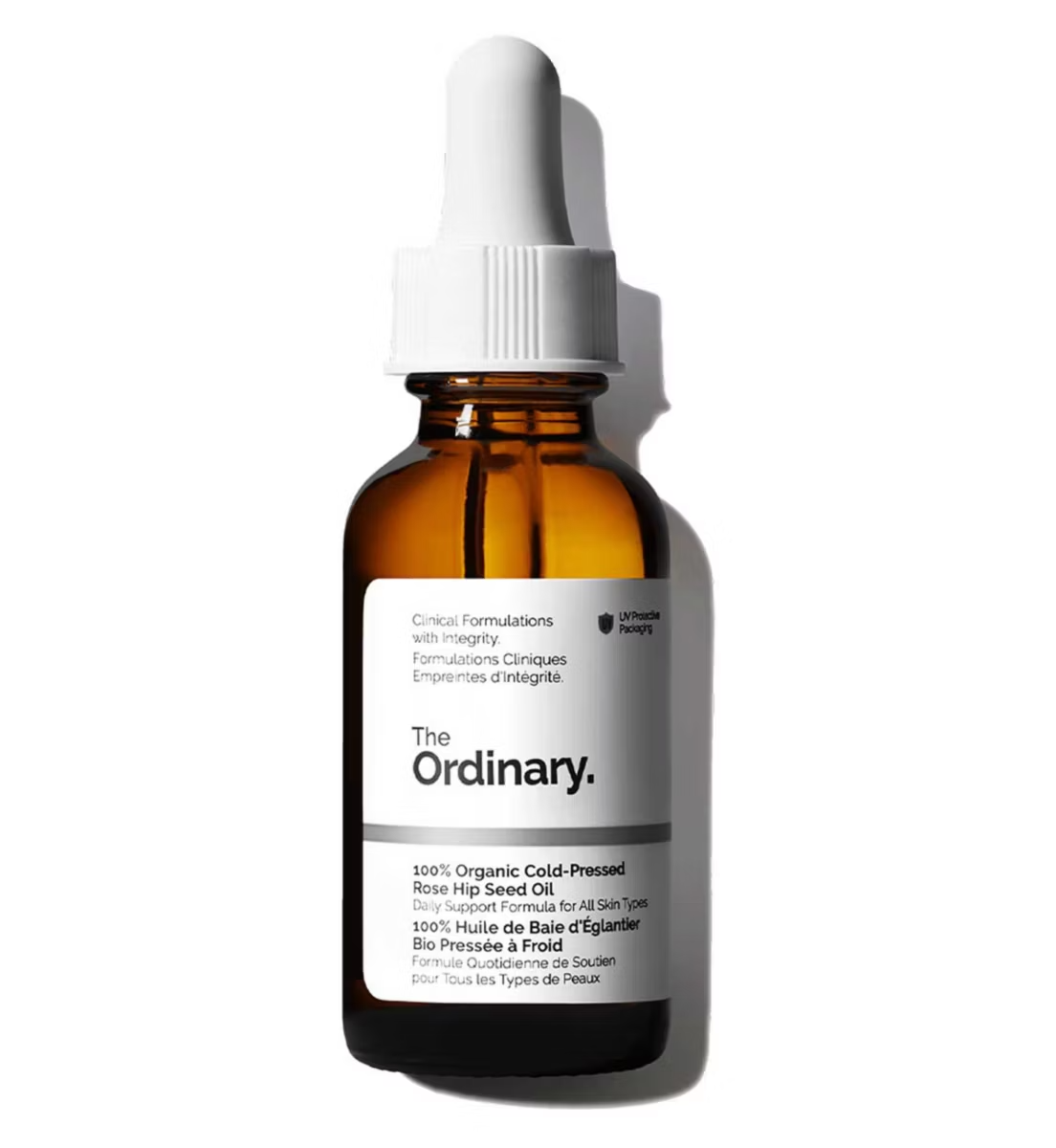
The Ordinary 100% Organic Cold Pressed Rose Hip Seed Oil – €11.70

 100vw, 2048px" />)
 100vw, 1186px" />)
 100vw, 1186px" />)
 100vw, 1638px" />)
 100vw, 1186px" />)