

Trending 13th July 2026 by Stellar Magazine
From Take Me Out to Pop The Balloon: The Evolution Of Modern Dating Shows
We've come a long way since 'no likey, no lighty'
via ITV
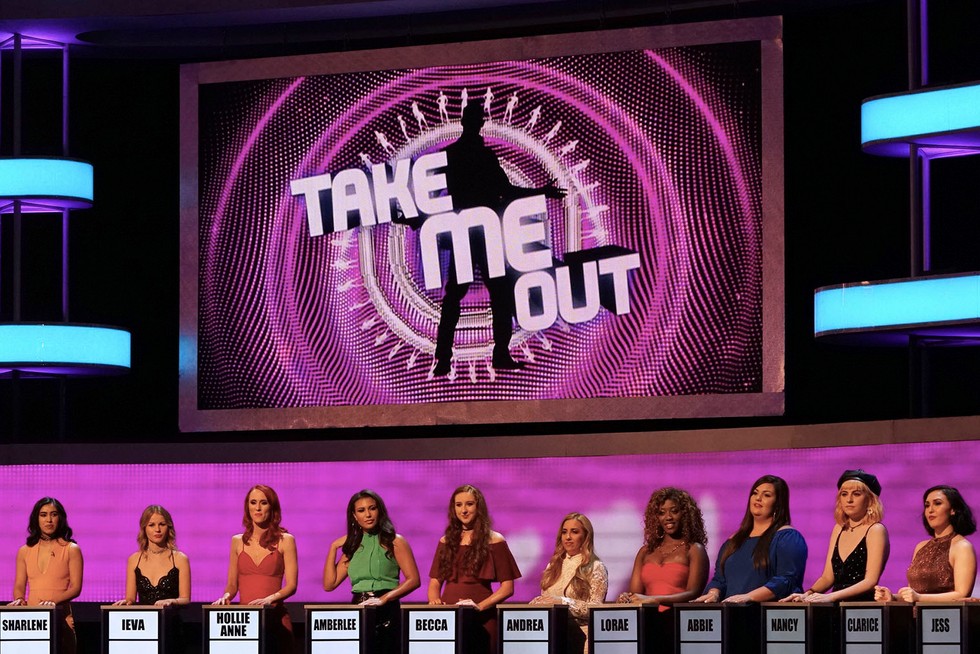
Before we had luxury villas on exotic islands, viral TikTok clips, influencers with armies of supporters and brutal public rejections, we had Take Me Out. The idea was simple: thirty women, thirty lights, one man, and Paddy McGuinness’s iconic catchphrase, “no likey, no lighty.” So much of dating show culture has changed since its debut in 2010, but when you break it down the concept is still the same: attraction, rejection, spectacle and a devoted audience.
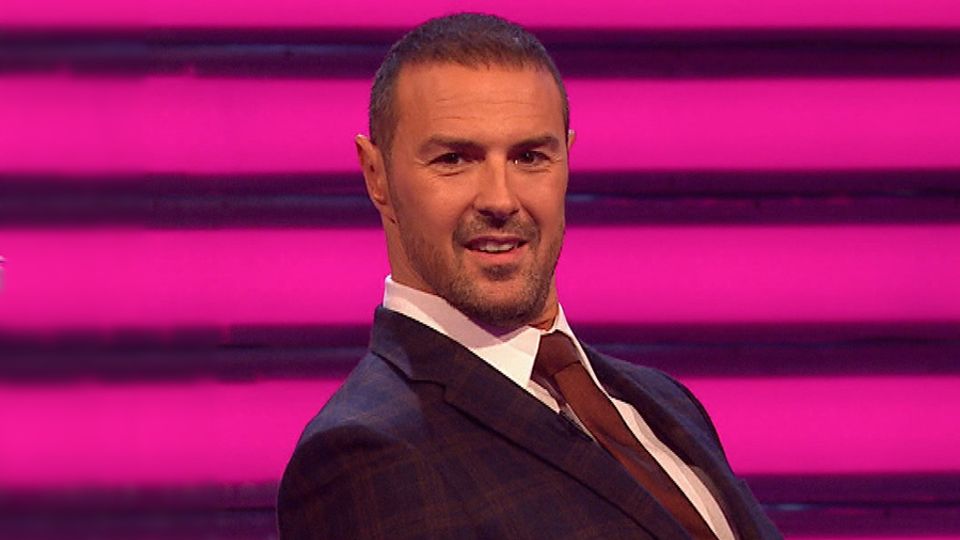
But what made Take Me Out so iconic? It was the definition of cheesy Saturday night TV. Presented by Paddy McGuinness, the show first aired on ITV in the UK before making its way to TV3 in Ireland. The show had an iconic run, lasting 11 seasons before finally wrapping up in 2019.
The format was simple, but that’s what made it so genius at the time. A single man had the objective of trying to obtain a date with one of thirty single women. Each woman stood on stage under a light with a button in front of her, which she could press whenever she decided the man wasn’t for her. The single man had to persuade these women to agree to a date through a series of rounds, which included playing a prerecorded video introducing us to the bachelor, demonstrating a skill to try and woo the ladies, or the man’s friends or family members revealing more about his virtues.
If there were still women left by the end of the three rounds, the man had to turn off all but two of the ladies’ lights. He would then ask them a single question, their answers would determine which one he chose to go on a date with.
Sometimes, all the ladies’ lights would be off before the 3rd round, to which the man would have to leave the show without a date while Céline Dion’s ‘All By Myself’ played in the background. Ouch.
via ITV
The show just worked. It felt like everybody’s mam was watching Take Me Out on a Saturday night with a glass of red wine. There were a few reasons why the show was so iconic. One of the biggest was host Paddy McGuinness and his famous catchphrase “No likey, no lighty.” The show was glossy, polished and very easy to understand, which made it one you could watch with your nan without cringing at any super inappropriate moments.
Even its rejection moments were a lot more fun and less humiliating than what we see on current reality TV dating. Overall, the show became a real cultural phenomenon, it even had its own board game released in 2011, (my dream date, honestly). As a result of Take Me Out we got real love too, as eight couples got married and six babies were born to contestants who met on the show.
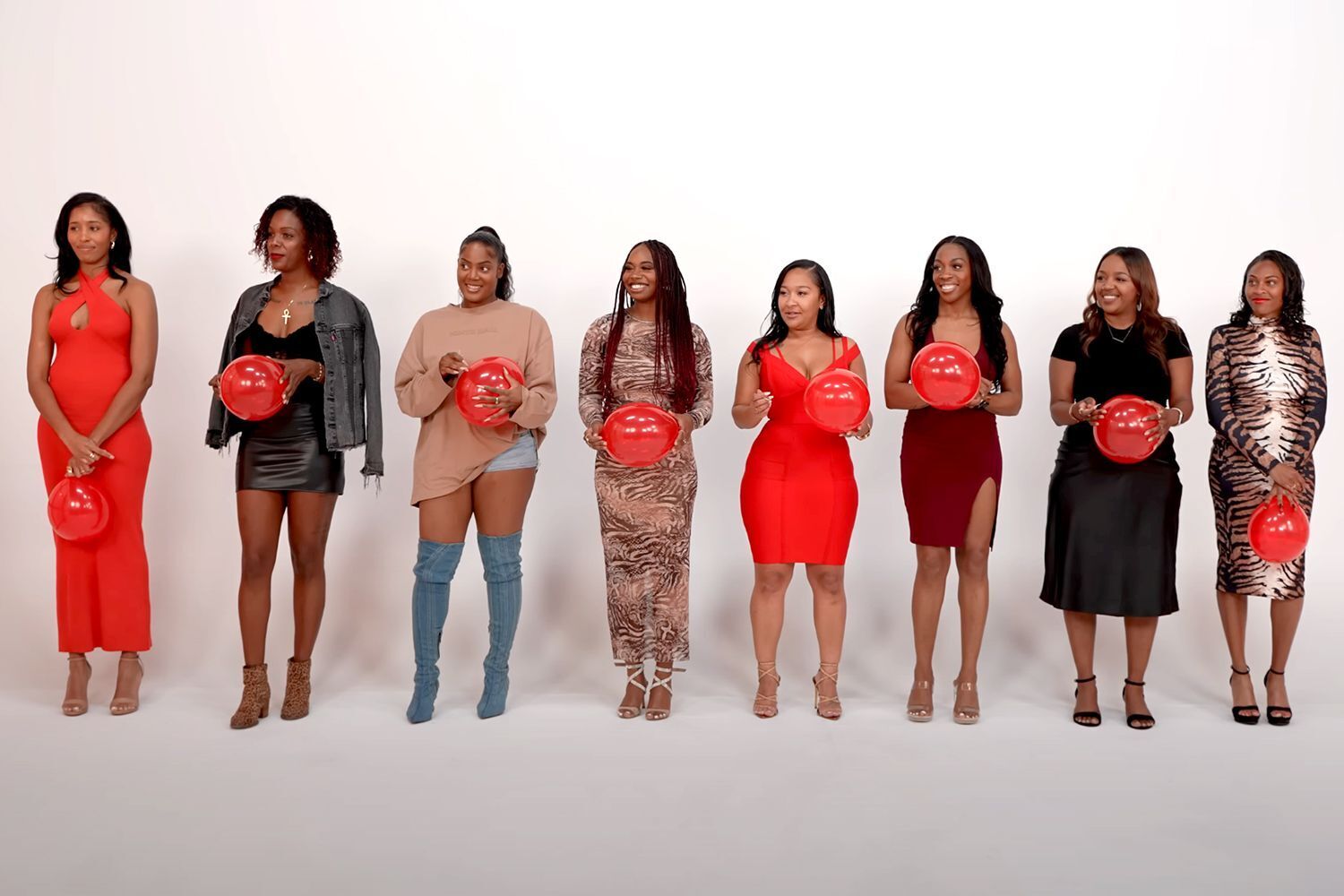
Take Me Out’s raw, online Gen-Z cousin would have to be the YouTube phenomenon, Pop the Balloon or Find Love. The internet show was created by Arlette Amuli and Bolia Matundu, and the format is similar to that of Take Me Out, but the production is less Saturday-night TV and more suited to the YouTube era. However, the concept has proven successful online with plenty of viral moments. The idea is simple: a group of single men or women line up holding a red balloon. If a contestant hears or sees something they dislike, they pop their balloon to reject the suitor. This has led to candid, often brutal on-the-spot interviews about their dealbreakers.
Unlike the heavily produced Take Me Out, the YouTube show became a phenomenon thanks to its raw, unfiltered reactions, making it a heavily debated topic online. The series gives an intimate, unpolished look at modern dating, often exploring taboo topics when it comes to choosing a future spouse like financial expectations, physical attractiveness and cultural backgrounds. The show has had many viral moments for contestants’ hyper-specific dealbreakers, from receding hairlines to empty pockets. These contestants really don’t hold back when confronted with why they wouldn’t date the single person in question.
via YouTube
Pop the Balloon is like Take Me Out’s wild, low-budget alternative, but it has the same format: someone steps forward in an effort to attract a partner, the group must figure out if they’re interested, and rejection becomes part of the entertainment. While it may not be one to watch with your nan, Pop The Balloon is less of a traditional TV watch and more of a raw, and occasionally brutal vibe, which is exactly why it works online. Where Take Me Out turned rejection into glossy Saturday-night entertainment, Pop The Balloon turns it into viral internet content.
It doesn’t have the same format, but we can’t talk about dating shows without mentioning Love Island. Although Love Island doesn’t have the same stage production, there are many similarities between it and the others: flirting, public judgement, catchphrases, rejection, and an audience more committed than most sports fans.
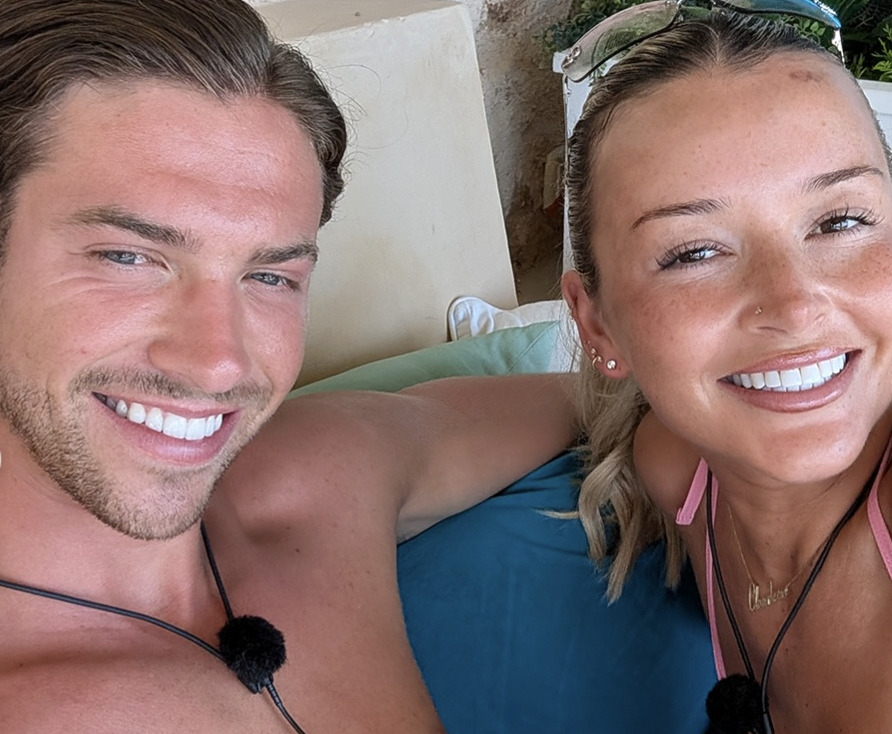
The difference is that Love Island has completely revolutionised how we watch dating shows, instead of waiting weekly for episodes to drop, episodes are often filmed and aired within a 24 hour window, allowing its audience to experience the drama almost in real time. Fans are fed a daily cultural event rather than waiting weekly for episodes. The show also pioneers a new career trajectory for its participants, which we’ve seen recently with our own Charleen Murphy who recently left the island.
In the days of Take Me Out, the participants had their moment and were generally never heard of ever again. Love Island took the dating show formula one step further. Instead of just seeking love, contestants aim to build massive social media followings and brand deals, turning the show into a bit of an influencer factory. This goes perfectly with Love Island’s fast-paced production, fans can turn iconic moments into viral reels and TikToks overnight, completely changing the dating show game.
via ITV
One thing both these shows have in common is public rejection. And public rejection is putting it lightly, these people are putting themselves out there only to have their entire bloodline roasted online if they’re not up to the standards of the picky single contestants. A dating reality show that takes a different, softer approach would be the famous First Dates. Unlike Love Island and other shows, First Dates went in the opposite direction. The contestants are more so just ordinary people looking for love, as opposed to savage game show rejection.
First Dates’ authentic approach has led to its enormous success. What started out as a British show has developed its own local versions, with our very own First Dates Ireland being filmed in Dublin.
Its intimate setting allows contestants to be a lot more relaxed compared to other dating shows. It’s a lot less invasive with its camera work so couples can forget that they’re being filmed at all, giving us an insider look at a real, blind first date.
First Dates strips away the glamour and polished look of a typical Saturday-night TV show and focuses on the blind date itself. The show’s real tension comes from watching the couple say to each other’s faces whether they want to see each other again. The results vary between cute, wholesome moments to something slightly more awkward.
But what has actually changed since the days where Take Me Out graced our TV screens every Saturday night? We’ve seen dating shows move from a polished, cheesy studio entertainment to online productions, internet drama, viral clips, influencer careers and more emotionally exposed formats. Aside from this, the basics remain unchanged: people choosing one another, rejection, flirting, judgement and a crazed audience analysing every move.
Though we may not get the glory of witnessing Paddy McGuinness rile up the crowd with his famous catchphrase, we can still see Take Me Out’s DNA in plenty of popular, contemporary dating shows that we see on our screens. The glitz, glamour and bright studio lights may be gone, but dating reality TV is more popular than ever. The technology, production style and platforms may have evolved, but audiences still tune in for the exact same thing: the thrill of watching strangers navigate romance, rejection and everything in between.
Words by Katie Walsh

 100vw, 980px" />)
 100vw, 980px" />)
 100vw, 986px" />)
 100vw, 960px" />)
 100vw, 1506px" />)