Trending 30th June 2026 by Stellar Magazine
Have We Lost The Golden Age Of Reality TV?
The whole thing feels more like an audition than a reality show.

via Channel 4
Why does every reality TV show nowadays seem to revolve around a group of half-naked people sitting on a tropical island, each with hundreds of thousands of Instagram followers and speaking as though they’re waiting for one of their lines to become the latest sound on TikTok? Modern reality television has started to feel a bit like Groundhog Day. Every contestant seems to be perfectly polished and sun-soaked, seemingly waiting for the brand deal or podcast guest spot to roll in once they have secured a monetisation-friendly reputation and filming ends.
Reality television in the 2000s and early 2010s couldn’t have felt more different. Producers seemed determined to assemble the strangest collection of ordinary people possible, place them in bizarre situations and wait patiently to see what happened.
Since then, social media and our phones have changed how we present ourselves, and reality television has changed with them. The people appearing on these shows are far more aware of how the experience could transform their lives if they play their cards right, but what has that done to the viewing experience?
It might not have been for everybody, but older reality television was hilariously unpredictable. Channel 4 cult classics regularly brought ordinary working-class people, their homes, jobs and communities onto our screens. You had the feeling that anybody could appear, not just people who looked like they belonged in private luxury villas. The contestants could have been anybody: your next-door neighbour, your local shopkeeper or the mad auld fella from down the road. That was what made these shows so perfect.

via Channel 4
Contestants with absolutely zero media training made for hilarious television. These people didn’t give a toss about social media, brand deals or, at times, even their own reputation.
That low-stakes environment allowed their personalities to become the entertainment. It wasn’t an audition for an influencer career. It was an episode filled with awkward silences, strange behaviour and moments that felt as though they had barely been polished at all.
Of course, reality television was every bit as manipulated then as it is now. Producers still carefully chose particular participants and crafted bizarre situations. However, the people involved had far less control over their public image. It wasn’t always the format that made these shows entertaining. Sometimes, it was a personality you could never have invented.
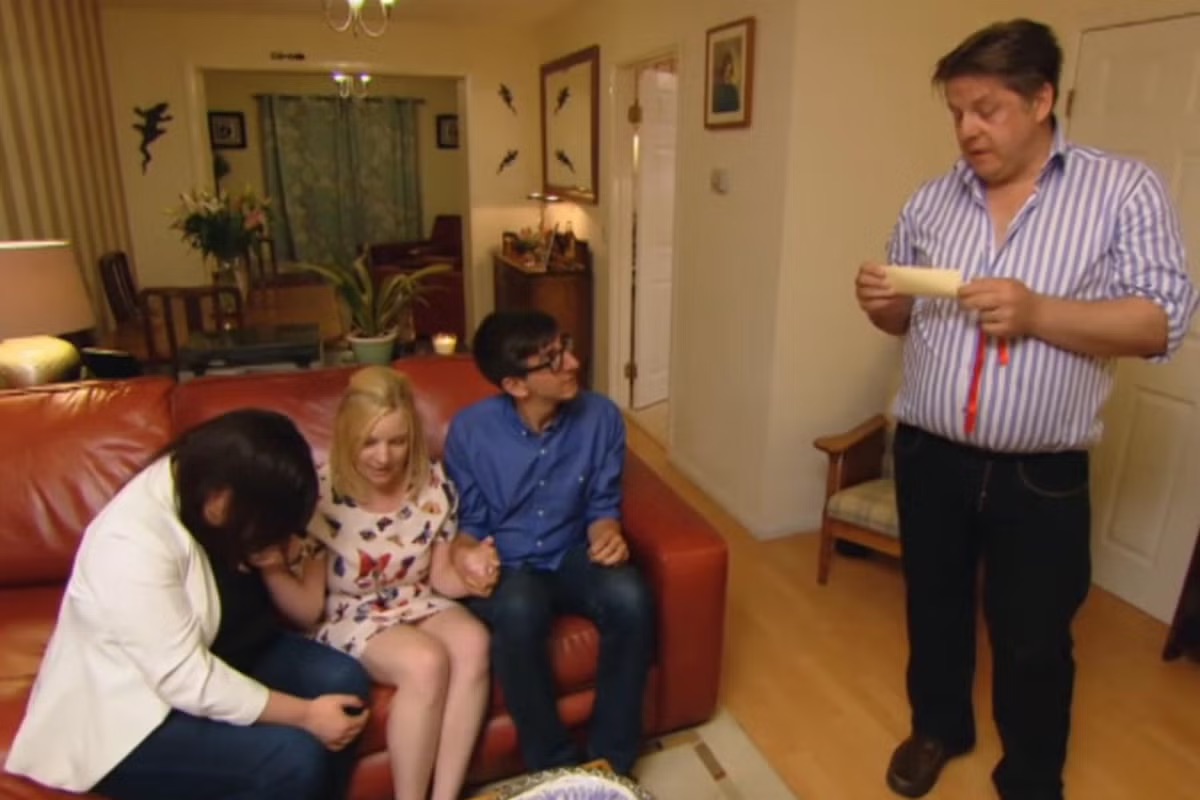
Come Dine With Me is, in my opinion, the perfect representation of this golden age of television. The concept was simple: a group of strangers took turns hosting dinner parties for one another in their real homes. It almost felt as though producers had asked themselves, “Which personalities can we find that will clash the hardest?” Extremely questionable meals were cooked, bedrooms were inspected, naughty items were discovered in the homes of the most unsuspecting participants and petty grudges quickly began to form.
The show didn’t need a tropical setting, an enormous cash prize or contestants who looked as though they had been cast from Instagram.
via Channel 4
Come Dine With Me worked because participants couldn’t hide behind a carefully crafted image. It was so memorable because none of it felt polished, and whatever went unspoken was already being outrageously pointed out by the narrator. The enormous range of ages, occupations, personalities and lifestyles regularly created hilariously disproportionate conflicts and genuinely memorable moments.
But older reality television wasn’t all ordinary people. The Simple Life captured celebrity culture before influencer culture took over. It featured Paris Hilton and Nicole Richie, two wealthy socialites who were sent to live in rural communities and attempt ordinary jobs.
Not much work happened, obviously, but the show felt sillier than most celebrity reality television does now and far less tightly managed. Most of the entertainment came from the unpredictable interactions between the two socialites and the ordinary people they met along the way.
Celebrities were still known for carefully created personas, but they didn’t have to monitor every sentence and maintain a monetisable personality across their social media accounts. It wasn’t their celebrity status that made The Simple Life so good, but the genuinely strange and entertaining encounters we got to watch. Older reality television seemed to rely on creating unexpected situations rather than repeating an already successful formula.
via ITV
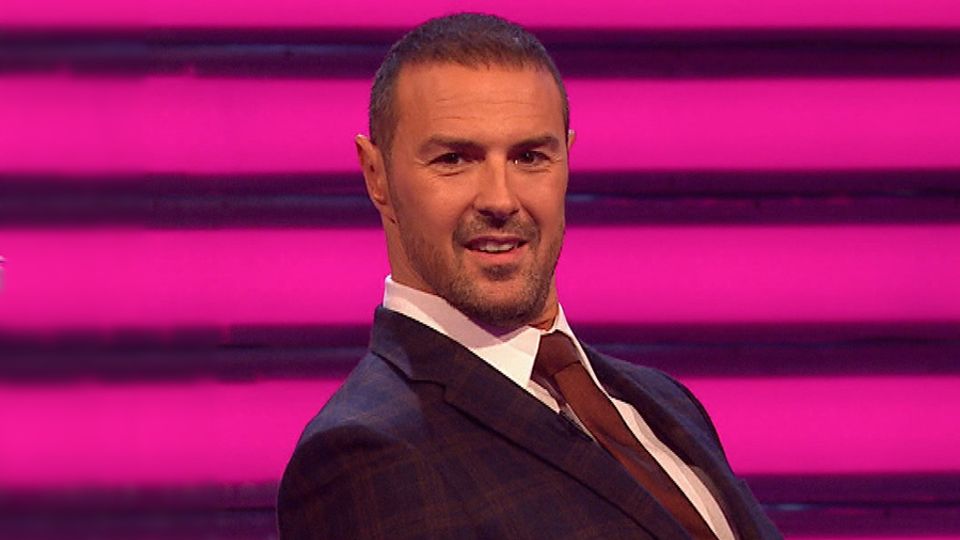
Reality television once seemed far more willing to be ridiculous. Take Take Me Out, for example. Everybody’s mam was watching it with a glass of wine after dinner in 2011. It was loud and camp, with one man attempting to impress at least one of 30 women on stage. He attempted to win them over with bizarre talents, questionable dance routines and embarrassingly enthusiastic family members. Once the women lost interest, they could switch off their lights: “No likey, no lighty.”
With its iconic catchphrases and Paddy McGuinness as the host, Take Me Out felt like a communal event. It was the type of proper Saturday-night television everybody discussed afterwards. The humour came from contestants being unafraid to embarrass themselves, rather than trying to deliver a perfectly polished image. Take Me Out proved that a dating show could be simple and ridiculous. It didn’t need to place supermodel-esque strangers in a villa and pretend they were earnestly searching for true love. By comparison, much of modern reality television feels as though it is playing things safe.
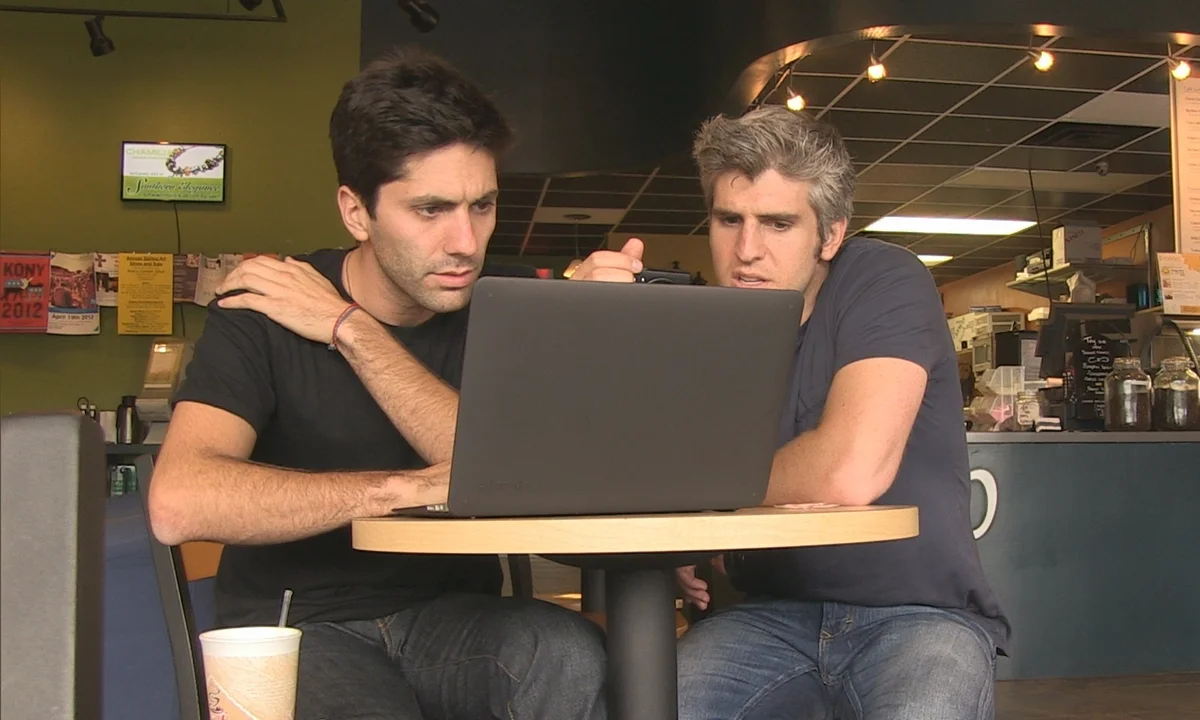
A reality television show that bridges the gap between a world before and after social media would have to be MTV’s Catfish. The show began in an era when people could easily pretend to be somebody else because video calls and social media profiles were not as embedded in everyday life as they are now. The show followed people who were trying to discover whether an online relationship and the person behind the screen were genuine.
It represents a period when social media and dating apps were beginning to grow, but people had not yet learnt to use them to polish every aspect of their identity online. Our online identities have since become central to our everyday lives, and modern reality television reflects that.
via MTV
But what has actually changed about reality television over the last 15 years? I don’t think it is entirely about the shows themselves, but how social media has turned everybody into a personal brand. Contestants now have to worry about old posts being investigated, whether their follower count will rise while the show airs and whether something they say could become a viral clip overnight. The consequences of appearing on reality television now feel considerably higher.
Modern-day participants face the difficult task of protecting their reputations while also trying to become memorable enough to remain on the show. Older participants worried about being embarrassed on television. Modern-day participants know that the embarrassment could mark either the beginning or the end of their careers.
But it’s not just social media that has changed reality television. Netflix-style reality shows are known for their glossy, cinematic production, usually featuring tropical locations, flawless participants, neon lighting, dramatic music and highly polished sets. They are not all identical, but many share a recognisable visual and emotional language.
The rewards attached to appearing on reality television have changed too. Previously, the prize or experience itself appeared to be the goal. Now, the real reward can be followers, sponsorships and an entirely new earning potential. This does not automatically make modern participants dishonest, but it can certainly influence how they behave on camera.

via NBC
But I have to question my own nostalgia here, because older reality television and the tabloid talk shows surrounding it had plenty of problems too. The Jerry Springer Show, for example, built its reputation on wild confrontations involving relationships and family drama.
Netflix’s documentary Jerry Springer: Fights, Camera, Action revealed a much darker side to the programme, with former guests describing being supplied with alcohol while producers encouraged conflict. The show frequently exploited working-class people and turned toxic relationships and family dynamics into entertainment, rather than offering those involved any meaningful support.
Nostalgia has a habit of making things look better than they were. Maybe our nostalgia is not only about the programmes themselves, but how we once watched them. Television programmes aired at a particular time: you might watch them over dinner with your family before discussing the episode at work or school the following day. It created a shared viewing experience that streaming has struggled to replicate. Streaming is far more convenient, but it can also feel far less communal.
Reality television has not only lost some of its chaos, but the sense of togetherness that came from discussing the latest episode of The X Factor in school after watching the semi-final the night before.
The golden age of reality television was never completely real. It relied on heavy editing, personalities were carefully cast and producers encouraged outrageous scenes to get us talking. But what older reality television did have was a sense of innocence, or at least the illusion of it. Participants were less aware of how they might be portrayed or how the opportunity could change their lives.
Now, the people we watch seem constantly aware of how every moment could affect their personal brand, making the whole thing feel more like an audition than a reality show.
Words by Katie Walsh

 100vw, 2000px" />)
 100vw, 1176px" />)
 100vw, 2560px" />)
 100vw, 1176px" />)
 100vw, 2560px" />)