Trending 22nd January 2026 by Aicha Chalouche
Are You Ready To Go Analog?
Are we really about to make the shift back to physical media, or is this just another wave of overconsumption?
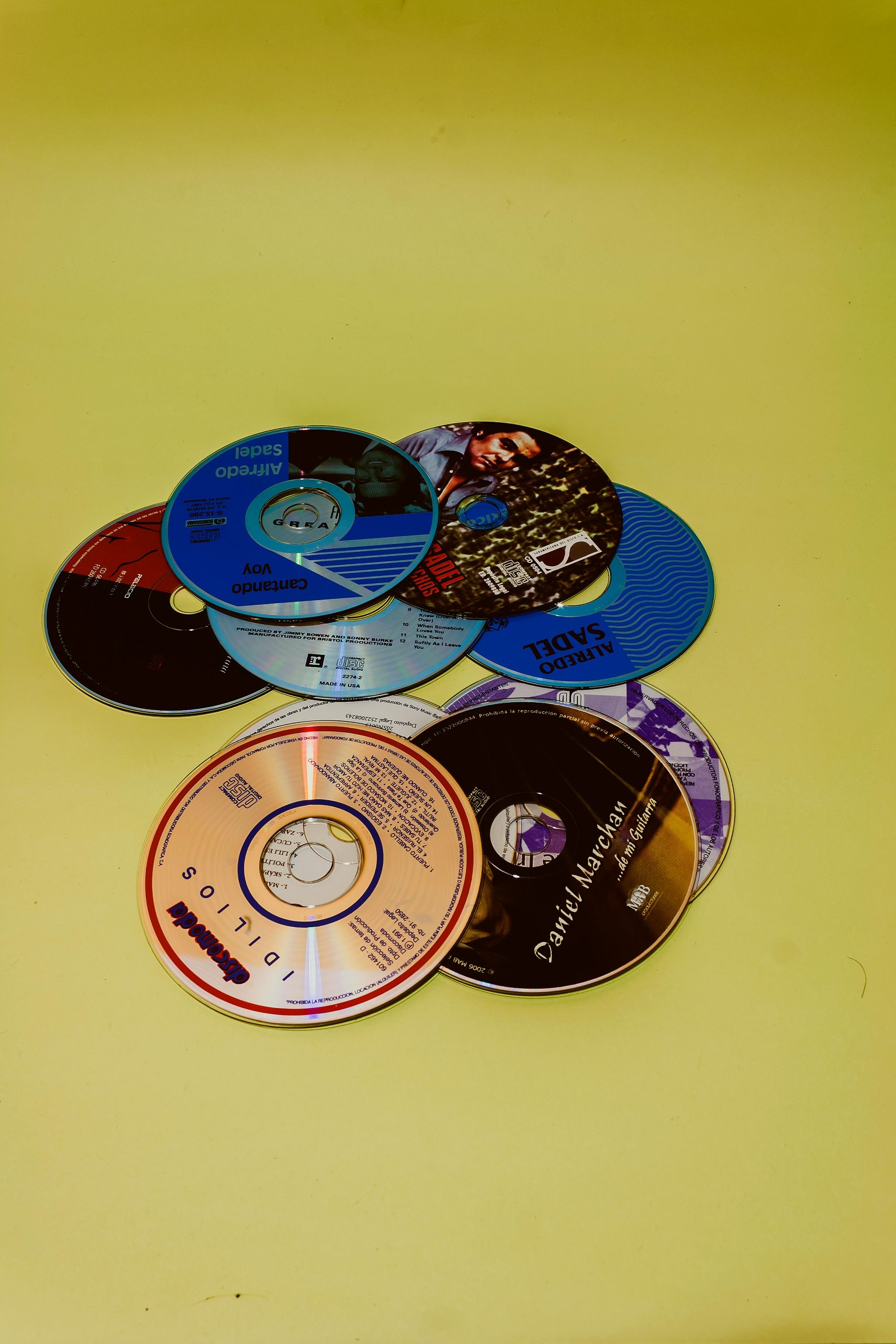
via Pexels
As young adults today, myself and my peers were essentially born and raised on the internet. Although social media and streaming platforms are still relatively new, our generation never really knew a world without digital media. Despite that, there seems to be a constantly rising appreciation for physical media, and the idea of ‘going analog’ is being encouraged across social media.
What caused this shift in the first place? Are we, a generation that can easily spend eight to nine hours a day looking at our phones, actually finding ourselves burnt out from the inescapability of digital media? Is this a collective rejection of the unnecessary yet ever-increasing use of AI and the new wave of anti-intellectualism across the internet? Maybe it goes wider than that, and we’re finally moving away from mindless overconsumption and towards a more intentional and slow approach to how we consume media. Or, on a much less optimistic note, will physical media become boxed into an abstract ‘aesthetic’ and mass produced in the same way that Labubus and Stanley cups were?
The concept of physical media as an aesthetic in and of itself isn’t anything new. As someone who’s owned a record player since I was about sixteen, I have to admit that one of the main reasons I wanted one so badly was because I knew I would ‘look cool’. I would be perceived as someone who rejected modern media and went out of their way to find physical sources and collections that they could thoughtfully curate over time. But really, I was still using Spotify most of the time, so it was super performative (although I still use my record player to this day, so cut me some slack). Whether you see physical media as ‘vintage’ or ‘edgy’ or you genuinely do prefer it over digital media, you have to acknowledge that even as streaming services like Spotify and Netflix continue to dominate the market, there’s always been an aesthetic appreciation of older physical media.
However, something’s different about this new wave of appreciation. This feels like more of a retaliation against something. We’re already aware of the heavy research that tells us how much damage habits like doomscrolling can do to our brains, because we’re not actively engaging with that media in the same way we would with a book or even a movie. Our attention spans, our memory, it’s all being affected already, and since social media and the short-form content that we’ve gotten accustomed to is still relatively new, we don’t even really know what impact they’ll have on us in the long run, but it could be detrimental.
@notshaughnessy 8 ways i’m going analog in 2026⭐️ opting out of convenient living and choosing things that slow me down on purpose here’s to a new me 💌 #analoglife #analog #analogue #physicalmedia #ipodclassic ♬ Baby Steps – Olivia Dean
This rise in physical media popularity applies to a lot more than just vinyls and DVDs. Books, magazines, CDs, iPods, all of these things have gone from being collector’s items to media that we’re actively choosing instead of our phones. In the nineties and early 2000s, the internet was like a place you could go when you wanted a break from real life. There was usually only one spot, if any, in the house where you could access the internet, and then you turned that old computer off and got on with your day.
Now, real life is the escape. The internet is everywhere. We are totally addicted to our phones. We spend hours a day mindlessly scrolling though an unfathomable amount of content without even processing it properly, and when we do try to ‘connect’ back with ourselves and our real surroundings, the phone we just put away buzzes with notifications reigning us back in. Our trends, our culture and ideas aren’t just reflected on the internet anymore, they’re arguably dictated by it. As corny as this might sound, we essentially live online, and this rise in physical media is likely our attempt at focusing on our real lives again.
It goes even further than that though, because overconsumption doesn’t just apply to the way we engage with digital content. Our appreciation for physical media is an ode to a time where people were a lot more intentional and thoughtful about what they were buying and why. CDs, DVDs, cassettes etc. didn’t give you the option of hundreds of songs or movies all at once. You needed to choose wisely, choose an album or a movie that you knew you’d be able to engage with often without getting bored of it. Today, mass production seeps into every aspect of our lives. The clothes we wear, the technology we use, the food we eat. There’s way too much of everything.
Mass production has sort of ruined the idea of actually valuing and using the things we own. Not that we don’t feel the need to buy things, because we definitely do, now more than ever, but we don’t feel the need to put much thought into what it is we’re buying, because even if we don’t end up using them or decide they’re no longer to our taste, we can just toss them away and buy something else. And there is always something that we’re being encouraged to buy. This is the exact environment that microtrends and overconsumption flourish in. This move towards physical media might be our attempt at breaking through this, because it promotes intention and authenticity when buying something. You can’t really make a microtrend out of a specific CD or a physical copy of a movie.
However, you can make a microtrend out of ‘going analog’ in general, as difficult as that sounds. I think we’re at a very pivotal moment right now. As a collective, we can choose to view physical media as a genuinely healthier and more sustainable alternative to the digital media we’ve been consuming and an opportunity to break the habits we’ve formed by engaging with those platforms. This can have a knock on effect on the way we approach consumption and ownership as a whole, which will help us tackle our problem of mass production. Or, we can view physical media as nothing but a cool, old-school aesthetic.
View this post on Instagram
Buy our own radios and heaps of CDs and box televisions, increasing the demand for the production of these kinds of things, feel really cool for maybe a month before we become bored again and return to the convenience of the internet and streaming services, and let all that junk we bought end up in a landfill. As. Per. Usual. We really are walking a thin rope here. While we’re only at the beginning of this trend, it already has the potential to turn into something so much bigger, a cultural movement that will have lasting positive effects on our own lives and that of the environment. We just need to be very careful about how we go about this.
Physical media is a thing of the past, which means that all the CDs, vinyls, DVDs, and books are already out there in existence. We need to remember that right now there’s no need to create a demand for more of this stuff to be made. I cannot encourage you enough to use your local library as a source for physical media. You can find a lot more than just books in there, and not only will it stop you from hoarding and wasting money, but using public facilities is crucial to sustain your local community.
If you don’t have a CD player or CDs, your local charity shops will be full of them. If you find yourself getting really into magazines, why not try to make your own? It’s a fun hobby and you put so much of yourself into it that the end result is worth it every time. Basically, there are so many ways to embrace physical media without creating a demand for mass production, and that is what we need to be conscious of if we want to prevent another microtrend.
The whole point of choosing to go more analog is to slow down, ground ourselves outside of the internet and stop mindlessly consuming things. It’s an amazing idea, but it’s up to us to make sure that this growing trend results in those goals, otherwise even something as wide-spread as physical media will turn into another way to put more plastic into the ocean. If I see CD players being advertised on TikTok shop, I will officially have no faith in humanity.

 100vw, 978px" />)
 100vw, 1164px" />)
 100vw, 714px" />)
 100vw, 1096px" />)
 100vw, 1182px" />)