Wellness 13th May 2026 by Jade Hayden
PCOS Is Now PMOS – Here’s Why The Name Change Is Important
"It was very clear that the name was inaccurate"
via Pexels
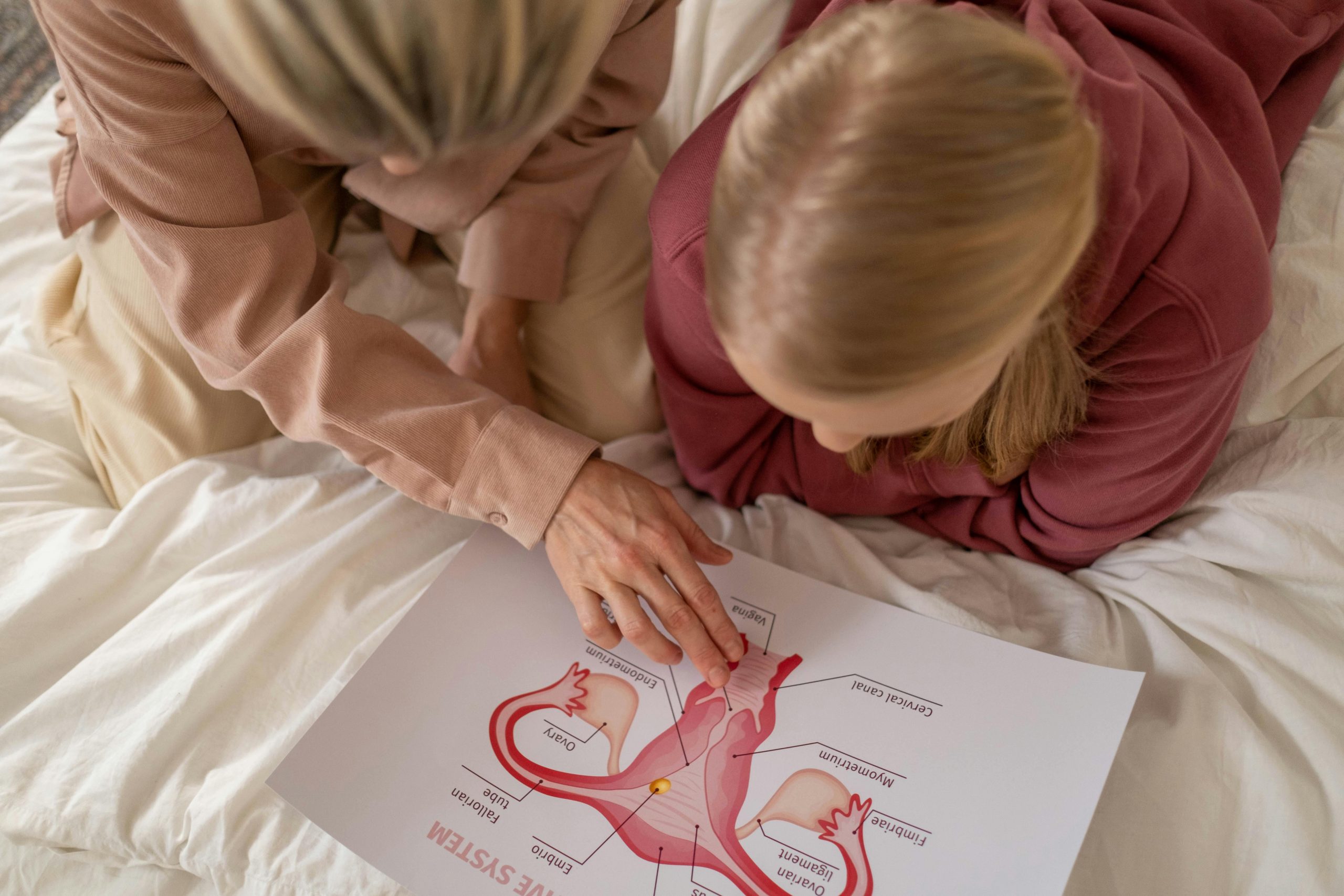
PCOS (polycystic ovary syndrome) is now called PMOS (polyendocrine metabolic ovarian syndrome). Here’s why that’s important.
Doctors have determined that the new name better reflects the symptoms of the condition, which is believed to affect between 10 and 20 percent of women in Ireland.
PMOS (previously PCOS) affects how the ovaries work, commonly affecting fertility, hormones, and period regularity. Symptoms include weight gain, skin-related issues, irregular periods or no period at all, and fertility issues.
Having polycystic ovaries does not mean that you will have PMOS. This is one of the reasons why researchers have been campaigning for this name change.
“It was very clear that the name was inaccurate,” Dr Helena Teede, endocrinologist and professor of women’s health told Live Science.
Dr Teede says that the condition was first named PCOS in the 1930s. Then, doctors would register cyst-like bumps on patients’ ovaries during operations.

via Pexels
These doctors saw the ovaries “looked lumpy and bumpy, like they had cysts on them,” Teede says. “But a true abnormal cyst has a particular type of lining and behaves in a certain way.”
Other efforts to change the name of the condition have been made over the past few decades, with the earliest being made as far back as the 90s.
Researchers argued that the name ‘PCOS’ was confusing to patients and practitioners, considering a woman doesn’t have to have cysts on her ovaries to have the condition.
Rather, many patients have “arrested follicles” that are not released during ovulation. ‘PCOS’ also focused primarily on the ovaries, while the condition can affect many different parts of the body, from the skin to weight to mental health.
Dr Teede says that it was important that the new name articulated the reality of those living with PMOS. “It was a really robust process, and the community was involved at all stages,” she says.
“We hope that people will understand and respect the process — understand that it wasn’t made behind closed doors with a few small expert groups, which is what normally happens.”
You can find out more about PMOS (previously PCOS) here.

 100vw, 1242px" />)
 100vw, 1186px" />)
 100vw, 1920px" />)
 100vw, 1062px" />)
 100vw, 1186px" />)