Telly 9th July 2026 by Stellar Magazine
Has Reality TV Really Come That Far Since Channel 4’s Shattered?
Yes, we are still watching people suffer for money
via Channel 4
Reality TV has been asking the same question for decades: how much discomfort will a person endure if there’s a cash prize at the end of it?
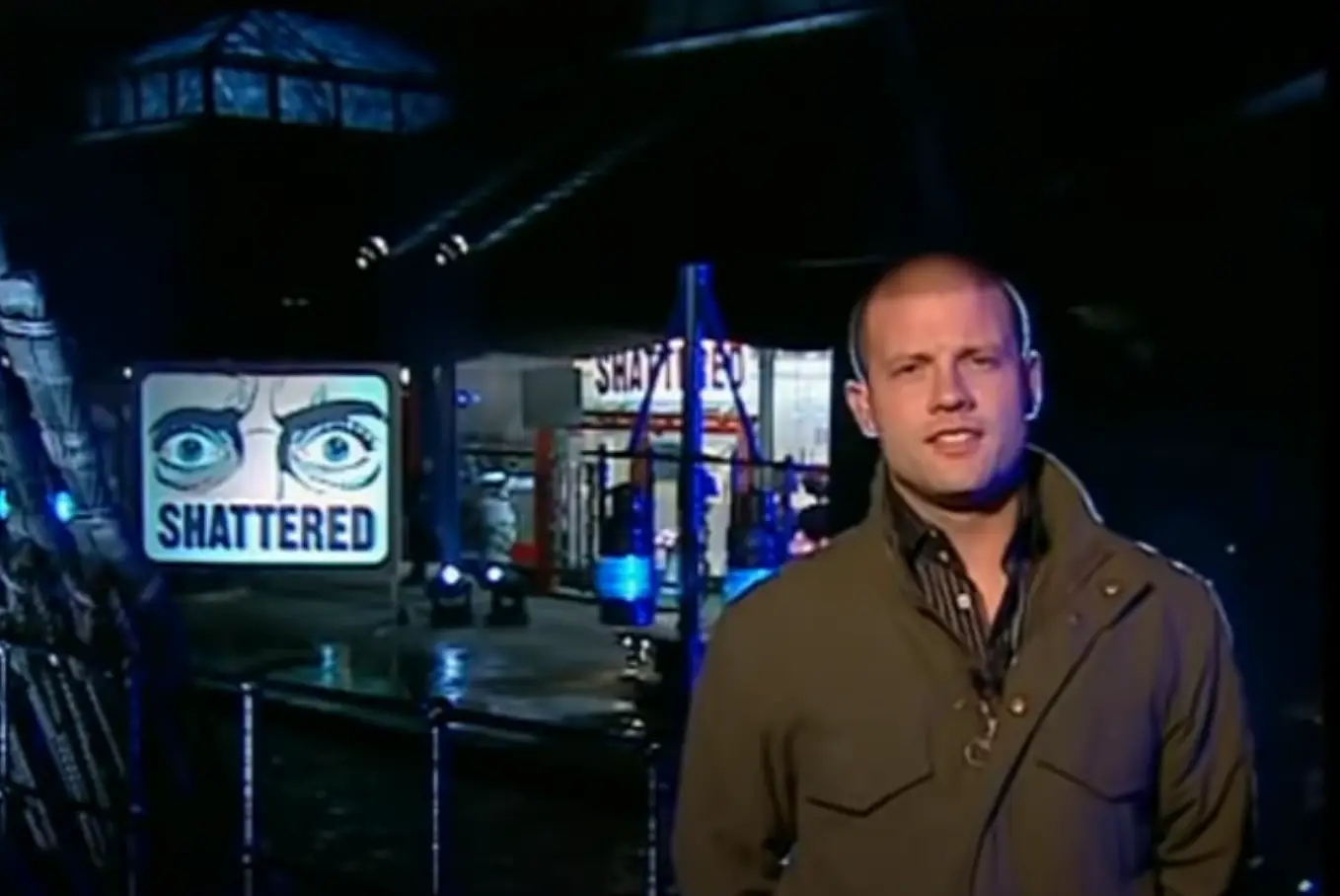
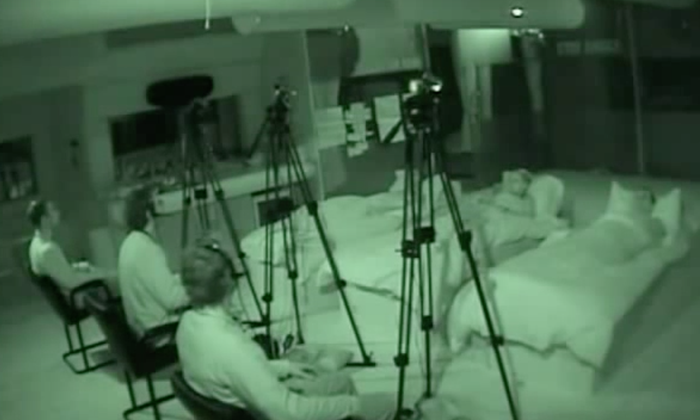
In 2004, Channel 4 returned to this timeless question with Shattered, a reality show where contestants attempted to stay awake for seven days while being constantly filmed, with money deducted from the cash prize whenever they fell asleep.
A surprising amount of thought was put into making this show as uncomfortable as possible. Every day, a contestant was chosen to endure an hour-long “You Snooze You Lose” challenge, where they were instructed to stay awake during an experience designed to tempt them to fall asleep. These challenges included cuddling teddy bears, listening to a snoozy bedtime story in an overheated room, and watching paint dry while sitting in a comfy chair.
On the final day of the competition, the contestants were made to participate in “The Sleep-Off”, where they were all sent to bed, with the last person to fall asleep winning. The winner of the show’s only season, Clare Southern, endured 178 hours of sleep deprivation and won £97,000 in prize money.
The concept itself was questionable, with the potential health effects being a major concern. One participant reported major hallucinations and believed he was the Prime Minister of Australia.
via Channel 4
Reality TV has changed significantly since the days of shows like Shattered. It clearly came from a wilder, less regulated era of TV. But the basic formula remains popular, and producers have never stopped finding ways to put ordinary people under intense psychological pressure for our entertainment.
Modern shows still rely on exhaustion, discomfort, surveillance, and emotional pressure placed on their participants. They have just found newer, shinier, more marketable ways to package it. These challenges are now described as social experiments or high-stakes games, making them sound a bit more PR-friendly.
Reality TV may no longer challenge people to stay awake for a week, but the desire to keep watching people struggle on our screens hasn’t left.
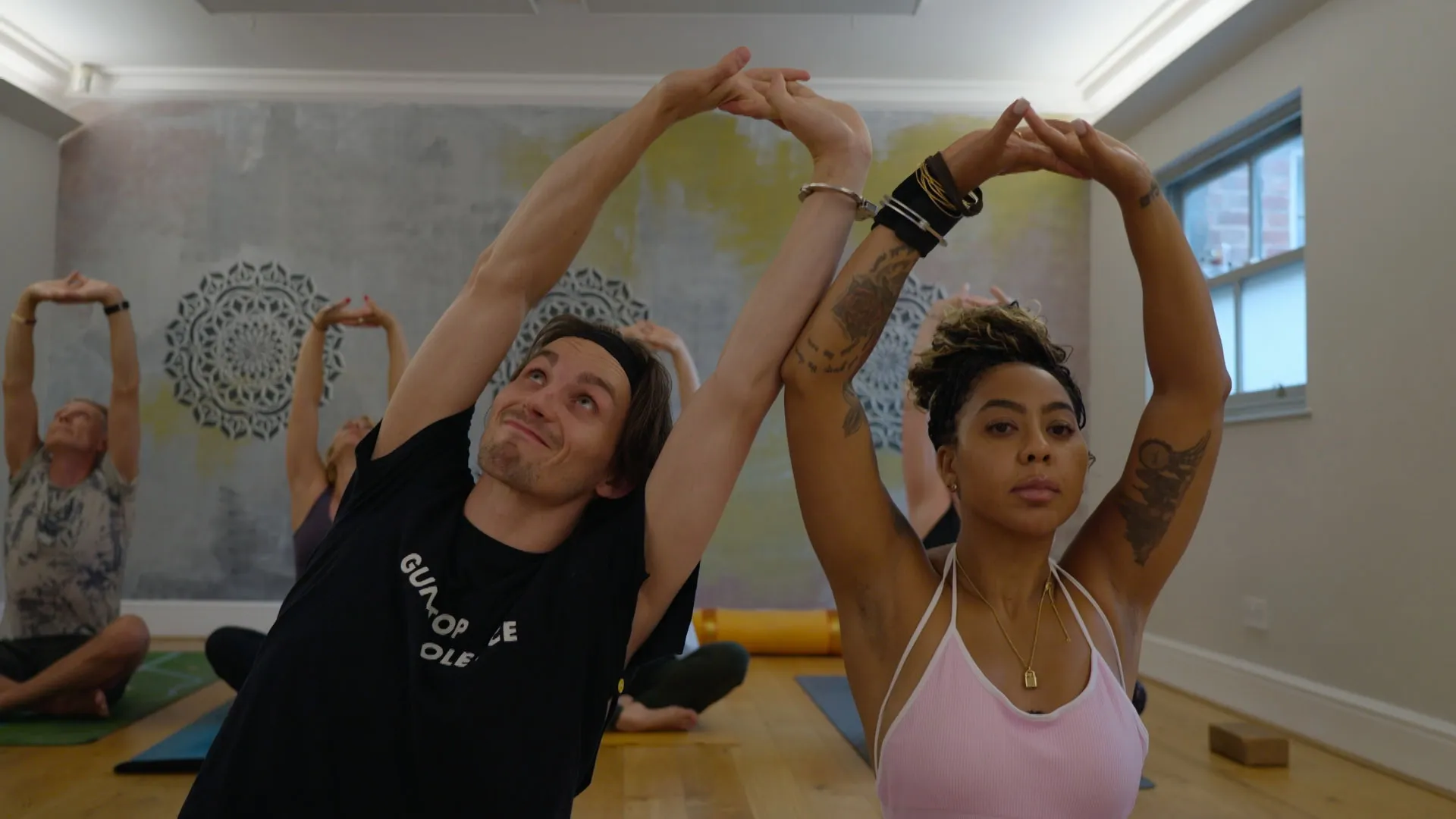
Handcuffed: Last Pair Standing, hosted by Jonathan Ross, is described as a social experiment where pairs of strangers with opposing views, beliefs, and lifestyles are handcuffed together 24/7. Released by Channel 4 in March 2026, the show sees pairs eating, dressing, and sleeping inches apart while competing for a £100,000 prize.
via Channel 4
Instead of losing sleep, participants lose their personal space, privacy, and ability to simply walk away. This deeply uncomfortable experience is framed as a challenge to “heal a divided Britain,” but the entertainment clearly comes from conflict, frustration, and discomfort.
The pairs appear to be selected for maximum discomfort. One pair features Jo, the owner of a plus-size fashion brand, handcuffed to Reuben, who thinks fat people are lazy. Another pair features Tilly, who helps homeless people in her spare time, handcuffed to a millionaire named Anthony.
Shows like these should make us ask: why does prize money make people tolerate something they would never normally agree to?
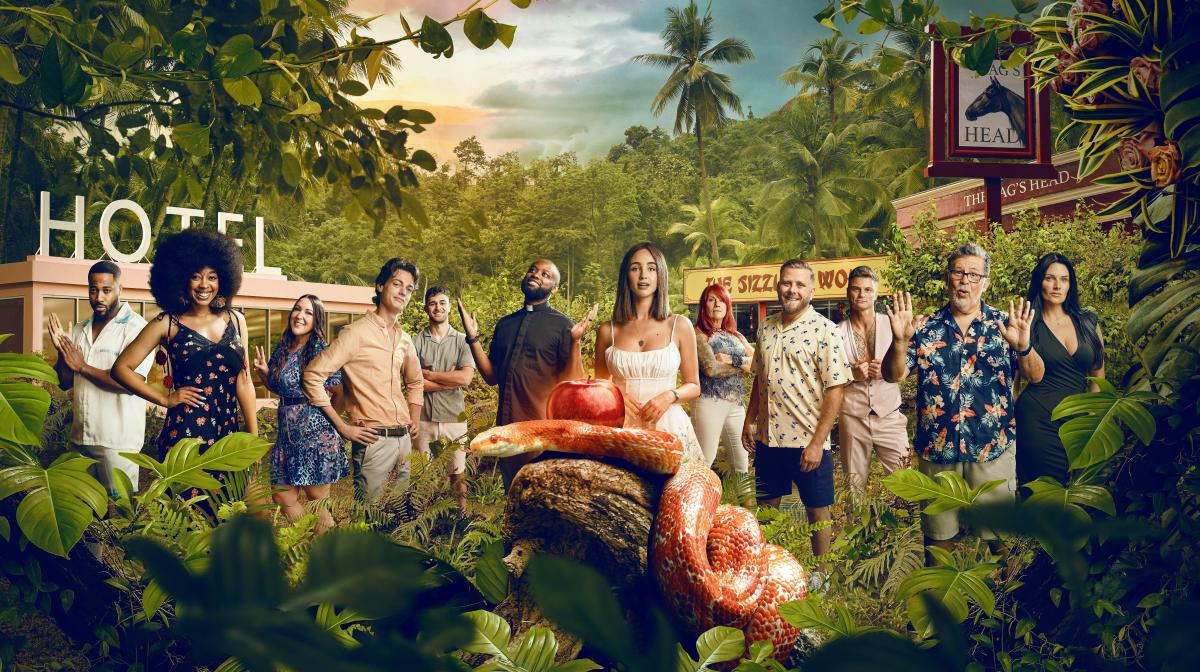
Tempting Fortune asks the same question in a slightly different way. The Channel 4 show, first released in 2023, most recently put 12 strangers through an 18-day trek in Malaysia with only basic survival gear. Previously hosted by Paddy McGuinness, with Rob Beckett taking over for the latest series, the show offers participants expensive temptations throughout their journey, reducing the shared £300,000 prize fund if they accept them.
Tempting Fortune turns comfort into a moral test. Food and rest are framed as luxury temptations, and one person’s weakness can affect the money for the entire group. The producers do not just create physical discomfort; they create group resentment and conflict, as participants are forced to choose between their own needs and the group prize.
via Channel 4
Tempting Fortune understands one of reality TV’s oldest tricks: people are never more interesting than when they are tired, hungry, and have hundreds of thousands at stake.
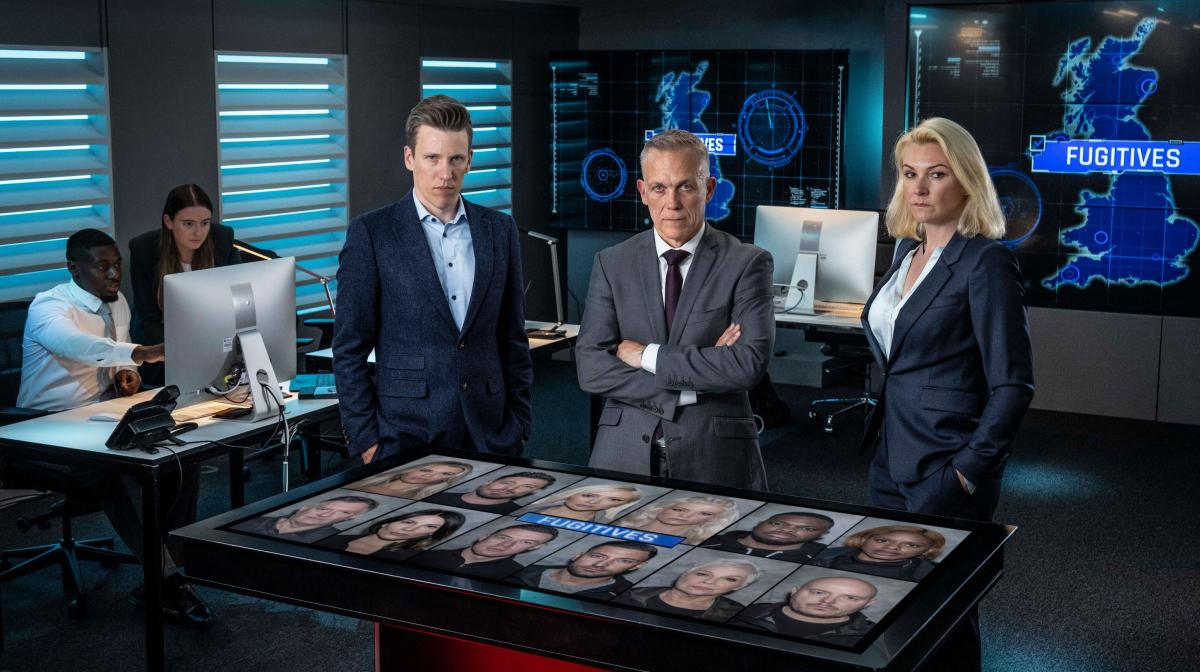
Another Channel 4 show that embraces this format is Hunted, where ordinary people go on the run for 21 days while a team of hunters uses tools like CCTV, call tracing, drones, and other surveillance tactics to track them down. Participants who make it to the end without being caught have a chance of winning a share of £100,000.
The show first aired in September 2015, with its eighth season hitting screens in October 2025. The hunters, made up of former and serving police, intelligence personnel, and on-foot teams, try to catch contestants before they reach a designated “extraction point” and win a share of the prize money. The contestants are given a debit card with a small amount of money and a rucksack with essential items for survival.
Unlike contestants in the other shows, the people on Hunted are technically free, but they are constantly looking over their shoulders. In a world where we are increasingly monitored, the show reflects modern fears about being watched and turns them into entertainment.
What all these shows have in common is simple: they invite us to watch ordinary people under strain.
via Channel 4
So, why do we keep watching? It is easy to watch these kinds of reality shows and wonder how we would cope under the same pressure, which is part of what makes them so fascinating. Although we see participants under immense stress, the prize money makes their suffering feel voluntary, which perhaps makes us feel less guilty for indulging in it.
Reality TV makes it easy to judge people from a distance. We can sit comfortably on the couch and think, “I would never flop that hard in a challenge.” And when life already feels stressful, sometimes it feels good to kick your feet up and say, “Well, at least that’s not me on the screen. I would’ve done way better.”
Maybe the reason these shows do so well is because they quietly get us addicted to the idea that we would be different. We would stay awake. We would resist temptation. We would outsmart the hunters. We would not flinch at being handcuffed to a stranger. Reality TV feeds our ego by convincing us we are stronger than that.
Shattered was released over two decades ago, which may make it seem like it belongs to a very specific, chaotic era of British reality television. But the format has never really left. We have swapped the controversy of sleep deprivation for survival challenges, surveillance games, and forced social experiments, but the same question remains: how far will someone go for money, and how far are we willing to watch them go?
Words by Katie Walsh

 100vw, 1200px" />)
 100vw, 1358px" />)
 100vw, 1620px" />)
 100vw, 1378px" />)
 100vw, 1190px" />)