

Telly 14th July 2026 by Stellar Magazine
Were TV’s Favourite ‘Nice Guys’ Actually That Nice?
No, not really
via Disney+
For years, TV told us exactly who we were supposed to root for.
The awkward guy. The loyal guy. The one who waited around, made the grand gesture, pined quietly in the background and somehow convinced us that persistence was the same thing as romance.
But looking back now, a lot of those “nice guys” were not actually that nice. They were just written in a way that made their entitlement look soft, funny or romantic.
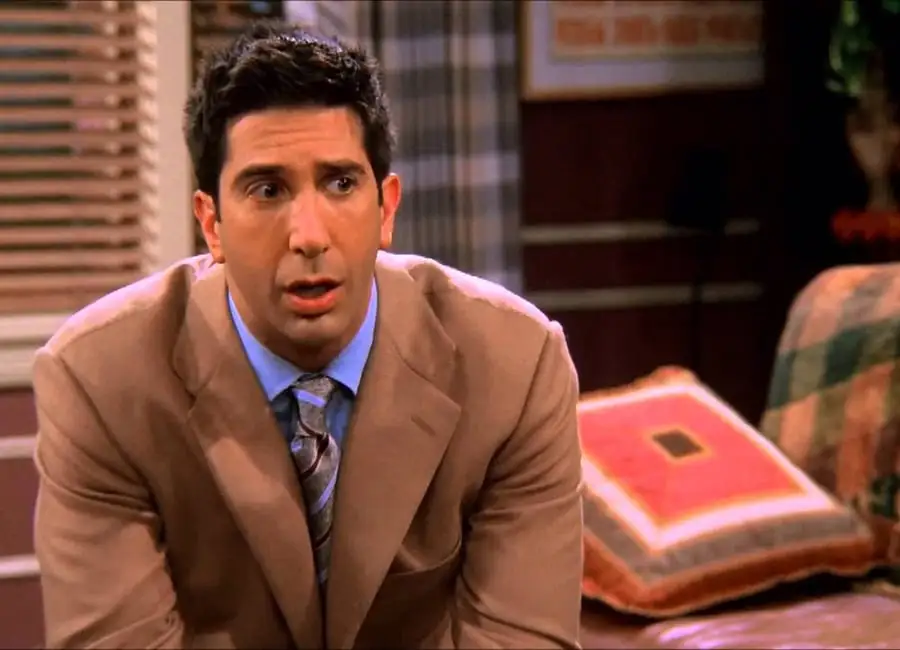
Ross Geller is probably the obvious place to start. On Friends, he is presented as the guy who loved Rachel forever. The same guy who has had a crush on her since high school and spent years harbouring his secret admiration.
Ross is supportive on paper, but a lot of that ‘support’ comes with expectations attached. Somewhere in the background, he believes that the universe will eventually turn all that patience into a girlfriend.
And that is the real problem with the “nice guy” trope. Treating friendship like a waiting room, as if being in it long enough means it will eventually be your turn.
via Netflix
You see it most clearly when Rachel gets her dream job and Ross immediately becomes convinced her boss only helped her because he fancies her. Instead of just being happy for her, he turns her career win into something suspicious.
When Rachel suggests he might have just been nice, Ross asks Joey: “Are men ever nice to strange women for no reason?” Joey replies: “No, only for sex.” And there it is. Ross does not seem to understand the idea of being close to a woman without expecting something at the end of it.
That is why Rachel’s choices so often feel like obstacles to him. When she dates someone else, we are encouraged to feel bad for him. When she gets independence, he spirals. And when she gets the chance to move to Paris, his first instinct is not to support her, but to stand in her way.
While it is a sitcom, and yes, it is meant to be funny, it stands out now because the joke is so often built around Ross’ feelings being more important than Rachel’s freedom.
via Disney+
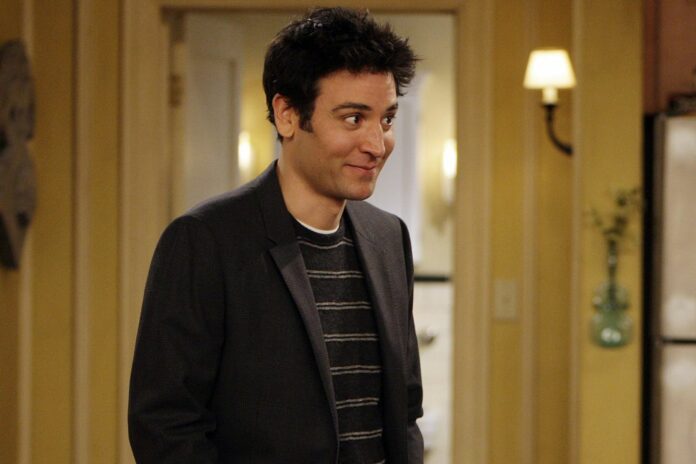
Which brings us to Ted Mosby, who might actually be the final boss of romanticising the “nice guy”. Because while Ross hides his entitlement behind insecurity, Ted hides his behind grand gestures and soulmate speeches.
Because How I Met Your Mother is told through Ted Mosby’s own memories, we are seeing his love life exactly how he wants us to see it, which sounds sweet until you realise Ted does not always want a person, he wants a plot.
From the very first episode, he tells Robin he loves her after one date. Then, when she is understandably freaked out, he steals the blue French horn and shows up again because he has decided this is romantic. Not because she asked for it, but because in Ted’s head, the gesture matters more than the boundary.
That is what makes him such a good example. Ted does not think he is owed a woman because he is nice. He thinks he is owed a love story because he believes in one hard enough.
And honestly, that might be worse.

via Disney+
Ted spent years ignoring what Robin was telling him, she didn’t want kids, which was an obvious dealbreaker for both of them. And when they were not together, he often treated all the other women he got with like emotional side quests on his way back to her.
The show wants us to see Ted as this good person that is cursed with being a ‘hopeless romantic’. But remove the soft lighting and the narration, and suddenly it looks a lot less like destiny and a lot more like a man refusing to listen and prioritising his ‘story’ over the feelings of the women in his life.
J.D. from Scrubs fits into this too, just in a slightly messier way. He is funny, vulnerable and easy to root for, but he also has a habit of turning his own feelings into the most important thing in the room. Because so much of the show happens inside his head, the women around him can sometimes feel less like people and more like lessons in his own self-discovery arc.
And then there is Dean from Gilmore Girls.
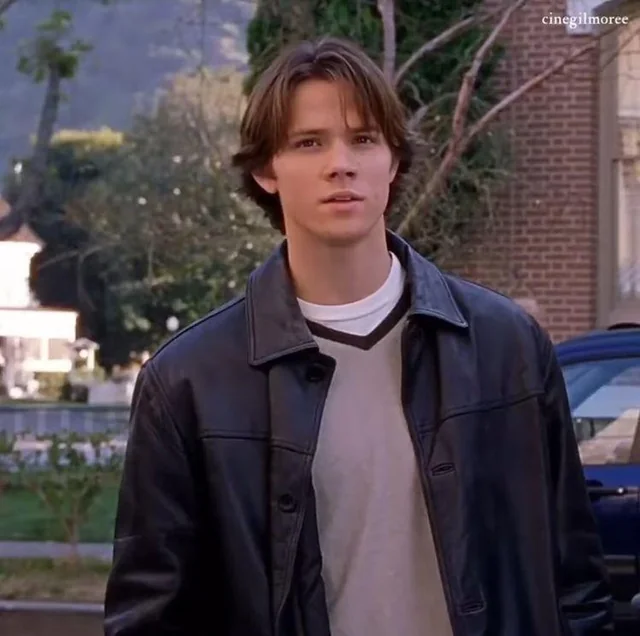
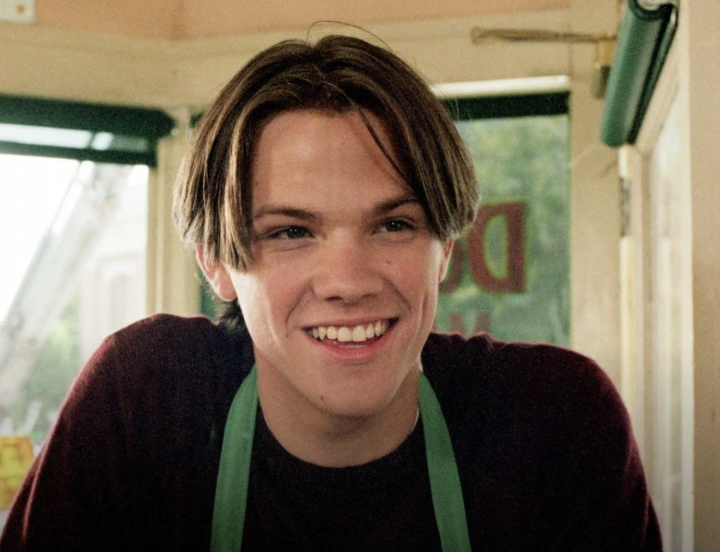
Dean was sold to us as the perfect first boyfriend. He was sweet, dependable, protective and seemed like the safe option compared to every other boy Rory met. But the show makes his deconstruction pretty obvious, as that protectiveness slowly starts to feel more like possessiveness.
via Netflix
He is jealous, immature and struggles when Rory’s world expands beyond him. And then, of course, he cheats on his wife with Rory, which removes any remaining nice guy polish. By that point, the mask is off. Dean is not the safe option, he just another guy that seemed sweet until things stopped going his way.
Even Megamind, in the most ridiculous possible way, plays with this idea. He creates a “nice guy” hero in Tighten, who proves that being awkward, insecure and rejected does not automatically make someone good. The second he does not get the girl, the resentment comes out. And this is why the conversation matters in real life too.
Women are not suddenly against kindness. Actual kindness is great. Please, more of that. What women are tired of is the version of niceness that keeps a tally. The kind that treats friendship like a waiting room. The kind that turns rejection into humiliation and makes that humiliation everyone else’s problem.
For a long time, pop culture helped sell the idea that if a man waited long enough, loved loudly enough and suffered publicly enough, he deserved the girl in the end.
But women are much quicker to clock that now.
Because genuine kindness does need to be rewarded with romance. It is not a points system, and it is not something you cash in when you have been patient for long enough. If it turns into resentment the second someone says no, then it was never really kindness in the first place.
So, were TV’s favourite nice guys actually that nice?
Some of them were probably trying to be.
But a lot of them were also proof that being soft-spoken, awkward or romantic might make you a nice guy, but does not automatically make you a good person.
Words by Andrew Connolly

 100vw, 1366px" />)
 100vw, 639px" />)
 100vw, 1058px" />)
 100vw, 1536px" />)
 100vw, 980px" />)