Trending 18th August 2026 by Stellar Magazine
What Happened To Hyper-Feminine Icons?
After all, Elle Woods got into Harvard while loving pink
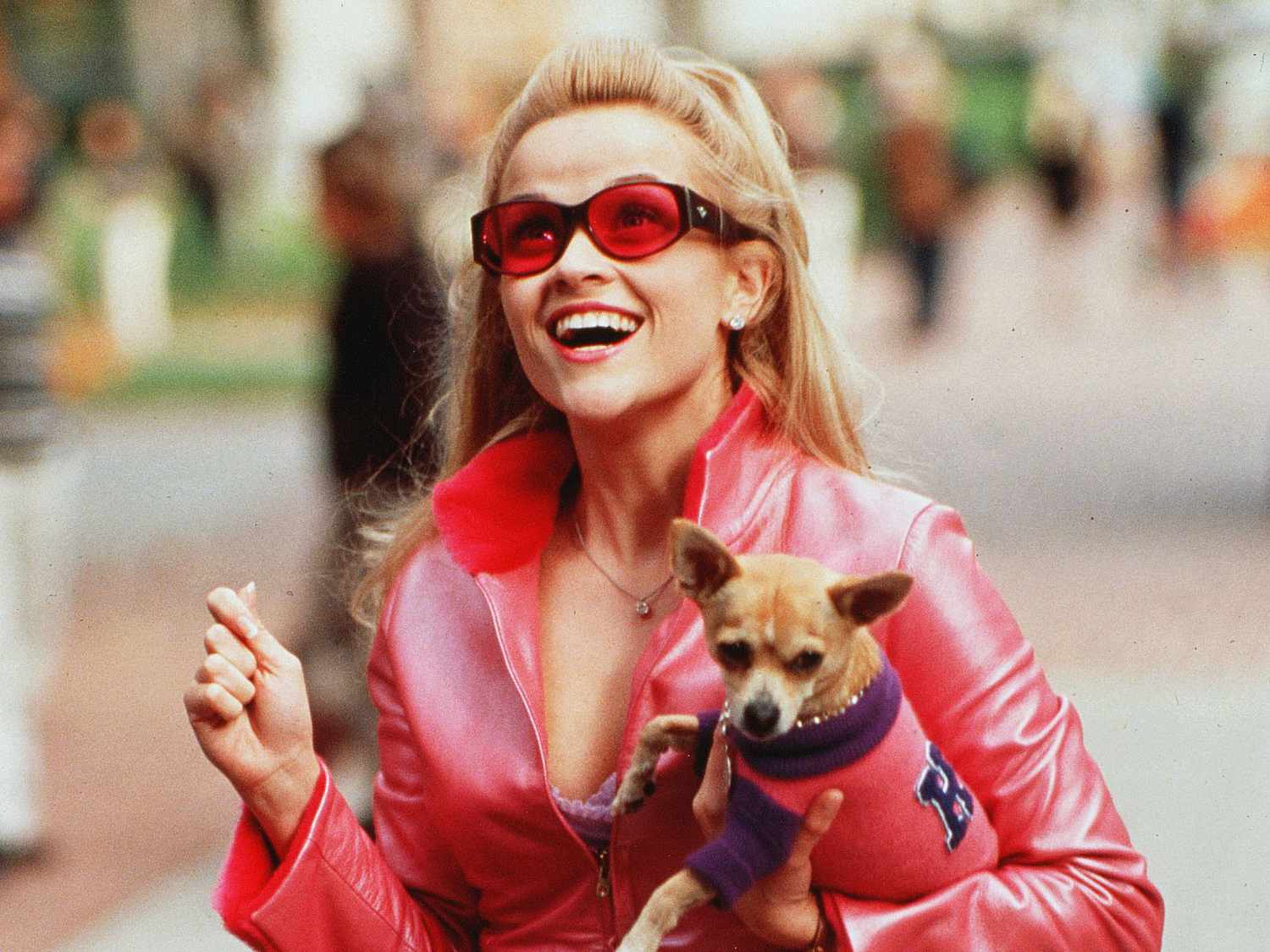
via MGM
When I think back to my childhood, so many of pop culture’s most iconic women loved pink, shopping, makeup and fashion without apologising for it.
Elle Woods walked into Harvard in a matching pink ensemble. Sharpay Evans was the ultimate childhood glamour-loving diva. Cher Horowitz planned outfits on a computer before it was cool. Regina George terrorised her high school in Y2K chic.
So why does it feel like we hardly get characters like them anymore? Somewhere along the way, hyper-feminine women stopped being the main character. And I can’t help but wonder why.
Classic hyper-feminine female leads are fondly remembered for their styling, but these characters weren’t just there to model clothes. The legacy of Legally Blonde is perhaps one of the best examples of how movies featuring “girly” leads can genuinely lift women up.
Instead of being stripped of her femininity to appear strong, Elle Woods wore her fashion sense like a badge of honour. She wasn’t a stone-cold machine; she was intelligent, vulnerable and empathetic. Traits so often used against women were instead turned into signs of strength and determination.
During interviews celebrating the legacy of the film, Reese Witherspoon has spoken about how frequently women approach her to say that Elle influenced their decision to pursue law.
View this post on Instagram
Another one of my favourite old-school girly movies is Clueless. I remember watching it for the first time and being so in awe of all the fashion. But this didn’t detract from the fact that the movie’s lead character, Cher Horowitz, redefines power by proving that traditional femininity and a bubbly personality do not cancel out kindness and intelligence.
She was so ahead of her time. She was a girl’s girl before the phrase was trendy. Cher redefined what it meant to be a “girly girl” in 90s pop culture.
Sharpay Evans, the biggest diva of them all and a cultural icon from High School Musical. Sharpay wasn’t as kind or bubbly as Elle Woods or Cher, but she had her own approach that made her a hyper-feminine icon of her time. She had a fierce work ethic and was completely dedicated to
Broadway. She never played small or let others get in the way of her dreams. This gave Sharpay a bad reputation. She was made out to be a villain for refusing to submit to society’s expectations of her to be a “nice girl” and instead going after exactly what she wanted. Feminist legend, honestly.
This might be a hot take, but honestly I miss characters like Regina George from Mean Girls for the same reason. As a chronic people-pleaser myself, Regina George is a bit of a dark, sadistic feminist icon to me. She completely defies the nice “girly girl” stereotype placed on young women. She reigned over her high school in the most Pinterest-worthy Y2K outfits. Her scheming was on an FBI level of plotting. You could never make me a Regina George hater.
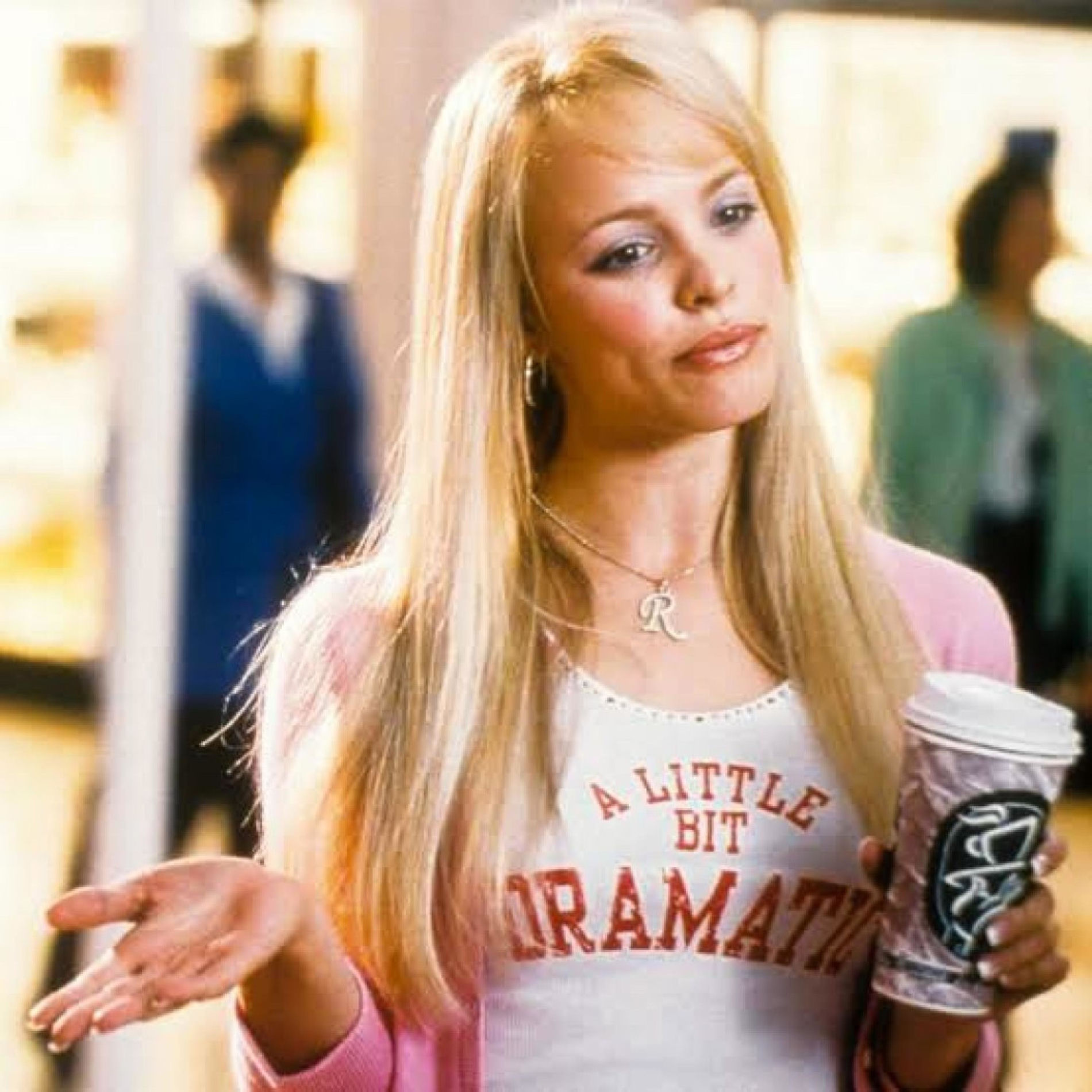
via Paramount Pictures
Growing up in rural Ireland, where hyper-femininity could easily be dismissed as having “notions”, these women offered a form of escapism for me. They allowed me to imagine a life beyond a small village: life in the city, decked out in the coolest outfits and unafraid to be my true self.
They showed girls that they didn’t have to reject femininity to be respected. Instead, they embraced it and used it as a strength. Loving femininity wasn’t the joke; it was just part of who these characters were.
Over the years, minimalist aesthetics took over. “Clean girl” replaced glamour, while “quiet luxury” meant saying goodbye to exaggerated sparkle. Could social media be partly responsible for this shift? We have watched “effortless beauty” and “no-makeup makeup” dominate our screens, but do we dare ask whether it has taken some of the fun out of femininity?
This is reflected in Hollywood too. We’ve seen a shift towards female leads being toned down to appear more relatable, but what if the fun of watching these characters was their larger-than-life personalities?
It seems like writers are afraid that audiences won’t take a glamorous female lead seriously.
Then, the Barbie movie happened. It was a cultural phenomenon. Cinemas were packed with audiences dressed in pink. Barbie and Oppenheimer made their debuts at the same time. “Barbenheimer” felt like a cultural reset: two utterly contrasting movies, one centred around war and the creation of the atomic bomb, and another where femininity was embraced to its maximum.
But embracing femininity didn’t mean Barbie couldn’t pose serious questions. Barbie reminded audiences that stories centred around femininity can be every bit as meaningful as those traditionally treated as more serious.
View this post on Instagram
Despite Barbie’s success, a USC Annenberg study found that just 30 of 2023’s 100 highest-grossing films featured a girl or woman in a lead or co-lead role, down from 44 in 2022.
There has also been criticism of Hollywood’s idea of the “strong female character”. In trying to move away from damsels in distress and one-dimensional love interests, some modern female characters have instead been written around traditionally masculine markers of strength: physical power, stoicism and emotional detachment.
But where is the balance in all of this? At times, it almost feels weirdly misogynistic. Not because women are being portrayed as physically strong or independent, that representation matters too, but
because femininity so often seems to be the thing they have to sacrifice to get there. It becomes even more interesting when you consider who is still shaping many of these stories. Women remain significantly underrepresented behind the camera in major filmmaking roles, meaning that many stories supposedly representing modern womanhood are still being shaped within a male-dominated industry.
In 2025’s highest-grossing films, women accounted for just 26% to 28% of producers and 11% to 13% of directors, showing just how significant the gender imbalance behind the camera remains.
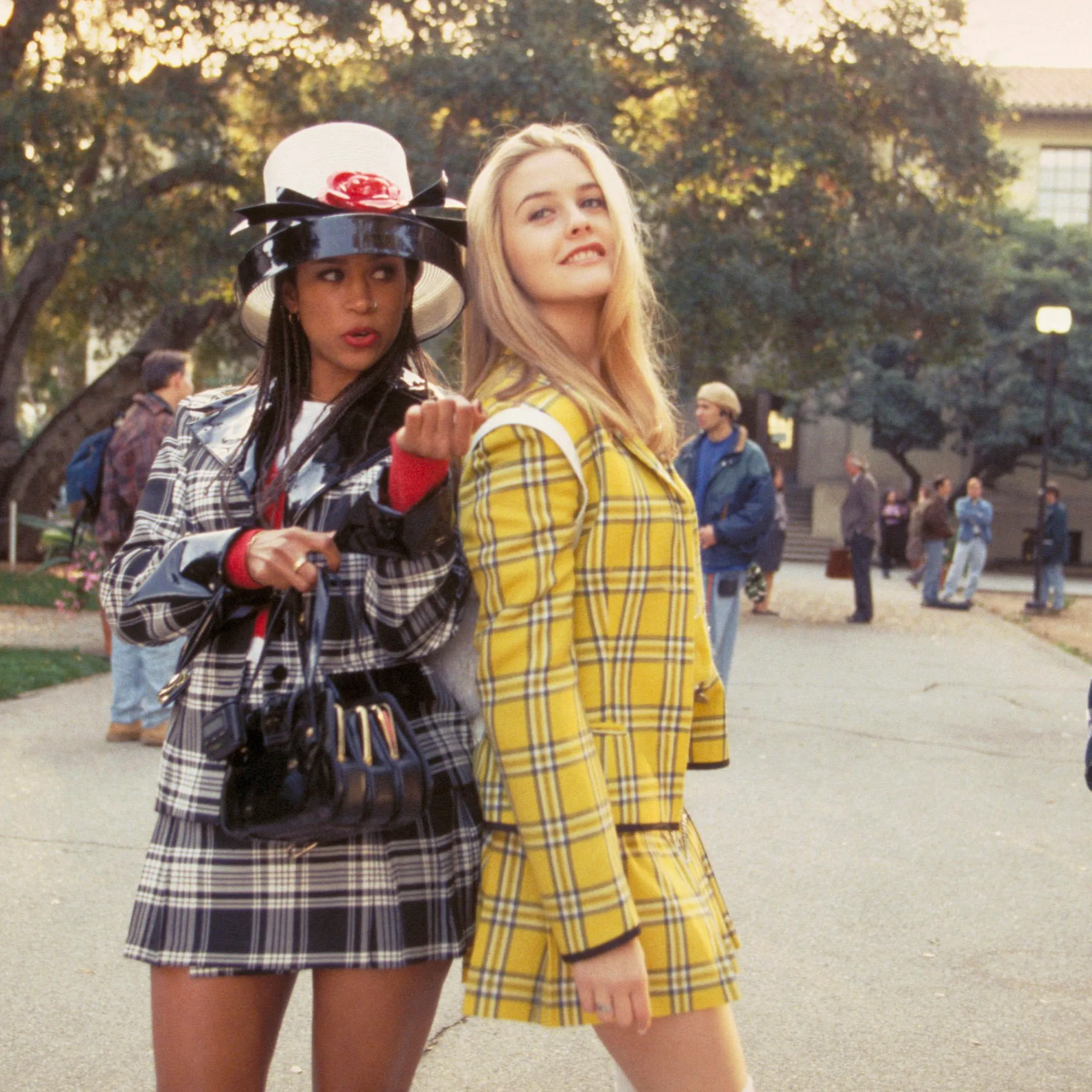
via Paramount Pictures
Sometimes the physically strong, emotionally cold female lead feels like Hollywood’s way of telling women: “Well, at least we didn’t infantilise you.” It can begin to feel like another version of the “cool girl”: a woman who doesn’t need anyone, proves herself through physical strength and maintains an emotionally detached exterior.
The cinematic world has been slower to catch up, but Gen Z seems to be embracing overt femininity again, with aesthetics such as coquette blowing up across social media. With a quick scroll through TikTok, you’ll find feeds full of bows, lace and ribbons, with celebrities such as Lana Del Rey and Sabrina Carpenter helping to popularise this hyper-feminine aesthetic.
Audiences aren’t asking for every female lead to be pink-obsessed. We’re just asking for women who can love fashion, beauty and femininity without those interests being used to diminish them.
After all, Elle Woods got into Harvard while loving pink and inspired a generation of female lawyers who felt like they didn’t have to dull themselves down to be taken seriously. Perhaps that’s exactly the kind of heroine we’ve been missing.
Words by Katie Walsh

 100vw, 1268px" />)
 100vw, 2560px" />)
 100vw, 1424px" />)
 100vw, 1000px" />)
 100vw, 1172px" />)