Trending 11th March 2026 by Aicha Chalouche
Is Going Vegan Actually The Best Thing You Can Do For The Environment?
We’re all familiar with the vegan hippie stereotype, but they’re onto something
via Pexels
With plant-based cafes popping up all over major cities and our social media feeds being filled with colourful Buddha bowls, it’s becoming quite clear that the vegan lifestyle is rising in popularity. Is this nothing more than a trend, or could a shift away from animal products and towards plant based meals really be the most effective way to help the planet?
According to the Vegan Society, around 25.8 million people around the world tried Veganuary at the beginning of 2025. Another study done by the Vegan Society of Ireland revealed that the number of vegans in the country has quadrupled over the last decade, now making up around 3% of the population (about 161,000 people). But what’s driving this shift towards veganism?
People choose to go vegan for a number of different reasons. Their own personal health, concerns over animal welfare, and another top reason, concern for the environment. See, food production is a major factor when it comes to any sort of environmental change, positive or negative. There are countless studies that show that diets high in animal products, particularly red meat and dairy, take up more land, water and energy, as well as emitting more greenhouse gas emissions, than plant-based diets.
A diet that minimises animal product tends to have a much lower impact across key environmental factors like climate change, water use and biodiversity loss. Plant-based eating in particular has been shown to dramatically reduce land and water use, which in turn leaves more space and resources for natural ecosystems to thrive.

via Pexels
So, it’s already pretty obvious that yes, veganism is the more environmentally friendly diet to follow, but it’s still important to be nuanced here. Even vegans need to stay conscious of what kind of food they’re purchasing and the impact it’s leaving on the environment. A vegan diet built around ultra-processed foods and imported “superfoods” isn’t automatically the most sustainable way of living. Some plant-based products can have significant environmental costs too.
For example, while the environmental footprint of any nut milk cannot compare to that of regular dairy milk, certain dairy-free milks are still not great for the planet in the way they’re produced. A single glass of almond milk takes 74 litres of water to make. That’s more than an average shower. Rice milk follows close behind, using about 54 litres of water for a single glass. Oat and soya milk are much less water dependent, so try to keep that in mind next time you’re ordering your iced latte.
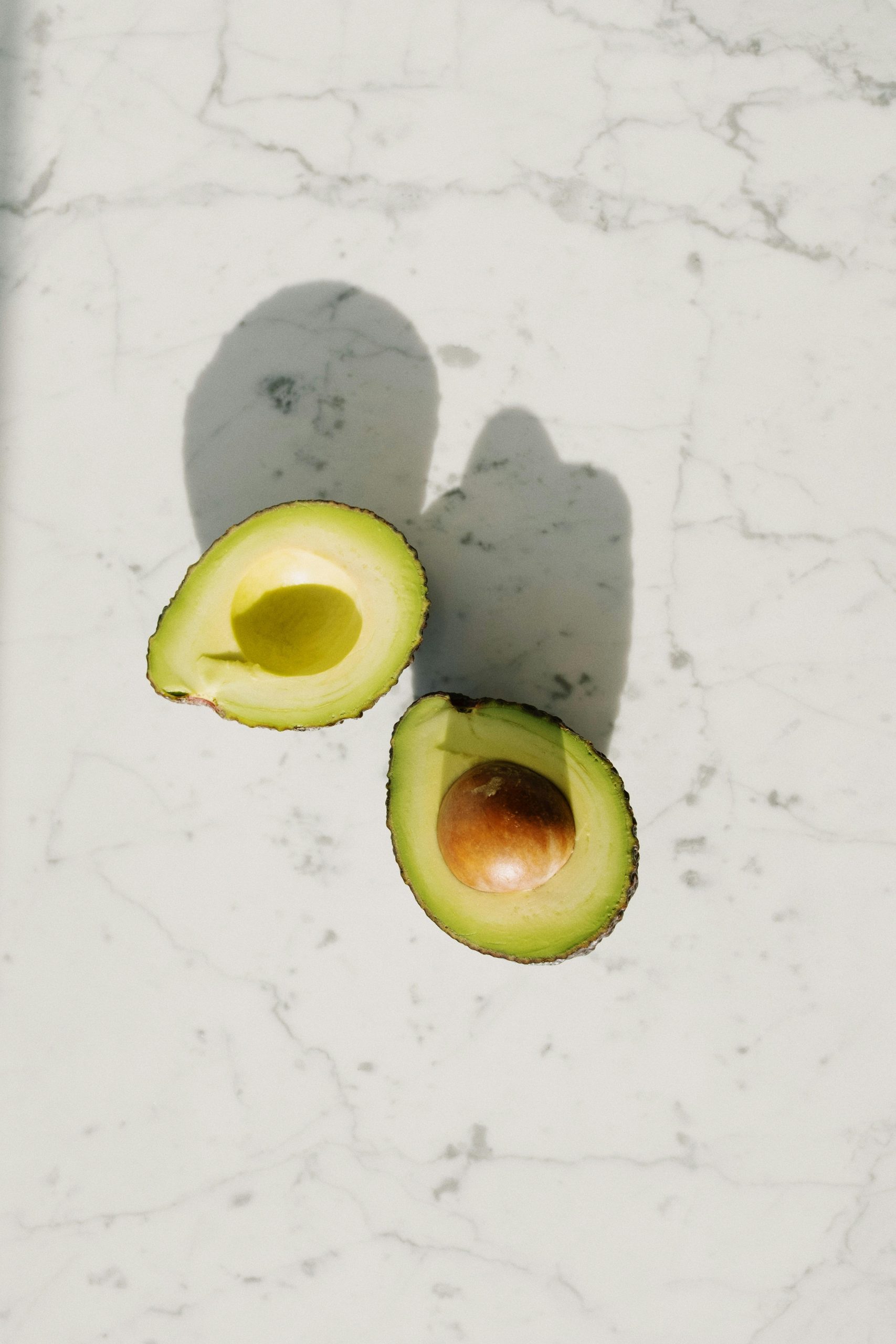
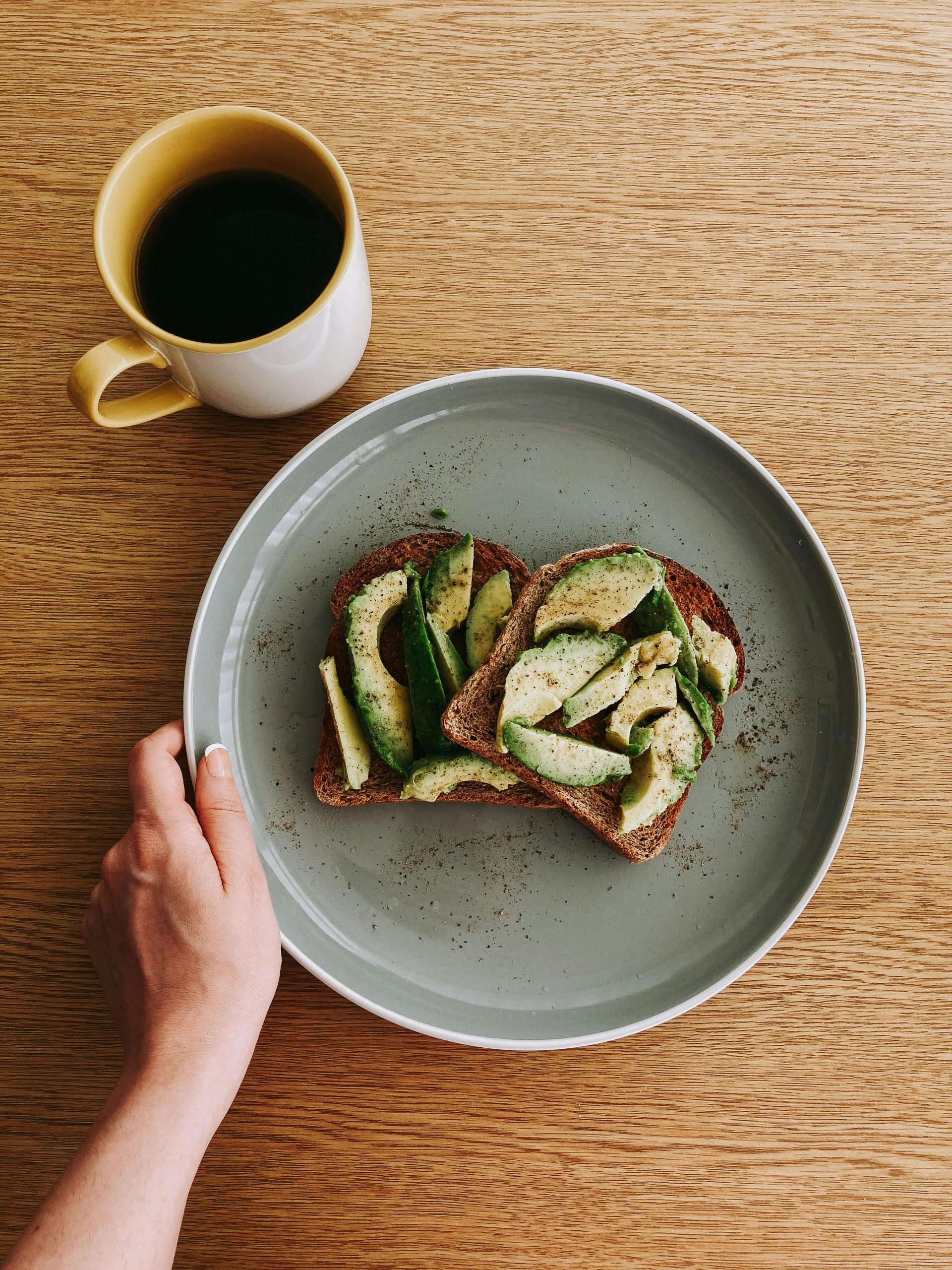
Avocados are another staple piece in the vegan diet that perhaps doesn’t deserve its spot. Sources suggest that it takes 60 gallons of water to produce a single avocado, and the fruits are usually sourced from countries like Mexico that are already struggling with deforestation due to agriculture and food production. Soya beans are another very hot topic when it comes to the environment. Another staple vegan ingredient, soy is found in tofu, vegan “meat”, veggie burgers and milk alternatives. According to the WWF, soy is the second largest agricultural driver of deforestation, coming in right behind beef.
Don’t let this little fact deter you, though. Interestingly enough, only 6% of soy is grown for direct human consumption (a.k.a, the yummy vegan treats listed above). The rest is used to produce fodder for livestock, so the environmental impact of soya production should actually be traced back to meat consumption, and not used as a reason not to go vegan. Also, most of the deforestation that occurs around the world, and particularly in the Amazon, is due to cattle grazing.
The way that food or ingredients are produced isn’t the only thing to keep in mind. There’s also the question of transportation. Vegan or vegetarian diets will more than likely consist heavily of fruits and vegetables. Exotic fruits or produce that isn’t grown natively in the country you’re in, is imported from around the world. The air miles produced by all that transportation will increase your carbon footprint even as a vegan. Of course, nobody is expecting you to not eat fruit and veg, these should always be a key part of your diet, but if you are looking to reduce your footprint as much as you can, then one thing you can do is shop local and seasonally. You’ll get better quality food and no guilt.
via Pexels
The production of any kind of food seems to come with some sort of an environmental cost, at least for now. So don’t go too hard on yourself. At the end of the day, even the vegan “bad guys” that we’ve mentioned above still don’t compare to the damage that meat and dairy production are doing.
If we want to see rapid and effective positive change in our environment, then the ideal would be for everyone to go vegan, or at least as vegan as they possibly can. Reducing animal agriculture doesn’t just cut emissions, it also frees up land currently used for animal grazing or growing animal feed, which could be repurposed for rewilding or regenerative agriculture.
It’s totally understandable if switching to a vegan lifestyle just isn’t feasible for you at the moment. Right now, it’s quite an expensive diet, and because it’s still quite a niche way of living there aren’t many options out there when it comes to eating out or even doing your groceries. This is gradually improving with veganism’s slow but steady rise in popularity, but there are other factors that might prevent you from making the switch.
Personal health issues might stop you, and it’s important to acknowledge that many populations around the world heavily depend on animal agriculture for their livelihoods. Basically, nobody’s going to think you’re evil if you don’t turn vegan. Reducing the amount of animal product you use by any amount is a big help. Try going vegetarian instead, or even pick a few days out of the week where you go “meat-free”. Order soya milk instead of dairy when you get your next coffee. There are so many ways that you can reduce the demand for animal products without committing to a whole diet.
So, to answer the question, yes, a plant-based diet is one of the most impactful lifestyle choices you can make to reduce your environmental footprint. But it’s not the only lever. Reducing food waste, choosing seasonal produce and supporting sustainable farming also really matter.

 100vw, 1176px" />)
 100vw, 2560px" />)
 100vw, 1176px" />)
 100vw, 2560px" />)
 100vw, 766px" />)