Telly 11th May 2026 by Stellar Magazine
Are Studios Becoming Too Reliant On Nostalgia?
With season one of Harry Potter still months away, HBO is already planning what comes next
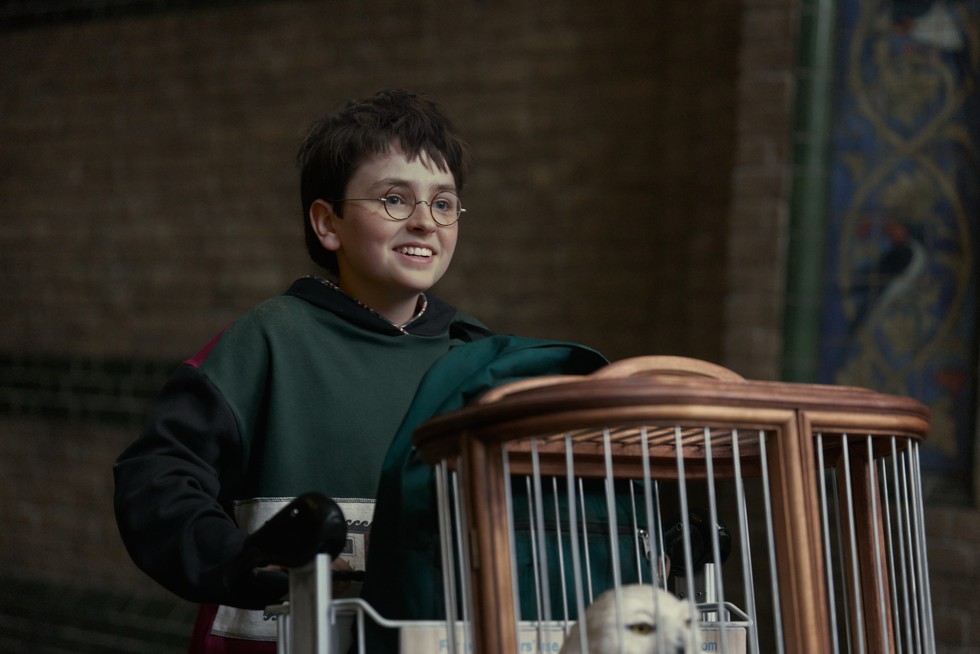
via Aidan Monaghan/HBO
Last week, HBO officially confirmed that its upcoming Harry Potter reboot has already been renewed for a second season, with filming for Harry Potter and the Chamber of Secrets reportedly set to begin this autumn, months before Harry Potter and the Philosopher’s Stone has even made it to screens this Christmas.
This is honestly quite remarkable. With the first season of HBO’s Harry Potter still not scheduled to land until Christmas Day 2026, audiences are yet to view a single episode, critics are yet to discuss their opinions, and the series is very much in production.
Yet HBO is already moving forward as if the success of season one is almost inevitable, which when you consider the success of both Harry Potter and the original Harry Potter film series, it is hard to argue otherwise.
The books sold hundreds of millions of copies worldwide, the films generated billions at the box office, and more than twenty years later the franchise still has a level of cultural relevance that very few stories ever manage to maintain.
Whether that be in studio tours, theme parks, merchandise or the fact most people have imagined themselves in this world and still know exactly what Hogwarts house they belong in, the saga remains one of the most influential and perhaps safest long-term investments in entertainment.
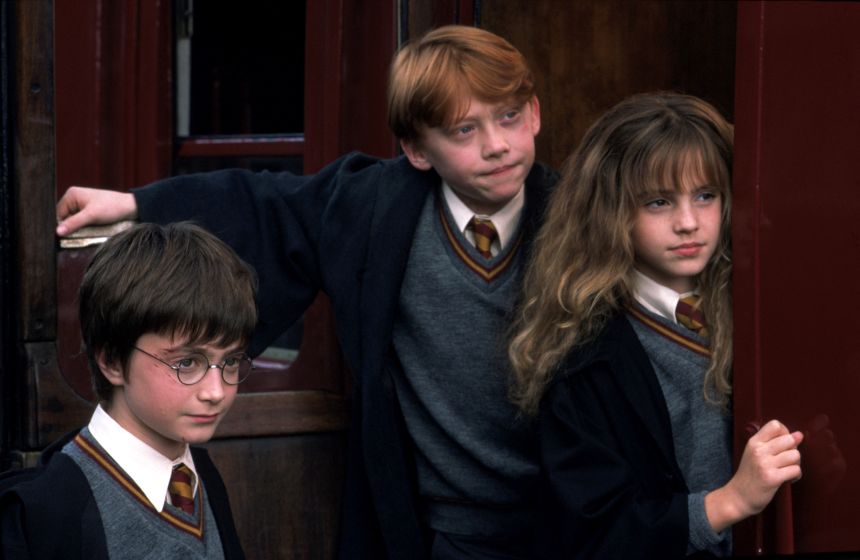
via Warner Bros.
And this is what makes HBO’s early renewal so interesting, because while it says a lot about the network’s confidence in the series, it also raises a much bigger question about how major studios are handling some of the world’s most valuable franchises. Have studios become too reliant on nostalgia driven titles, choosing to invest in stories that audiences are already familiar with and have proven track records of success, rather than taking the risk on an entirely new story?
Looking at Hollywood over the past decade, it is hard not to think that may be the case. Studios have spent extraordinary amounts of money securing the rights to some of the most beloved fantasy and pop culture properties ever created, often assuming that the name alone will guarantee long term success.
On paper this does makes sense. Familiar franchises have audiences that are already emotionally invested in these characters and worlds, giving these projects instant global recognition and, in many cases, suggesting a much safer path to success.
In reality, it is not always that simple.
The Lord of the Rings: The Rings of Power arrived with one of the biggest budgets in television history – over one billion dollars. Yet despite the scale and marketing, it was largely a failure as viewership dropped off significantly, with only 37% of viewers who started the series actually finishing it.
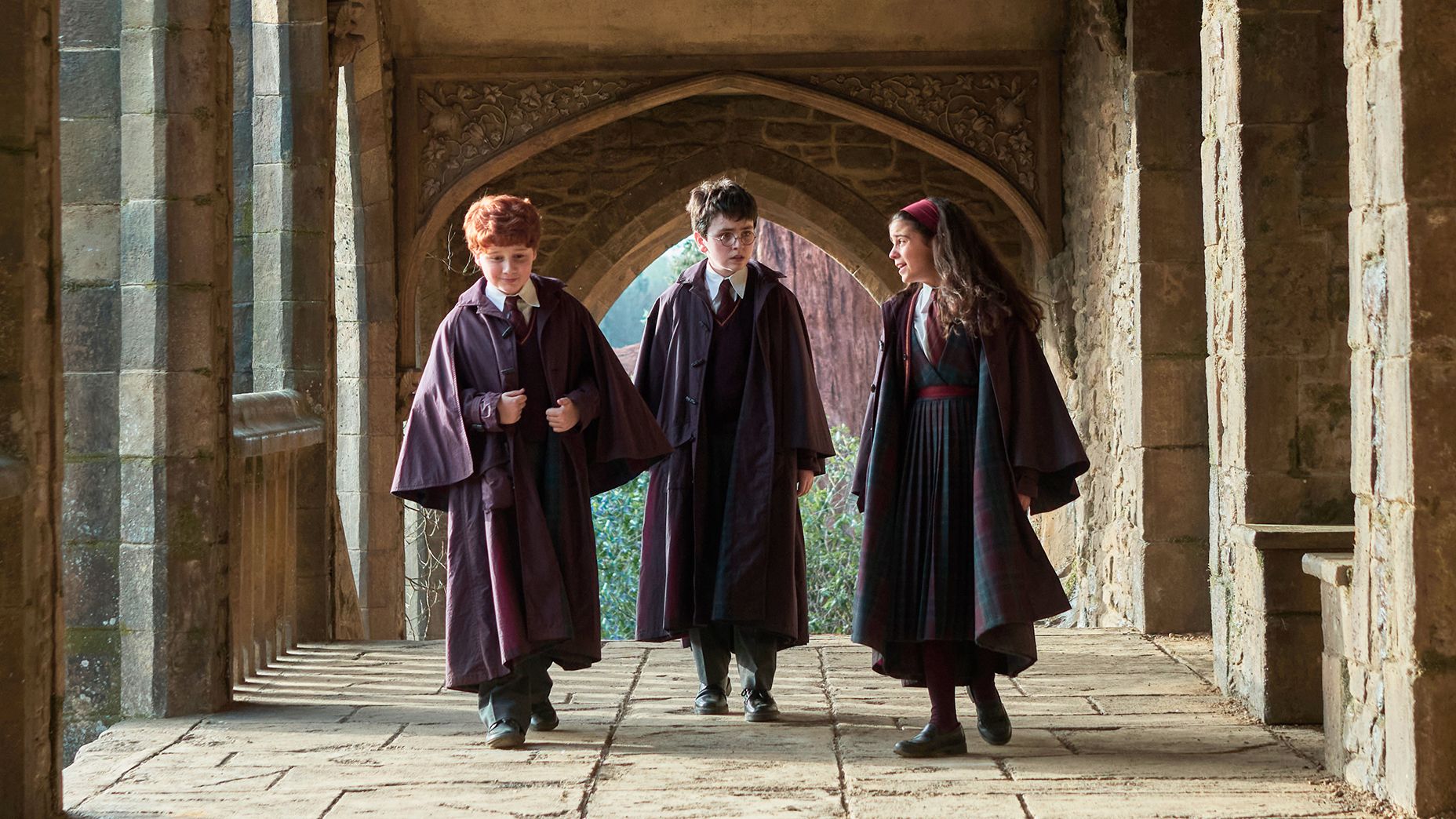
via HBO
Never coming close to capturing the same cultural impact of the books nor the film trilogy before it, Disney’s Star Wars sequel trilogy faced similar criticism, generating decent box office numbers but leaving large parts of the fanbase divided over its long-term direction.
And yet studios still seem to be falling back on the same familiar names. The Chronicles of Narnia is already being brought back for a new generation, proving that when a fantasy world has a few decades of recognition behind it, Hollywood is more than happy to invest.
That seems to be the challenge studios keep running into. Buying the rights to a beloved world is one thing. Understanding why audiences connected with those stories in the first place is something completely different.
And that is where Harry Potter could be different.
Unlike The Rings of Power or the Star Wars sequel trilogy, the studio is not attempting to expand the wizarding world or portray an entirely new story. Rather it is going back to the original source material and adapting the books one season at a time.
For many fans, that may be exactly what they want.
When HBO released the first trailer earlier this year, the reaction was immediate. Third party dislike trackers estimated the teaser had received 316,000 dislikes on YouTube, despite the platform no longer publicly displaying dislike counts. At the same time, HBO confirmed the trailer pulled in over 270 million views in just 48 hours, making it the most viewed trailer in the network’s history.
Whether people love it or hate it or simply questioned whether this reboot was needed at all, they were paying attention. And when dealing with a franchise of this scale that kind of emotional reaction is something most studios simply cannot manufacture.
Audiences are not just judging if the show looks good but also how it stands compared to the successes of its previous adaptations. And whether it will be able to capture the characters, world and the details that made so many people fall in love with the original series.
View this post on Instagram
At the same time, fans have spent years pointing out just how much of the books had to be left behind in the original Harry Potter film series adaptations. A long form television format gives HBO the chance to fix that.
But by greenlighting season two before season one has even aired, HBO is also making one thing very clear. This is not a gamble. It is a long-term investment.
And if it works, it may tell us everything we need to know about where modern entertainment is heading.
Words by Andrew Connolly

 100vw, 1242px" />)
 100vw, 1186px" />)
 100vw, 1920px" />)
 100vw, 1062px" />)
 100vw, 1186px" />)